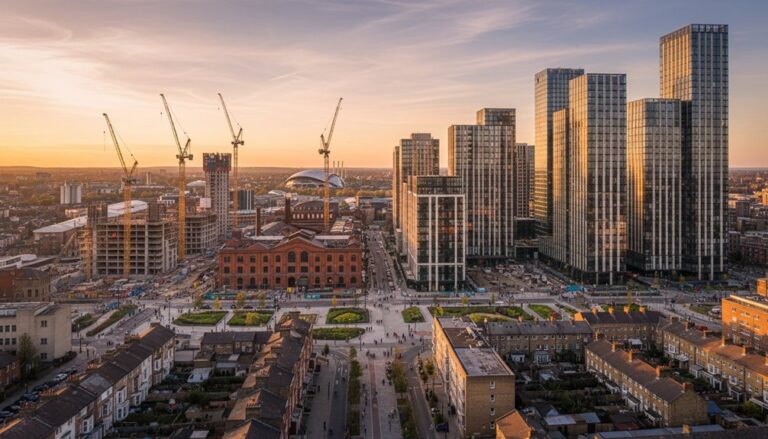
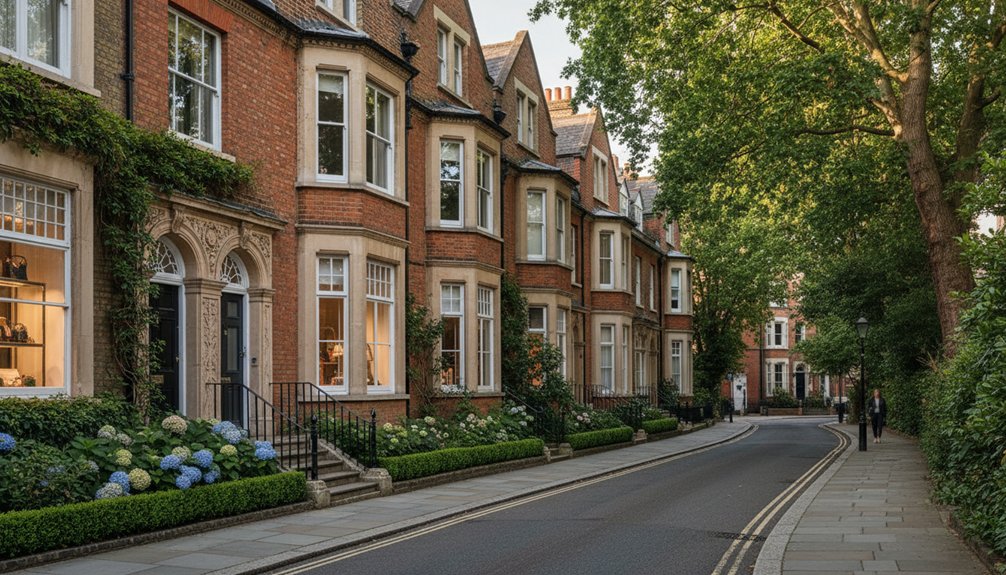
Picture yourself winding through Hampstead’s cobbled lanes, where Georgian terraces, historic cottages, and leafy gardens create a village feel within London. If you value character homes, independent cafés, and quick access to Hampstead Heath, the area deserves serious consideration. However, high prices, limited parking, and varying transport links mean charm comes with compromises. The real question is whether each pocket offers the lifestyle—and property value—you’re seeking.
Key Takeaways
- Hampstead offers distinctive Georgian, Victorian, and cottage-style homes, many featuring period details, gardens, and strong architectural character.
- Its village atmosphere is reinforced by independent shops, cafés, historic lanes, cultural venues, and an active local community.
- Hampstead Heath provides exceptional access to open grassland, woodland, swimming ponds, walking routes, and outdoor community events.
- Excellent transport links connect Hampstead with central London, although steep streets, parking difficulties, and station access may affect convenience.
- High property prices, rents, maintenance costs, and living expenses mean Hampstead suits buyers and renters with substantial budgets.
Is Hampstead a Good Place to Live?
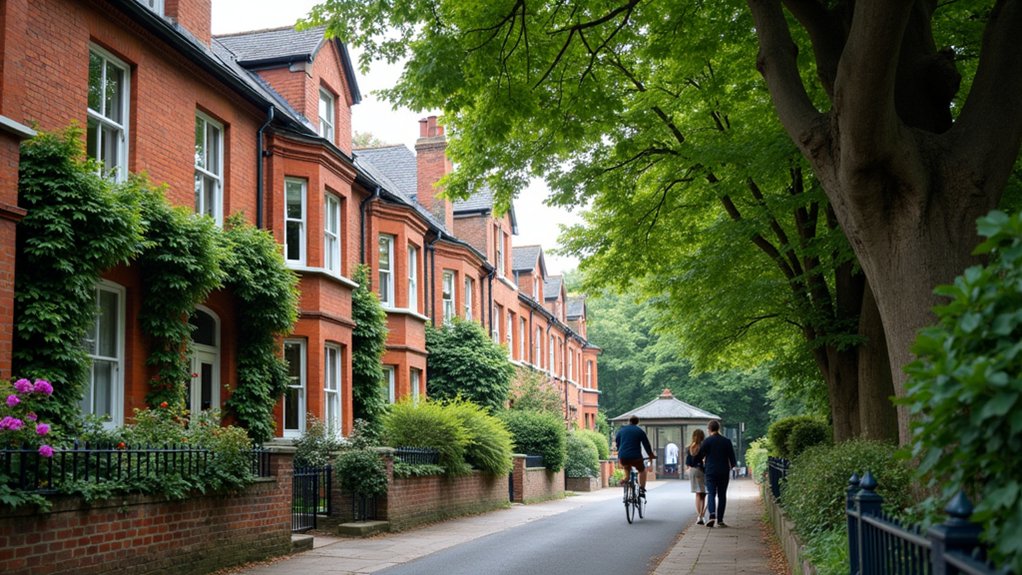
Is Hampstead a good place to live? For many buyers, yes—especially if you value architectural character, green space, and a strong village identity within easy reach of central London. You’ll find period cottages, mansion flats, and substantial family houses, but prices reflect the area’s prestige and limited supply.
Hampstead’s local community remains a genuine attraction: independent businesses, established institutions, and active residents create a distinctive sense of place. Cultural events, galleries, and nearby venues add appeal without defining every aspect of the neighbourhood.
You should still weigh practical factors, including steep asking prices, conservation restrictions, and varying access to transport across the hill. If you prioritise charm and long-term desirability over maximum space or value, Hampstead deserves serious consideration.
Your budget and property expectations will determine whether its advantages justify the premium.
What Is Daily Life Like in Hampstead?
Daily life in Hampstead combines village routines with easy access to London’s wider amenities. You can start mornings with coffee at local cafes, browse independent shops, or walk across Hampstead Heath before commuting from nearby stations and bus routes.
The high street stays lively, yet residential lanes often feel peaceful, particularly outside peak hours.
You’ll find a strong social calendar, from farmers’ markets and talks to seasonal community events at local venues.
Families benefit from parks, schools, sports clubs, and practical services within walking distance, while central London remains readily reachable for work and entertainment.
Costs are higher than in many North London districts, and weekend crowds can test the village atmosphere.
Even so, Hampstead suits you if you value convenience, greenery, culture, and a genuinely established neighbourhood feel.
What Homes Can You Find in Hampstead?
You’ll find Georgian townhouses offering period elegance, Victorian terrace homes with practical family layouts, and modern luxury apartments with refined amenities.
Each style suits a different lifestyle and budget, from character-led living to low-maintenance convenience.
Your choice will depend on space, upkeep, and how closely you want to sit within Hampstead’s village atmosphere.
Georgian Townhouses
Georgian townhouses bring Hampstead’s eighteenth-century character into everyday village living, with elegant brick façades, sash windows, high ceilings, and thoughtfully proportioned rooms. As you explore streets near the Heath and village centre, you’ll find carefully preserved exteriors, discreet modern upgrades, and layouts that suit both entertaining and family life.
Period details such as fireplaces, panelled doors, cornicing, and original staircases give each address a distinctive sense of place. However, listed-building controls can limit alterations, while narrow footprints may require imaginative design.
Prices reflect rarity, condition, outdoor space, and proximity to Hampstead’s shops, cafés, and transport links. You’ll also benefit from a strong community atmosphere, where local events and independent businesses reinforce the appeal.
For buyers valuing historic architecture, these homes offer enduring character, though maintenance costs deserve close attention.
Victorian Terrace Homes
Victorian terrace homes add a more varied, robust character to Hampstead’s residential streets, often featuring bay windows, patterned brickwork, high ceilings, and compact rear gardens. You’ll find these properties particularly around South End Green, Gospel Oak, and streets near Hampstead Heath.
Their Victorian architecture often combines generous proportions with practical layouts, though some homes need updates to kitchens, bathrooms, wiring, or insulation. Original fireplaces, cornices, timber floors, and staircases can strengthen buyer appeal, provided they’re well maintained.
Prices vary considerably according to condition, outdoor space, parking, and proximity to the village centre or transport links. You should also check conservation-area guidance before planning alterations; Heritage preservation can limit extensions, window replacements, and exterior changes.
For you, terraces offer character and community atmosphere, but less privacy and storage than larger detached houses.
Modern Luxury Apartments
Modern luxury apartments bring a sharper, more contemporary option to Hampstead’s housing mix, particularly around the village centre, South Hill Park, and converted landmark buildings near Hampstead Heath. You’ll find sleek interiors, open-plan kitchens, private balconies, and carefully managed communal spaces, often complemented by luxury amenities such as concierge services, gyms, underground parking, and landscaped gardens.
Modern design appeals if you value convenience, energy efficiency, and ready-to-move-in presentation rather than period detailing. However, supply remains limited, and newly refurbished or purpose-built homes command substantial premiums.
You should also check service charges, lease terms, and whether views or outdoor space justify the asking price. Compared with a Victorian terrace, an apartment can offer easier maintenance and security, though you’ll sacrifice some privacy, floor area, and architectural character.
Which Streets Feel Most Like Hampstead Village?
If you’re looking for the strongest sense of Hampstead village, start around Flask Walk, Holly Hill and Perrin’s Court, where narrow lanes, independent shops and historic façades create a genuinely walkable centre. These charming alleyways reward slow exploration, with cafés, galleries and specialist retailers tucked between period homes.
Church Row adds architectural polish, while Hampstead High Street provides everyday convenience without losing its traditional character. For historic landmarks, look towards Burgh House and the nearby parish church, which anchor the area’s long-established identity.
Holly Hill feels particularly residential, offering handsome Georgian and Victorian houses, though prices reflect its scarcity and prestige. Flask Walk can become busy at weekends, so you’ll want to visit at different times before judging the atmosphere.
Together, these streets offer Hampstead’s clearest village experience.
How Does Hampstead Heath Shape Local Life?
Hampstead Heath gives local life an unusual sense of space, with residents able to reach open grassland, woodland and swimming ponds within minutes of their front doors. You can use the Heath for daily walks, informal picnics, swimming or seasonal outdoor activities, rather than treating it as a weekend destination.
Its paths, viewpoints and wildlife also create a natural meeting point, supporting community events from local runs to charitable gatherings. That access strengthens Hampstead’s village atmosphere and helps explain why buyers often value Heath proximity when comparing character homes.
However, you’ll need to accept busy summer paths, muddy conditions and occasional noise around popular entrances. Homes beside the Heath can command a premium, while streets farther away may offer better value without losing convenient access to open space.
How Well Connected Is Hampstead?
Although Hampstead feels tucked away from central London, it’s well connected by public transport and major roads. You can reach the City and West End via Hampstead Underground station on the Northern line, while Finchley Road and Golders Green provide nearby alternatives.
Several bus routes link you with Camden, Swiss Cottage, Highgate, and surrounding neighbourhoods, giving you useful flexibility for commuting or local errands.
Drivers benefit from direct routes towards the A41 and North Circular, although narrow village streets, weekend demand, and limited parking can slow journeys.
Accessibility options vary: Hampstead station has steep access constraints, so you may prefer step-free connections at Golders Green or other nearby stations.
The area’s transport mix supports strong buyer and tenant appeal, though you should test your specific route before committing to a home.
How Much Does Living in Hampstead Cost?
Living in Hampstead commands premium property prices, reflecting its village character, sought-after schools, and leafy surroundings.
You’ll also need to budget for higher monthly expenses, from dining and transport to household services.
Rental rates vary by property type and location, so you should compare current listings carefully before deciding.
Property Prices
Property prices in Hampstead sit well above the London average, reflecting its village atmosphere, excellent schools, green spaces, and limited supply of period homes. You’ll typically pay a premium for a Georgian terrace, Victorian villa, or carefully restored cottage, particularly near Hampstead Heath, the village centre, or sought-after school catchments.
Larger detached houses command substantial sums, while well-positioned flats offer a more accessible entry point, though rarely a cheap one. Condition, garden space, parking, and architectural detail can shift valuations considerably.
Homes close to historic landmarks and independent shops often attract strong buyer interest, as do properties with luxury amenities such as landscaped gardens or discreet security. You should expect competition for distinctive homes, but negotiate carefully: some listings carry a premium for presentation rather than genuine scarcity.
Local advice remains valuable.
Monthly Living Expenses
Beyond the purchase price, you’ll need to budget carefully for Hampstead’s high day-to-day costs. Council tax varies by property band, while energy, water, broadband, and insurance can add considerably to your monthly outgoings, especially in larger period homes where heating efficiency may be limited.
You’ll also pay a premium for convenience. Groceries, coffee, gym memberships, childcare, and transport generally cost more than in outer London neighbourhoods. Hampstead’s independent shops and restaurants make local cuisine appealing, but regular dining out can quickly stretch your budget.
Cultural events, from theatre visits to gallery exhibitions, offer excellent leisure choices, although tickets and memberships require planning.
Set aside money for maintenance, too: older houses often need ongoing repairs, gardening, and security upgrades. Overall, you’ll enjoy exceptional amenities, but comfortable village-style living demands disciplined monthly budgeting.
Rental Market Rates
How much you’ll pay to rent in Hampstead depends largely on the property’s size, condition, and proximity to the village centre or Hampstead Heath. A well-presented one-bedroom flat typically commands a premium, while larger period houses can reach several thousand pounds monthly.
You’ll often pay more for homes with gardens, parking, original features, or direct Heath access. Historical architecture adds appeal, but it can also mean higher heating, maintenance, and council-tax costs.
Modern apartments may offer better energy efficiency and predictable running expenses, though they don’t always provide the same character.
Expect strong demand, particularly for properties near Hampstead Underground, reputable schools, and independent shops. The Community atmosphere remains a major draw, yet rents fluctuate with season and supply.
Compare total monthly costs, not just the advertised rent, before committing.
Who Is Hampstead Best For?
Hampstead suits buyers who value village character, green space, and a strong sense of community while remaining within easy reach of central London. You’ll find period houses, quiet lanes, and access to Hampstead Heath, making the area particularly appealing if you prioritise lifestyle over maximum floor space.
Families often choose Hampstead for its schools, parks, and welcoming Hampstead community. While professionals appreciate reliable transport links to the West End and City. Downsizers may value the walkable centre, cultural life, and excellent local amenities.
However, steep streets and conservation restrictions can affect convenience and renovation plans. You’ll need a substantial budget: character homes command premiums, and maintenance costs can be significant.
If you want modern space, nightlife, or straightforward development potential, nearby areas may offer better value and flexibility.
Frequently Asked Questions
What Cultural Attractions and Museums Can You Visit Near Hampstead?
You can visit Keats House, Freud Museum, and Hampstead’s charming Historical architecture, then explore Camden’s Local art galleries, Kenwood House, and nearby museums, balancing literary heritage, fine art, and London’s cultural depth.
Are There Farmers’ Markets or Independent Shops in Hampstead?
Yes, you’ll find farmers’ markets offering local produce, alongside independent and artisanal shops around Hampstead Village. Expect quality and character, though prices often reflect affluent surroundings; compare stalls and boutiques for genuine value.
What Schools and Nurseries Serve Families Living in Hampstead?
You’ll find sought-after primaries, secondaries, and nurseries near Hampstead, echoing village-school traditions. Check Local school rankings, catchment boundaries, and Nursery admission processes carefully; demand remains intense, so apply early and compare state, private, and Montessori options.
Are Pets Welcome in Hampstead’s Parks, Cafés, and Local Businesses?
You’ll find Hampstead’s parks generally welcoming dogs, though you must follow leash rules and protect wildlife. Pet friendly policies vary among cafés and shops; check Café accessibility beforehand, as terraces often accommodate pets more readily.
What Planning Restrictions Affect Renovations to Hampstead Character Houses?
You’ll face Historic preservation requirements and renovation regulations, especially for listed homes or conservation areas. Check council consent before altering façades, roofs, windows, or extensions; planners may demand traditional materials, limiting designs, timelines, and budgets.
About the Author