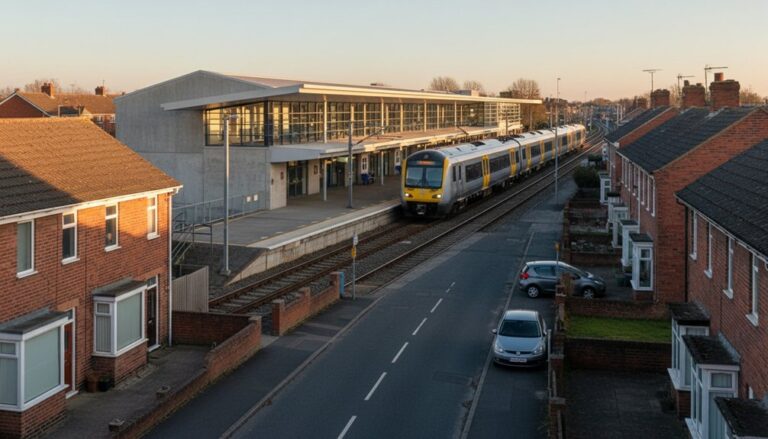

Choosing a home for your family is like laying the first stone of a lasting foundation, and Preston may offer a practical balance of cost, convenience, and community. You’ll find affordable housing, strong schools, green spaces, childcare services, and transport links to Manchester, Liverpool, and Lancashire towns. Yet each neighbourhood differs in safety, amenities, and commuting ease. Before you decide, you’ll need to examine what family life actually costs and which areas best fit your priorities.
Key Takeaways
- Preston offers affordable family living, convenient amenities, and strong connections to Manchester, Liverpool, and Lancaster.
- Families can choose from varied neighborhoods, including suburban Fulwood, riverside Ashton-on-Ribble, and village-like Bamber Bridge.
- Schools, childcare providers, children’s centres, libraries, and health services support children’s education, development, and everyday needs.
- Parks, playgrounds, sports facilities, cultural venues, and community events provide accessible activities for children and parents.
- Families should compare housing, childcare, transport, school admissions, safety, and planned developments before choosing a neighborhood.
Why Do Families Choose Preston?

Families choose Preston for its balance of affordability, amenities, and connectivity. You can reach Manchester, Liverpool, and Lancaster by rail or road, making regional commuting practical while preserving access to a smaller-city environment.
Preston’s compact layout also helps you manage school runs, shopping, healthcare appointments, and leisure without excessive travel.
You’ll find established primary and secondary schools, parks, libraries, sports facilities, and cultural venues across the city and surrounding neighbourhoods. UCLan adds educational resources, public events, and a youthful atmosphere.
Community events, including festivals, markets, and seasonal celebrations, create regular opportunities to meet other residents and build local connections. Meanwhile, cafés, restaurants, and food markets introduce you to varied local cuisine.
These everyday advantages can support your family’s routines, social life, and long-term sense of belonging.
What Does Family Life in Preston Cost?
When you’re evaluating Preston for family life, budget for housing, childcare, transport, food, and activities rather than rent or mortgage payments alone. Compare local property listings and council tax bands, then test affordability against your take-home pay, deposit, utilities, and maintenance.
Childcare often creates the largest variable: request quotes for nursery places, wraparound care, and holiday clubs before committing to a move.
Track weekly supermarket spending and transport costs, including fuel, parking, rail fares, or bus passes. You can reduce pressure by using libraries, parks, sports facilities, and low-cost community events, but retain a realistic allowance for birthdays and school expenses.
If budget constraints are tight, model several scenarios with changing childcare hours, one income, or higher energy bills. A monthly spreadsheet will expose gaps and protect your emergency fund.
Which Preston Areas Suit Families?
To choose the right Preston area, you’ll need to compare recorded safety levels, school performance, and access to parks and everyday amenities.
Neighbourhoods such as Fulwood, Ashton, and Bamber Bridge offer distinct combinations of these family priorities.
Check current local data, school admissions criteria, and travel times before deciding.
Safe Family Neighbourhoods
Preston offers several family-friendly neighbourhoods, with Fulwood, Ashton-on-Ribble and Bamber Bridge standing out for their quieter streets, schools, parks and access to everyday amenities.
When you compare them, check current crime data from Lancashire Constabulary and the government’s neighbourhood crime dashboard rather than relying on reputation alone.
Look for well-lit routes, traffic-calmed roads, visible crossings and regular bus services, then visit at different times to judge noise, parking and pedestrian activity.
Fulwood generally suits families wanting suburban surroundings and nearby green space.
Ashton-on-Ribble offers riverside walks and convenient local connections.
Bamber Bridge provides a village-style setting with practical amenities.
You’ll also gain useful insight by attending community events and asking residents about neighbourhood safety, street maintenance and how quickly local issues receive attention.
Top Local Schools
School choice can make Fulwood, Ashton-on-Ribble and Bamber Bridge particularly appealing to growing families, but you should compare individual catchment areas rather than judging a neighbourhood by reputation.
Check each school’s latest Ofsted report, performance data, admissions criteria and published admission number.
You’ll also need to confirm your address falls within the relevant catchment area; boundaries can change, and living nearby doesn’t guarantee a place.
Compare primary and secondary options together, examining inspection outcomes, progress measures, attendance and SEND provision.
Visit schools during open events and ask about wraparound care, transport and waiting lists.
Look beyond league tables, too: family friendly activities and local community events may help you understand a school’s wider culture.
Contact Lancashire County Council before committing to a property, and verify every claim directly with schools.
Parks And Amenities
When you’re comparing Preston areas for family life, assess parks and everyday amenities alongside housing and schools. Look for safe green space within a 10-minute walk, playground quality, sports facilities, and reliable bus links.
Fulwood offers access to Moor Park, community groups, and shops, while Ashton-on-Ribble provides riverside paths and family-friendly recreation.
Bamber Bridge and Penwortham appeal if you want larger homes near parks, supermarkets, and leisure centres, although you should check commute times.
Preston city centre gives you libraries, markets, museums, and varied local cuisine, but traffic and limited private outdoor space may matter with younger children.
Check each neighbourhood’s council services, GP availability, childcare options, and weekend activity schedules.
Community events can strengthen local connections, so visit at different times before choosing your area and home.
How Good Are Preston’s Schools?
You’ll find Preston schools vary in performance, so compare Ofsted ratings, attainment data and progress measures before choosing an area.
Primary options include community, faith and academy schools, while secondary choices range from all-encompassing to selective-feeling high-performing academies.
Check catchment boundaries, admissions policies and recent results to assess which options fit your family.
School Performance
Preston’s schools deliver solid overall results, with several primary and secondary schools achieving strong Ofsted ratings and exam outcomes that compare favourably with national averages. You’ll find performance varies by school, so check each latest inspection report, Progress 8 score, attainment data, and admissions criteria before deciding where to live.
At secondary level, compare GCSE results, destinations after Year 11, attendance, and subject availability rather than relying on reputation alone. Local sixth forms and colleges add further post-16 choices, with published results helping you judge academic and vocational pathways.
You’ll also want to take into account transport times, catchment boundaries, and places available each year. Beyond grades, ask schools about pastoral support, special educational needs provision, clubs, and links with community events and local healthcare services.
Primary School Options
For primary-age children, Preston offers a broad mix of community, faith and academy schools, but quality and admissions prospects vary by area. You should compare each school’s latest Ofsted report, performance data, attendance figures and published admission criteria rather than relying on reputation.
Check whether priority is given to siblings, distance, faith commitment or catchment boundaries, as these rules can substantially affect your application. Visit schools during open events and ask about phonics, pastoral support, wraparound care and special educational needs provision.
Your preferred school may not be the nearest, so map realistic alternatives before applying. Consider how the wider neighbourhood suits family life too: nearby parks, community events, transport links and local cuisine can make the school run and daily routine more enjoyable.
Always confirm deadlines and required documents with Lancashire County Council.
Secondary Education Choices
When comparing secondary schools in Preston, start with the latest Ofsted judgements, Progress 8 scores, GCSE attainment, attendance and destinations data rather than reputation alone. Check each school’s inspection report, performance tables and published admissions criteria, because outcomes can vary considerably between campuses and year groups.
You should also review subject options, sixth-form pathways, pastoral support, SEND provision and transport times. Visit open evenings, speak with staff and ask current parents specific questions about behaviour, workload and communication.
A school’s wider contribution matters, too: community events can help your child build confidence and friendships, while local sports partnerships may expand activities beyond lessons. Compare catchment boundaries carefully, and confirm deadlines through Lancashire County Council.
What Childcare and Family Services Are Available?
Childcare in Preston includes nurseries, pre-schools, childminders and out-of-school clubs, giving families options for full-time, part-time and term-time care. Compare Childcare options through Ofsted reports, fees, opening hours, funded places and travel distance.
Eligible two-year-olds and all three- and four-year-olds can receive funded early-education hours, although eligibility and provider availability affect your actual costs. You can check Lancashire County Council’s Family Information Network for registered providers, vacancies and guidance on applications.
Family support also comes through children’s centres, health visitors, midwives, libraries and local parent groups. These services can help with breastfeeding, weaning, sleep, speech development, parenting and additional needs.
If your child needs specialist assistance, ask your health visitor or GP about referrals and early-help services. Plan ahead: popular settings may have waiting lists, and you’ll need to confirm funding terms directly with providers.
Where Can Children Play and Explore?
Preston gives families a mix of parks, playgrounds and outdoor spaces for everyday play, with options ranging from local green spaces to larger destinations such as Moor Park, Avenham and Miller Parks, and Haslam Park.
You can choose short visits near home or plan longer outings with space for running, cycling and ball games. Check each site’s facilities before you go: some provide toilets, cafés, sports areas or accessible paths, while others offer quieter nature-focused play.
For younger children, inspect equipment and surfaces before use, and supervise actively; playground safety still depends on age-appropriate equipment, secure gates and clear sightlines.
You’ll also find opportunities for outdoor activities including wildlife spotting, walking and seasonal events. Reviewing council updates helps you identify maintenance work, opening times and local play improvements.
Can Families Manage Without a Car?
Families can manage without a car in Preston, but daily convenience depends on where you live and how well local transport matches your routines. Public transportation includes frequent bus routes, rail connections, and cycling options, helping you reach schools, workplaces, shops, and healthcare services.
Before giving up a vehicle, map your regular journeys, check evening and weekend timetables, and calculate walking distances with a pushchair or tired children. A home near reliable routes can reduce travel costs and simplify school runs.
However, you’ll need backup plans for delays, bulky shopping, extracurricular activities, and rural trips. Car ownership remains useful for flexibility, particularly if you work outside the city or manage complex schedules.
Compare annual insurance, fuel, parking, servicing, and taxi costs against realistic transport fares before deciding what suits your household best.
Is Preston the Right Move for Your Family?
If you’re weighing a move, assess Preston against your family’s actual routines rather than relying on general impressions. Compare commute times, school locations, childcare availability, housing costs, and access to parks before deciding.
Preston offers a broad housing market, from central terraces to newer family homes, while ongoing urban development may improve services and transport but could bring construction disruption. Review local planning applications and regeneration updates for areas you’re considering.
Cultural diversity adds varied communities, food, festivals, and support networks, helping children grow up with wider perspectives.
Visit on weekdays and weekends, test your likely journeys, and speak with residents.
Check Ofsted reports, council services, broadband coverage, and flood-risk maps.
If the numbers fit your budget and routines, Preston could provide practical space without sacrificing connectivity.
Frequently Asked Questions
What Healthcare Facilities Are Available for Children and Families in Preston?
You’ll find local pediatric clinics, family healthcare centers, and Royal Preston Hospital’s children’s services. Essentially, you can access emergency care, maternity support, health visitors, vaccinations, and specialist referrals through Lancashire’s NHS network.
How Safe Is Preston for Families and Children?
You’ll find Preston generally safe for families, though risks vary by neighbourhood. Check police crime maps, review school quality, and inspect local parks. Choose well-lit areas, teach children safety habits, and compare current council data.
What Employment Opportunities Exist for Parents in Preston?
You’ll find opportunities across healthcare, education, manufacturing, retail, logistics, and digital services. Preston’s local job market supports varied careers, while remote work options expand choices. Check Lancashire vacancies, salary data, commuting costs, and childcare availability before deciding.
How Welcoming Are Preston’s Communities to Newcomers?
Preston’s communities generally welcome newcomers through neighbourhood groups, cultural organisations, schools, and volunteering. You’ll find practical newcomer support and community integration opportunities, though experiences vary by area; local councils and charities can help you connect quickly.
What Cultural and Entertainment Activities Can Families Enjoy in Preston?
You won’t confuse Preston with Broadway, but you’ll find practical cultural variety: museums, cinemas, theatres, libraries, Local parks, and seasonal family festivals. Affordable venues, regular events, and accessible transport help you plan enjoyable weekends.
About the Author