
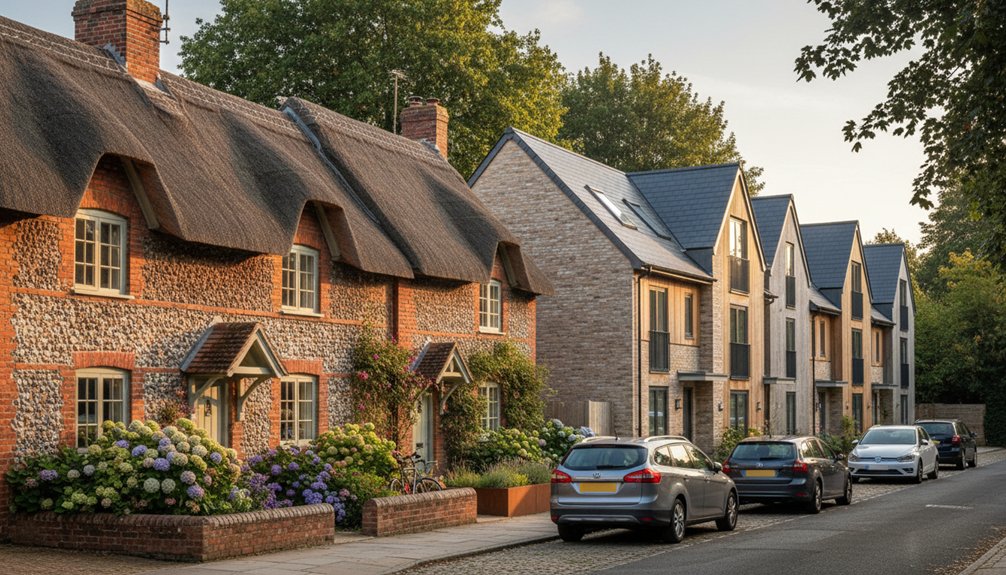
Are Bury St Edmunds properties still a bargain, or has the market already priced in the town’s appeal? You’ll find resilient demand, limited housing supply and strong amenities supporting prices, but value varies sharply by neighbourhood, property type and condition. Moreton Hall, nearby villages and homes needing cosmetic work may offer better opportunities than prime central addresses. Your real return also depends on mortgage rates, renovation costs and future growth—so where should you focus first?
Key Takeaways
- Properties can still offer good value, especially outside the town centre in Moreton Hall, Priors Estate, Westgate, and nearby villages such as Fornham.
- Prices range from approximately £160,000 for entry-level flats to over £500,000 for detached family homes, depending on condition and location.
- Limited housing supply, resilient employment, good schools, and strong transport links support demand and potential long-term capital growth.
- Buyers should calculate stamp duty, mortgage costs, maintenance, energy bills, service charges, and renovation expenses before judging affordability.
- The best value comes from comparing recent sold prices, rental yields, property condition, and local demand rather than relying solely on asking prices.
Are Bury St Edmunds Homes Good Value?
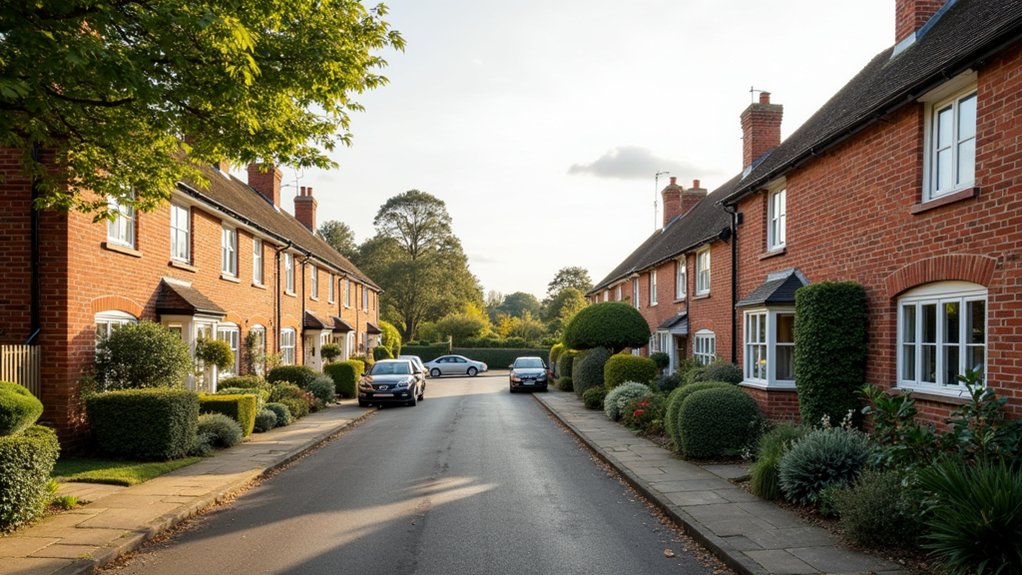
Bury St Edmunds homes can offer good value when you compare price, space and location rather than focusing on headline figures alone. You’ll find a broad mix, from period properties near the Abbey Gardens to modern family houses on well-connected developments.
That variety lets you prioritise what matters: a manageable commute, outdoor space, energy efficiency or room to grow. Historic architecture can add character and long-term appeal, while newer homes may deliver lower maintenance and better insulation.
Local amenities strengthen the value equation, including reputable schools, independent shops, healthcare and rail connections to Cambridge and London. Luxury amenities aren’t essential for a sound purchase, but properties offering parking, landscaped grounds or upgraded interiors can attract stronger buyer interest.
Assess each home against comparable sales, condition and future demand before deciding.
What Do Homes Cost in Bury St Edmunds?
Property prices in Bury St Edmunds vary considerably by location, property type and condition, with period homes near the town centre and Abbey Gardens typically commanding a premium.
Recent market evidence suggests entry-level flats often start around £160,000, while modern two-bedroom homes commonly reach £250,000–£325,000.
Family houses can range from approximately £350,000 to over £600,000, depending on size, specification and plot.
You’ll also need to budget for stamp duty, surveys, conveyancing and ongoing Property taxes, including council tax.
Mortgage rates, energy performance and maintenance costs can materially affect affordability, so compare total monthly outgoings rather than headline prices alone.
Neighborhood amenities, schools, transport links and local employment access also influence demand and resale prospects.
A reputable local agent can provide the latest comparable sales before you make an offer.
Which Bury St Edmunds Areas Offer Best Value?
For stronger value, look beyond the premium town-centre and Abbey Gardens addresses to areas such as Moreton Hall, Priors Estate and parts of Westgate, where you’ll often find more space for your budget while retaining access to schools, shops and transport links.
Compare sold prices, not just asking prices, and check how quickly comparable homes have found buyers.
Moreton Hall can suit you if you prioritise modern amenities, green space and practical commuting routes.
Priors Estate often offers established community infrastructure and consistent buyer demand.
Westgate may provide a useful middle ground, with proximity to the centre without the full premium attached to historic districts.
You’ll pay more for period character or luxury apartments in prime locations, so assess whether those features justify the difference.
Local agent evidence can reveal overlooked streets and stronger negotiating opportunities.
How Much Do Different Property Types Cost?
You’ll find that average prices in Bury St Edmunds vary sharply by property type, with flats typically offering the lowest entry point.
Terraced homes sit higher, while detached houses command a substantial premium for space and land.
Comparing these figures helps you match your budget to the local market.
Average Prices by Property Type
Prices vary markedly by property type in Bury St Edmunds: flats typically offer the lowest entry point, while terraced and semi-detached homes sit higher, and detached houses command the strongest premiums.
Recent local market evidence places typical flats around £190,000–£240,000, with terraces commonly reaching £260,000–£310,000. Semi-detached properties often sit near £330,000–£390,000, while detached homes can exceed £500,000, depending on plot size, condition, and neighbourhood.
You’ll pay more for period character, strong school catchments, parking, and walkable access to the town centre. Conversely, leasehold charges, renovation needs, and weaker energy efficiency can reduce a flat’s effective value.
Luxury apartments occupy a distinct upper tier, while countryside estates command prices shaped by land, privacy, and outbuildings.
Compare like-for-like properties before judging whether today’s asking price represents genuine value.
Flats, Terraces, and Detached Homes
Property type remains the clearest starting point when comparing homes in Bury St Edmunds. Flats typically offer the lowest entry price, making them attractive if you prioritise affordability, lower maintenance, or a central location. However, service charges can affect your monthly costs, so check lease terms carefully.
Terraced houses usually sit in the middle of the market. You’ll gain more space and private outdoor areas than with most flats, while remaining closer to town amenities and transport links.
Detached homes command the highest prices, reflecting larger plots, parking, and stronger family appeal. They often provide better long-term flexibility, though your budget must cover higher maintenance.
Local character also influences value. Historic cottages can attract premiums for period features, while Luxury apartments may command more for superior specifications, views, and secure facilities. Compare total costs, not asking prices alone.
What Do Buyers Get for Their Money?
While budgets vary, buyers in Bury St Edmunds can generally expect more space and outdoor area than in Cambridge or London, with period cottages, Victorian terraces, modern estates and detached family homes all represented across the market.
You’ll often find two or three bedrooms, private gardens and parking at prices that may secure less space elsewhere.
Move closer to the town centre and you’ll pay a premium for walkability, particularly around the Abbey Gardens, Cathedral and independent shops.
However, you can still access historical charm alongside practical layouts and modern insulation.
Higher budgets typically gain access to larger plots, generous reception rooms, garages and luxury amenities such as landscaped gardens, bespoke kitchens and home offices.
Comparing floor area, condition, energy performance and location helps you judge whether each property genuinely offers value.
What Could Your Mortgage Cost?
Your mortgage cost in Bury St Edmunds will depend on the purchase price, deposit, interest rate and loan term, with a typical repayment mortgage also shaped by council tax, insurance and maintenance.
A larger deposit can *release* lower rates, while a longer term reduces monthly payments but increases total interest. Compare representative annual percentage rates, arrangement fees and early-repayment charges rather than focusing solely on the headline rate.
Local prices vary *considerably* between the town centre, modern developments and surrounding villages, so calculate affordability against the specific property you’re considering.
Budget for Property taxes, conveyancing and valuation costs at purchase, then allow for Home insurance, repairs and regular maintenance.
A mortgage adviser can model fixed and tracker options, helping you stress-test payments if rates rise before you commit to an offer.
Are Bury St Edmunds Homes a Good Investment?
You’ll find Bury St Edmunds’ strong tenant base, supported by local employment, education and transport links, can underpin rental demand.
Assess achievable yields alongside vacancy rates, maintenance costs and mortgage expenses before committing.
For long-term growth, you should weigh recent price trends against planned infrastructure, limited supply and the town’s wider regional appeal.
Rental Demand Outlook
Bury St Edmunds offers a credible rental-demand outlook, supported by its historic town centre, strong local employment base and links to Cambridge, Ipswich and London. If you’re evaluating an investment, focus on tenant depth rather than headline asking rents.
Young professionals, hospital staff, students and relocating families create varied demand, while limited central stock can support occupancy.
Properties near the town centre, West Suffolk Hospital and rail station typically appeal to tenants prioritising convenience.
Period homes benefit from historical significance, whereas well-finished apartments can attract renters seeking luxury amenities, including secure parking, balconies and efficient heating.
Compare achieved rents, void periods and gross yields across neighbourhoods, not just agent forecasts.
You’ll also need to budget for compliance, maintenance and letting fees.
Local rental evidence will help you price competitively and protect cash flow.
Long-Term Growth Potential
Although no property market guarantees capital growth, Bury St Edmunds offers credible long-term potential through constrained housing supply, a resilient employment base and continued connectivity with Cambridge, Ipswich and London.
You’ll find that historic homes, good schools and strong amenities support enduring buyer demand, while newer developments broaden choice without eliminating scarcity in desirable neighbourhoods.
Current Market trends suggest well-presented, energy-efficient properties should outperform stock needing substantial investment. However, you’ll need to assess purchase price, lease terms, maintenance costs and local comparables rather than rely on headline forecasts.
Economic forecasts remain sensitive to interest rates, inflation and employment conditions, so annual growth won’t be linear.
For a long-term investment, target transport-accessible homes with rental appeal and limited competing supply.
Professional valuation, realistic yields and a ten-year horizon can help you judge value more objectively.
Which Buying Costs Affect Overall Value?
Buying costs can materially change the overall value of properties in Bury St Edmunds, so compare more than the asking price.
Stamp Duty Land Tax can add substantially to your upfront budget, particularly if you’re buying an additional property or moving into a higher price band.
You’ll also need to allow for conveyancing, searches, surveys, mortgage arrangement fees and removals.
Older period homes near the town centre may carry higher insurance, maintenance and energy costs, while renovation opportunities can demand immediate capital for roofs, wiring or insulation.
Check service charges on apartments and factor in council tax, especially where bands differ across nearby neighbourhoods.
Market trends may influence resale value, but your true cost per square metre depends on these recurring and one-off expenses.
A detailed budget helps you judge whether a property genuinely represents value.
How Can You Find Better Value Homes?
To find better value homes in Bury St Edmunds, compare recent sold prices with current listings rather than relying on asking prices alone. Land Registry data and local agent reports can reveal whether a property’s asking price reflects genuine demand or optimistic marketing.
Check comparable homes by street, floor area, condition and tenure, then adjust for extras such as parking, gardens and energy efficiency.
You’ll often find value by widening your search slightly beyond the town centre. Areas such as Moreton Hall, Fornham and nearby villages may offer stronger price-per-square-metre figures, while requiring different commuting compromises.
Don’t dismiss properties needing cosmetic improvements; calculate renovation costs before negotiating.
For Luxury apartments, examine service charges and resale evidence carefully.
With Historic estates, assess maintenance liabilities, lease terms and restrictions.
A local surveyor or experienced agent can validate your calculations before you bid.
Frequently Asked Questions
How Long Does It Typically Take to Sell a Property in Bury St Edmunds?
You could accept an offer within 8–12 weeks; imagine watching your dream move finally happen. Market trends and property pricing matter: well-priced Bury St Edmunds homes often sell faster, while overpriced listings can linger.
What Schools Are Available Near Properties in Bury St Edmunds?
You’ll find well-regarded primary and secondary schools around Bury St Edmunds, including County Upper School and King Edward VI. Compare school rankings, catchment boundaries, Ofsted reports, transport links, and extracurricular activities before choosing your property.
Are There Good Transport Links From Bury St Edmunds to London?
You’ll find strong Public transit and commuter routes: direct trains reach London Liverpool Street in roughly 90 minutes, typically hourly. Check peak fares, frequency, and disruption history before buying, as convenience can influence local demand.
What Is the Local Rental Demand in Bury St Edmunds?
You’ll find a resilient rental market in Bury St Edmunds, with tenant demand strongest for well-presented homes near the station, town centre, and schools. Limited supply supports rents, though seasonal fluctuations and pricing matter.
Are There Conservation Restrictions Affecting Properties in Bury St Edmunds?
Conservation constraints can curb changes: you’ll face Historic preservation requirements in designated areas, while building regulations govern alterations. Check Bury St Edmunds’ conservation maps, obtain consent early, and budget for specialist materials, delays, and fees.
About the Author