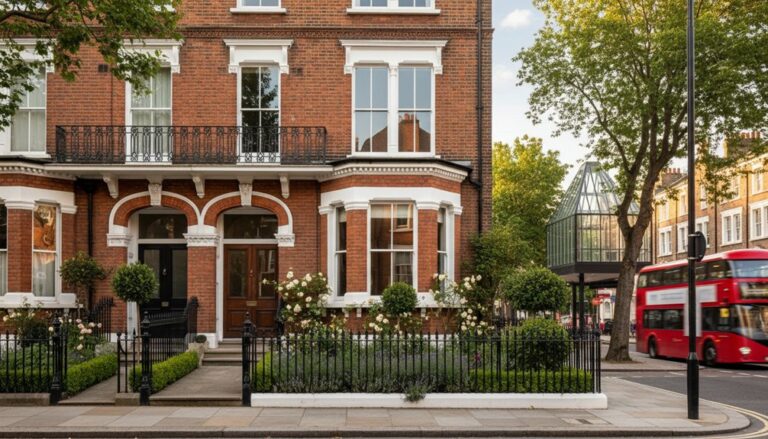
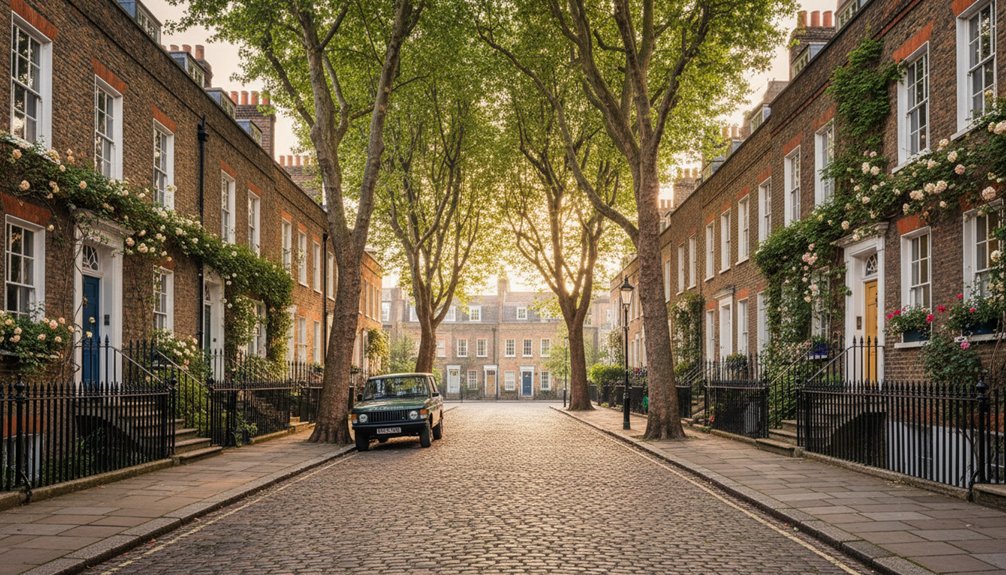
You may not realise that Highgate’s village character is partly protected by conservation rules, which limit redevelopment and help preserve its period homes, lanes, and distinctive streetscape. If you’re considering a purchase, you’ll find more than attractive architecture: strong demand, limited supply, excellent schools, and access to Highgate Wood and the Heath all support its premium pricing. Yet the same protections can restrict alterations, and prices vary sharply by pocket, property type, and condition—so the detail matters.
Key Takeaways
- Highgate commands a property premium through its village atmosphere, period architecture, greenery, and excellent Northern line connectivity.
- Georgian townhouses, Victorian terraces, and cottages offer distinctive character, original features, and varied renovation potential.
- Independent shops, cafés, pubs, schools, community events, and nearby parks create a desirable, walkable lifestyle.
- Conservation restrictions preserve Highgate’s character but can limit extensions, modernisation, and redevelopment opportunities.
- Prices favour properties with gardens, original details, village proximity, and transport access, while investment returns prioritise stability over high yields.
Is Highgate Property Worth the Premium?
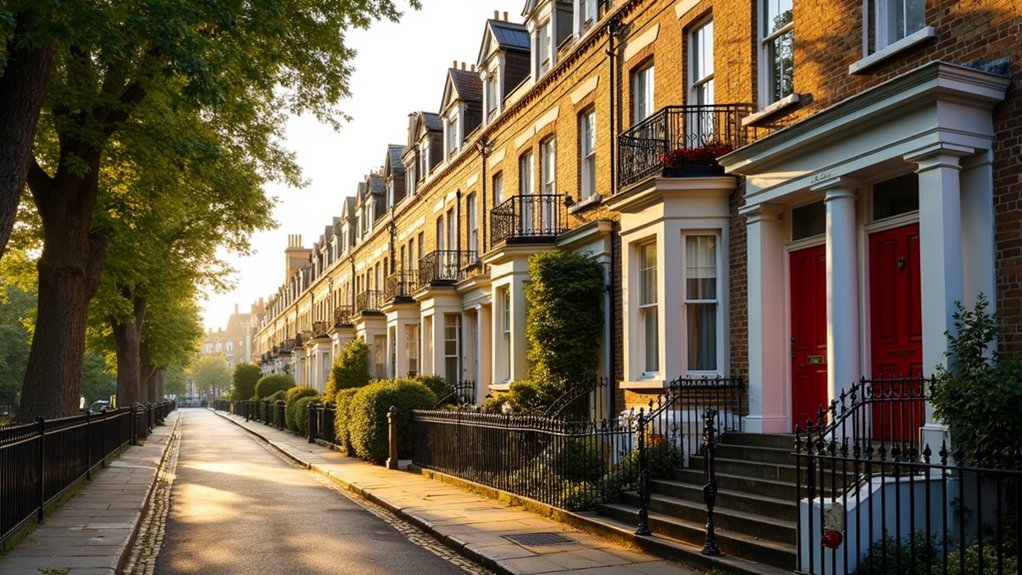
If you value village atmosphere, period architecture, and easy access to central London, Highgate property can justify its premium. You’re paying for more than postcode prestige: well-preserved Georgian homes, Victorian terraces, landscaped conversions, and discreet new-build apartments command strong interest from buyers seeking character without sacrificing connectivity.
Prices vary sharply by street, condition, outside space, and proximity to Highgate Village or the tube, so you’ll need a rigorous comparison of recent sales rather than relying on asking prices. Luxury amenities appear in select developments, but they rarely define the wider market; architectural quality and scarcity usually matter more.
You’ll also benefit from dependable rental demand, though yields can look modest against purchase costs. Cultural events, independent businesses, and excellent schools add resilience, supporting long-term value when you buy carefully and budget realistically.
What Makes Living in Highgate Feel Like a Village?
You’ll find Highgate’s village character in its independent High Street, where cafés, shops and local services create an easy daily rhythm.
Green spaces such as Highgate Wood and Waterlow Park give you room to breathe, while active community life strengthens the area’s appeal.
Together, these features help explain why character homes here command a premium.
Village High Street
Highgate’s village high street centres on a compact stretch of independent shops, cafés, pubs and everyday services, giving daily life a walkable, neighbourly rhythm. You can handle errands on foot, meet friends without travelling into central London, and enjoy the familiarity that makes the area feel settled rather than merely convenient.
Local dining ranges from relaxed cafés to characterful restaurants, while specialist retailers add variety beyond standard chains. Art galleries, antiques shops and long-established businesses contribute cultural texture and help sustain Highgate’s distinctive identity.
For property buyers, this amenity is more than lifestyle appeal: homes within an easy walk of the high street often command a premium, particularly where period architecture, quiet side roads and practical transport connections combine. You’ll notice that convenience here feels personal, curated and enduring.
Green Spaces and Community
Where does Highgate’s village character feel most tangible? Often, it’s in the green spaces that frame daily life. Highgate Wood offers you a substantial natural retreat, while Waterlow Park provides lawns, ponds, and panoramic views towards London. These spaces encourage informal encounters, dog walks, and a stronger connection between neighbours—qualities that distinguish Highgate from a purely urban postcode.
Community events reinforce that identity. You’ll find local fairs, seasonal gatherings, residents’ groups, and independent initiatives creating regular opportunities to meet beyond the front door.
Green initiatives, including conservation projects and community gardening, add practical substance to the area’s environmental appeal. For buyers, this matters: access to nature and an active social fabric can support enduring demand, particularly for character homes near the village centre, parkland, and woodland.
What Types of Character Property Are Available?
You’ll find a varied character-property mix in Highgate, from Victorian terraced homes with original detailing to intimate period cottages.
Georgian townhouses offer greater scale, symmetry and often more formal interiors.
Each style brings distinct maintenance considerations and buyer appeal, so your choice will shape both lifestyle and long-term value.
Victorian Terraced Homes
With their brick façades, bay windows, sash glazing and compact front gardens, Victorian terraced homes bring a distinctive sense of character to Highgate’s residential streets. You’ll find them particularly appealing if you value Victorian architecture, practical layouts and a strong connection to established neighbourhoods.
Many retain original fireplaces, ceiling roses, cornicing and timber floors, although thoughtful renovations often introduce open-plan kitchens, improved insulation and discreet modern services.
Their position along attractive terraced streets can add real market appeal, especially where homes overlook leafy squares or sit near Highgate Village amenities. You should assess width, natural light and rear-garden orientation carefully, as these factors influence both liveability and price.
Some properties also offer loft-conversion potential, subject to planning constraints. Expect a premium for restored period details, balanced proportions and turnkey condition, but compare specification closely before committing.
Period Cottages
Period cottages offer a softer, more intimate form of character than Highgate’s grander villas, often featuring low ceilings, exposed brick, timber beams and irregular layouts shaped by earlier village development. As you view one, look beyond styling: check roof lines, damp management, insulation and whether later alterations respect the original proportions.
Highgate’s cottage stock is limited, so well-maintained examples can attract strong interest, particularly where gardens, quiet lanes or discreet parking add practical value. You’ll often find historic architecture combined with surprisingly adaptable interiors, from compact fireplaces to split-level rooms and carefully planned extensions.
Expect compromises in storage and circulation, yet these homes reward buyers seeking a genuine village atmosphere near excellent transport links. A specialist survey remains essential, especially where listed-building controls or conservation policies may affect future improvements.
Georgian Townhouses
For a more formal expression of Highgate’s heritage, Georgian townhouses bring elegant proportions, sash windows, stuccoed façades and carefully ordered rooms, often arranged over several floors. You’ll find these homes particularly appealing if you value Historical architecture alongside practical London living.
Many retain original staircases, fireplaces and cornices, although thoughtful renovations may introduce open-plan kitchens, underfloor heating and discreet insulation. Their vertical layouts can offer distinct benefits: reception rooms for entertaining, bedrooms above, and lower-ground spaces suited to family life or working from home.
In Highgate, conservation considerations can affect alterations, so you’ll need specialist advice before remodelling. Prices reflect rarity, condition and position, with homes near the village centre commanding a premium. Even so, the village atmosphere, mature streets and transport access support enduring buyer demand.
How Do Highgate Property Prices Compare?
Highgate property prices sit at a premium compared with many neighbouring North London areas, reflecting its village atmosphere, leafy streets, conservation areas and limited supply of character homes. You’ll typically pay more for period detailing, generous proportions, mature gardens and proximity to Highgate Village than for broadly similar space elsewhere.
Historic preservation supports values by protecting architectural character, while tight planning controls restrict substantial new development.
Homes offering Luxury amenities—such as landscaped gardens, private parking, discreet security or thoroughly upgraded interiors—command an additional premium, particularly when improvements respect the building’s original fabric.
Comparing asking prices alone can mislead you: condition, lease length, outdoor space, frontage and exact street position materially affect value. A careful survey and evidence from recent completed sales will give you a more reliable benchmark than headline listings.
Which Parts of Highgate Suit Different Buyers?
Where you choose in Highgate depends on the balance you want between village character, transport access, space and budget. Around Highgate Village, you’ll find period cottages, handsome Georgian homes and a lively setting near independent shops, Cultural festivals and Art galleries. It suits buyers who value atmosphere and architectural detail, though competition can be intense.
If you want larger gardens and a quieter residential feel, explore Holly Lodge Estate or the roads around Highgate West Hill. These areas appeal to families seeking substantial houses, privacy and access to green surroundings.
Apartments near Archway may suit professionals wanting character, comparatively better value and straightforward connections, while Dartmouth Park offers Victorian terraces and a strong community feel. Look closely at individual streets: outlook, conservation restrictions, renovation needs and lease terms can change value considerably within a few minutes’ walk.
How Easy Is Daily Life in Highgate?
Daily life in Highgate feels remarkably convenient, with strong transport links connecting you to central London and beyond. You’ll find useful shops, independent businesses and essential services close at hand.
While respected schools and generous green spaces add lasting appeal. These practical advantages help explain why well-positioned character homes command a premium.
Transport and Connectivity
Although Highgate feels tucked away from central London, residents can reach the City and West End efficiently via Archway and Highgate Underground stations on the Northern line, with regular buses adding useful cross-town connections.
Public transport makes commuting practical, while nearby Gospel Oak and Kentish Town stations broaden your rail access for journeys across north London.
Connectivity options also include straightforward road links towards the North Circular, M1 and central routes, although traffic can lengthen peak-time journeys.
You’ll find the steep, leafy setting means station distance varies considerably by street, so check your walking route before committing to a property.
Period houses closer to the village often command a premium for their atmosphere, while homes nearer Archway may offer better transport value without sacrificing Highgate’s distinctive character.
Local Shops and Services
Highgate makes everyday errands pleasantly walkable, particularly around the village centre, where you’ll find independent grocers, cafés, bakeries, pharmacies and specialist shops close to the residential streets.
You’ll also find useful services, from dry cleaners and salons to restaurants offering dependable options for weekday meals or relaxed entertaining.
Local markets and seasonal stalls add variety, while boutique shopping gives the area a distinctive, less uniform feel than a typical suburban high street.
For buyers, this convenience supports Highgate’s village character and helps explain its enduring premium.
Period properties within easy reach of the centre can command particular attention, although proximity may bring more weekend footfall and limited parking.
You’ll still have larger supermarkets and broader retail choice nearby, making daily life practical without compromising the neighbourhood’s independent identity.
Schools and Green Spaces
For families, Highgate’s appeal extends beyond its independent shops to a strong choice of nearby schools and genuinely accessible green space. You’ll find respected state and independent options within convenient reach, though admissions, catchment boundaries, and daily routes deserve careful checking before you commit to a property.
Local school facilities vary, so inspect each setting rather than relying on reputation alone.
For leisure, Highgate Wood provides a substantial natural escape, while Waterlow Park offers lawns, views, playgrounds, and community events close to the village. Hampstead Heath adds exceptional walking, sport, and open-air space nearby.
That green space accessibility supports everyday wellbeing and helps sustain demand for character homes.
If you’re comparing streets, consider pram-friendly pavements, school-run traffic, and proximity to entrances; these practical details can influence both liveability and resale appeal.
Why Do Families and Professionals Choose Highgate?
With its leafy streets, strong schools, and swift Northern line connections, Highgate appeals to families seeking stability and professionals balancing village character with an easy commute.
You’ll find period homes, thoughtful conversions, and contemporary apartments, giving different buyers room to match lifestyle with budget.
Families value the settled atmosphere, reputable schools, and practical access to central London, while professionals appreciate local independence without sacrificing connectivity.
Community events help neighbours build genuine ties, from seasonal gatherings to village-led initiatives.
Local cuisine adds another layer of appeal, with independent cafés, restaurants, and specialist shops supporting an enjoyable daily routine.
That combination can underpin resilient demand, particularly for well-maintained homes near the village centre or transport links.
You’ll pay a premium, but character, convenience, and community strengthen long-term desirability.
How Do Parks and Highgate Heath Add Value?
Beyond its village amenities and transport links, Highgate’s green spaces add a valuable lifestyle advantage. You can reach Waterlow Park for landscaped gardens, open lawns, children’s areas and panoramic views towards London. These Park amenities support daily routines, weekend recreation and a stronger sense of community, all of which can enhance a home’s appeal to buyers and tenants.
Highgate Heath offers a wilder setting, with woodland paths, open habitats and quiet places to walk. Its protected character reflects long-term Heath conservation, limiting overdevelopment and helping preserve the area’s distinctive atmosphere.
For you as a purchaser, that permanence matters: proximity to valued green space can strengthen desirability and underpin property values, particularly for houses with gardens, views or direct access. Local agents often find that buyers willingly pay a premium for this combination of village character and everyday access to nature.
What Are the Main Drawbacks of Living in Highgate?
Highgate’s advantages come with higher costs and a few practical compromises. You’ll generally pay a premium for period architecture, leafy streets, and proximity to Highgate Heath.
While older homes can bring conservation restrictions, complex maintenance, and limited parking. Narrow roads and busy junctions may make driving frustrating, particularly near the village centre and school-run hours.
Public transport serves the area well, but steep streets and uneven pavements can challenge daily mobility.
Noise levels vary sharply: a quiet Georgian terrace may sit close to a lively pub, traffic route, or delivery access.
Community events add character, yet they can temporarily increase congestion and visitor activity.
You’ll also find fewer mainstream shops and late-night amenities than in central neighbourhoods, so convenience depends on your exact address and willingness to travel.
Is Highgate Right for Buyers or Investors?
Whether you’re buying a home or evaluating an investment, Highgate suits people who value long-term character over maximum yield. As an owner-occupier, you’ll find leafy streets, strong local schools, village shops, and quick Northern Line access supporting everyday appeal.
Period terraces, converted villas, and carefully designed apartments offer distinctive layouts, though maintenance, conservation restrictions, and limited parking can affect your budget.
For investors, Highgate’s Investment potential rests on resilient demand from professionals, families, and international buyers rather than dramatic rental returns. Properties with gardens, original features, outdoor space, or discreet Luxury amenities typically attract stronger interest, especially near the village and transport links.
You’ll need to assess service charges, refurbishment costs, and achievable rent carefully. Highgate suits buyers seeking quality and stability; investors prioritising maximum yield may find better opportunities elsewhere.
Local guidance remains valuable when comparing streets and property types.
Frequently Asked Questions
Are There Conservation Restrictions on Renovating Highgate Character Properties?
Yes, you’ll face conservation restrictions when renovating Highgate character properties. Check heritage preservation rules and renovation guidelines first; listed buildings, conservation areas, and protected facades may require consent, limiting alterations, materials, windows, extensions, and landscaping.
What Schools Serve Highgate, and How Competitive Are Admissions?
You’ll find Highgate School, Highgate Junior School, Channing, and nearby state options, including La Sainte Union. Admissions are highly competitive, with selective assessments, oversubscription, and catchment rules influencing access, alongside excellent Local amenities and transportation links.
How Much Council Tax Do Highgate Homeowners Typically Pay?
You’ll typically pay £2,000–£3,500 annually, depending on your property’s valuation band; premium homes can exceed this. Local amenities don’t determine charges, though they influence prices, making accurate band checks essential before buying.
Is Parking Readily Available for Residents and Visitors in Highgate?
Parking availability in Highgate varies: you’ll find controlled on-street bays, limited unrestricted spaces, and occasional private driveways. Resident parking schemes help homeowners, but visitors need permits or patience, particularly around the village and during peak periods.
What Architectural Features Should Buyers Inspect in Older Highgate Homes?
Like opening a treasured book, inspect Historic facades for cracking, altered brickwork, and damp. Check Vintage fixtures, sash windows, rooflines, extensions, wiring, plumbing, and conservation restrictions; you’ll uncover restoration costs before committing to Highgate’s character.
About the Author