
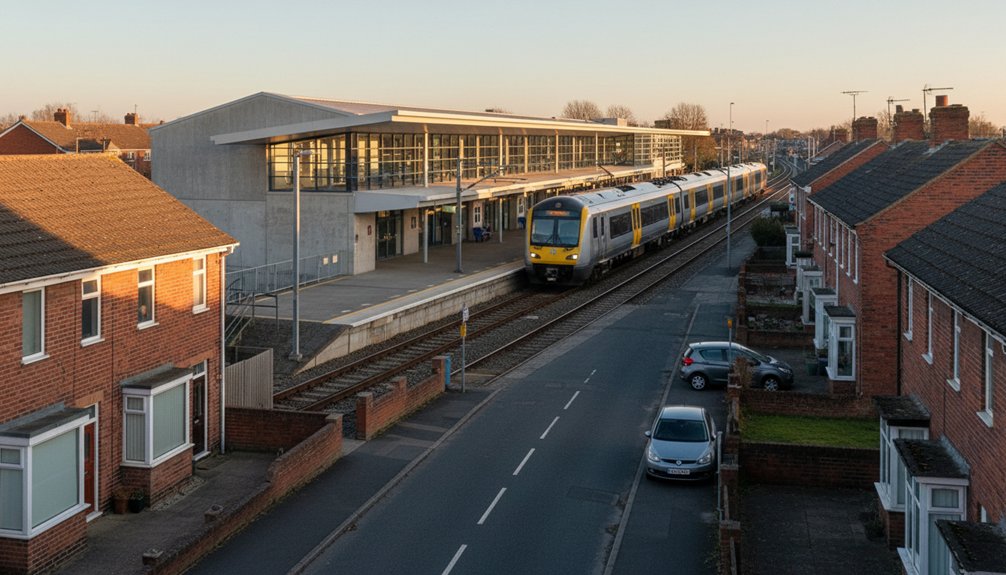
Dartford’s London trains typically take around 30–45 minutes, while property prices remain below those in nearby Sevenoaks and Bromley. That combination gives you more space without sacrificing access to central London, although Ebbsfleet can offer faster services in some cases. You’ll also need to weigh fares, station access, and local amenities before deciding whether Dartford truly delivers the best overall value.
Key Takeaways
- Dartford often offers lower property prices than Bexley, Sevenoaks, Bromley, and Ebbsfleet while retaining strong London connections.
- Trains typically reach London Bridge in 30–40 minutes, making Dartford practical for City and South London commuters.
- Ebbsfleet is faster to St Pancras, while Bexley offers quicker access but usually commands higher property prices.
- Gravesend is cheaper but generally involves longer 45–55-minute journeys, potentially reducing savings for daily commuters.
- Dartford is strongest for buyers prioritising space and affordability, especially hybrid workers, rather than West London commuters.
What Does Dartford Affordability Include?
Dartford affordability includes more than the purchase price: you’ll need to account for mortgage payments, council tax, utilities, insurance, maintenance, and commuting costs.
Start by calculating your monthly housing payment at a realistic interest rate, then add council tax based on the property’s band. Obtain energy estimates, review buildings or contents insurance quotes, and set aside a maintenance reserve for repairs and replacements.
Your commute also deserves a precise budget: compare rail fares, parking, fuel, vehicle servicing, and occasional delays. Cost savings may arise when you choose a smaller home, walk to local services, or combine rail and cycling.
However, lifestyle benefits can justify higher spending if you value convenient transport, schools, parks, or amenities. Test your budget against rate rises and unexpected costs before committing.
How Do Dartford Property Prices Compare?
Once you’ve estimated the full monthly cost, compare Dartford’s property prices with nearby commuter locations on a like-for-like basis. Use recent Land Registry or major-property-portal data, separating flats, terraces, semidetached homes, and detached houses.
Dartford often undercuts pricier alternatives such as Sevenoaks, Bromley, and parts of Essex, although exact savings depend on property size, condition, and proximity to the station.
You’ll usually find more space for your budget in neighborhoods away from the town centre, while areas near schools and transport links command premiums.
Check sold prices rather than asking prices, and compare service charges, lease lengths, council tax, and likely maintenance.
Affordable neighborhoods can improve value, but lower prices may reflect weaker amenities or resale demand.
For Investment potential, assess rental yields, local development, and long-term buyer demand—not price alone.
How Long Is the Dartford London Commute?
For many commuters, trains from Dartford to London Bridge take roughly 30–40 minutes, while services to Cannon Street or Charing Cross typically take about 35–50 minutes, depending on the route, stopping pattern, and timetable.
You’ll usually find frequent departures, but check live schedules before committing, as engineering works, cancellations, and peak-time crowding can change your journey.
From London Bridge, you can connect quickly across the City and south London; Cannon Street puts you near Bank and Monument, while Charing Cross suits destinations around the West End.
Your total door-to-door time also depends on reaching Dartford station, interchange waits, and the final walk or bus ride.
Public transport remains practical, and nearby Local amenities can reduce extra journeys before or after work.
Test the route at your likely departure time before choosing a home.
How Much Does the Dartford Commute Cost?
Although fares vary by destination, a regular Dartford commuter should budget roughly £10–£20 for an adult peak-day return to central London, with exact prices depending on the station, travel time, and route.
If you travel five days weekly, that’s approximately £50–£100 before discounts, season tickets, or employer support. An annual season ticket can reduce the effective daily cost, but compare its price with your actual working pattern first.
Contactless pay-as-you-go may suit hybrid workers, while Railcards can cut eligible off-peak fares; they generally don’t reduce weekday peak journeys.
Add parking, bus connections, or cycling costs if your home isn’t near the station.
Dartford’s transport infrastructure and local amenities can reduce those last-mile expenses, strengthening the overall value.
Check current fares and caps before budgeting, as prices and policies change.
Which Dartford Trains Are Fastest to London?
Cost is only part of the commute calculation; journey time matters too. From Dartford, Southeastern trains reach London Bridge in roughly 30–40 minutes, depending on stops and the service pattern. Some peak trains run faster, while stopping services take longer, so check the timetable for your departure time rather than relying on an average.
You can also reach Charing Cross, Cannon Street, and Victoria with changes or direct services on selected schedules. London Bridge usually offers the quickest central-London arrival, making it a strong choice for many daily commuters.
Train speed isn’t the only measure: reliability, frequency, platform access, and crowding affect your actual routine. For commuter convenience, compare door-to-door time, not just the advertised rail journey.
Allow extra minutes during peak periods, engineering works, and disruptions, and check live updates before travelling.
Dartford Vs Ebbsfleet: Which Offers Better Value?
To compare Dartford and Ebbsfleet fairly, you’ll need to weigh typical property prices against commuting costs and journey times to London.
Dartford offers established amenities and frequent services, while Ebbsfleet may provide newer housing, faster trains, and stronger future-growth potential.
Your best-value choice depends on whether you prioritise lower purchase costs, shorter commutes, or long-term investment prospects.
Property Price Comparison
If you’re comparing value, Dartford generally offers lower entry prices than Ebbsfleet, while still providing strong rail links to London. Typical listings show Dartford apartments and older terraces costing less than comparable new-build homes in Ebbsfleet, although exact prices vary by size, condition, and location.
You’ll often find more space for your budget in Dartford, including larger gardens and established neighbourhoods. Ebbsfleet can justify its premium with modern layouts, energy efficiency, and planned amenities, but service charges and higher specification costs deserve careful checking.
Compare sold prices, not just asking prices, using recent Land Registry data. Consider school quality, renovation needs, and future resale demand alongside headline figures.
Luxury amenities may appeal to you, yet they don’t always translate into better value. Your best choice depends on priorities and budget.
Commuting Costs And Times
Purchase price isn’t the only measure of value: commuting from Dartford or Ebbsfleet can materially affect your monthly budget.
From Dartford, you’ll usually find frequent trains to London, with journey times to London Bridge often around 30 minutes.
Ebbsfleet offers high-speed services to St Pancras in roughly 20 minutes, but fares can cost more, especially without a season-ticket discount.
Compare your actual destination, travel days, and ticket type before deciding.
Public transport may suit you better in Dartford if you value frequency and wider route options; Ebbsfleet can save time when St Pancras is convenient.
Car accessibility differs, too.
Ebbsfleet generally provides easier station parking and motorway access, while Dartford’s location can mean heavier traffic and parking pressure.
Add parking, fuel, tolls, and occasional delays to your calculation.
Your best value depends on time saved, not headline speed alone.
Amenities And Future Growth
Amenities can change how much value you get from either location, not just how much you pay. In Dartford, you’ll find established high-street services, Bluewater nearby, and varied local entertainment, from theatres to restaurants. Its shopping districts and schools already support everyday convenience, while regeneration around the town centre could strengthen demand.
Ebbsfleet offers newer homes, planned parks, community facilities, and quick access to Bluewater and Gravesend. However, some promised amenities remain dependent on development schedules, so you may face fewer independent shops and services today.
Future growth could bring jobs, better transport links, and stronger resale prospects, but it also carries construction and delivery risk. Compare what you’ll use now with credible funded projects, rather than paying a premium for forecasts. Your best value depends on priorities.
Dartford Vs Bexley and Gravesend: Which Wins?
Dartford offers a strong middle ground against Bexley and Gravesend: you’ll typically find better value than in Bexley, while retaining faster London access than Gravesend, with rail fares, journey times, house prices, and local amenities varying by neighbourhood.
From Dartford, trains to London often take around 35–45 minutes; Bexley can be quicker, but usually commands higher prices. Gravesend generally offers cheaper homes, though journeys commonly take 45–55 minutes and may cost more depending on your ticket.
Dartford also gives you practical retail, schools, healthcare, and local nightlife without Bexley’s premium. Gravesend counters with broader space and attractive outdoor activities around the Thames and countryside.
Compare specific stations, season-ticket zones, and property listings rather than relying on borough averages. Your best choice depends on how much you’ll pay for time, space, and convenience.
Which Commuters Get the Best Value in Dartford?
If you’re commuting into London several days a week, Dartford often offers its best value through a balance of journey time, housing costs, and transport access. You’ll benefit most if you work near London Bridge, Cannon Street, or another station on a direct route, because regular rail savings and shorter journeys can outweigh occasional delays.
Dartford also suits buyers and renters who need more space than inner London typically provides, although fares, season tickets, and peak-time reliability should shape your calculation. Hybrid workers may find the strongest deal: commuting fewer days reduces travel costs while preserving access to London’s jobs.
Families can add value through local schools, green spaces, local cuisine, and cultural attractions. However, if you travel daily to West London, compare total costs carefully; longer connections may erase Dartford’s housing advantage.
Frequently Asked Questions
What Schools and Nurseries Are Available for Families in Dartford?
You’ll find primary and secondary schools across Dartford, including academies and grammar options, while nurseries include private settings, children’s centres, and school-based provision. Check local school ratings and nursery availability, admissions rules, and Ofsted reports.
How Safe Is Dartford for Residents and Commuters?
You’ll find Dartford generally manageable for residents and commuters, though safety varies by neighbourhood and time. Check current Crime statistics, transport-area reports, and Community safety initiatives; stay alert around stations, nightlife areas, and quieter streets after dark.
What Amenities and Entertainment Options Does Dartford Offer?
You’ll find local shopping at The Orchard Theatre area and Bluewater nearby, plus gyms, cafés, parks, libraries, and restaurants. Dartford’s nightlife hotspots remain modest, but pubs, live performances, and cinemas provide practical entertainment choices.
Is Parking Readily Available Near Dartford Railway Station?
Yes, you’ll find parking near Dartford Railway Station, but spaces fill quickly during peak hours. Check parking accessibility and station facilities beforehand; comparing nearby car parks, prices, and restrictions helps you plan a smoother commute.
Which Neighbourhoods in Dartford Are Best for Young Professionals?
Choose Central Dartford for station access, cafés, and nightlife hotspots; Wilmington offers quieter streets and parks, while Temple Hill and The Brent provide more Affordable housing. Compare rents, commute times, parking, and local amenities before deciding.
About the Author