

Gillingham sits within the wider Medway market, where buyers can compare town-centre flats, family houses and commuter-friendly homes within a relatively compact area. You’ll find that prices vary sharply between streets, property condition and access to stations, schools and green space. Before you judge value, factor in stamp duty, surveys, mortgage costs and likely improvements. Local demand remains steady, but one overlooked detail could change which neighbourhood suits you best.
Key Takeaways
- Gillingham’s market varies by neighbourhood, with station-adjacent homes attracting commuters and quieter areas appealing more to families.
- Buyers should compare similar properties carefully, considering condition, tenure, service charges, location, and ongoing maintenance—not just floor area.
- Rainham, Hempstead, Wigmore, Twydall, and Parkwood offer different combinations of affordability, schools, amenities, and family appeal.
- Transport links, school admissions, catchment boundaries, peak-time journeys, parking, and planned developments can significantly influence demand and property values.
- Secure finances early, research comparable sales, budget for purchasing costs and repairs, and make a realistic offer supported by proof of funds.
What Is Gillingham’s Housing Market Like Now?
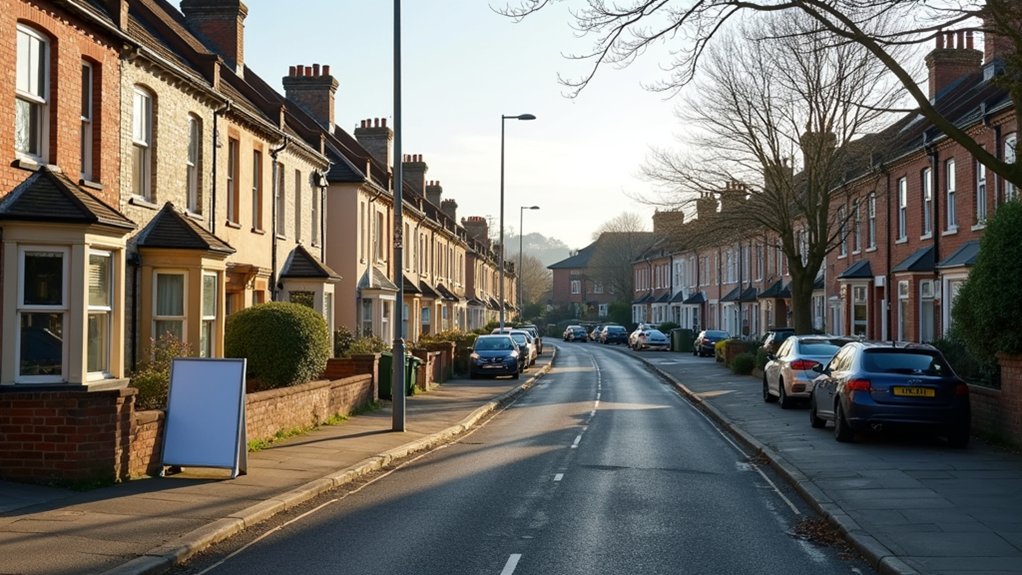
Gillingham’s housing market is varied, with steady demand for well-presented family homes, commuter-friendly properties, and affordable flats. You’ll find buyers competing most strongly for properties offering good transport links, practical layouts, and access to reputable schools.
Local market trends can shift between neighbourhoods, so you shouldn’t judge the whole town from one listing or recent sale. Areas near Gillingham station often attract professionals, while families may focus on quieter streets around Rainham or nearby villages.
Housing supply remains mixed: well-maintained, sensibly marketed homes can attract attention quickly, whereas properties needing substantial improvement may take longer to secure a buyer.
If you’re purchasing, arrange your mortgage early, define your priorities, and view promptly.
Sellers should present each room carefully, price realistically, and respond quickly to serious enquiries.
How Much Do Homes Cost in Gillingham?
Prices in Gillingham vary widely by property type, condition, and neighbourhood, so you’ll need to compare like-for-like homes rather than rely on a town-wide average.
Terraced houses typically sit at the more accessible end of the market, while larger semis, detached properties, and well-presented family homes command higher prices.
Flats can offer different entry points, but service charges and lease terms affect their true cost.
Your budget should also allow for surveys, conveyancing, mortgage fees, and potential improvements.
Ask Gillingham estate agents for recent comparable sales, not just asking prices, and check how long similar properties have remained listed.
Local market trends can shift quickly, influencing sellers’ pricing strategies and your negotiating position.
Get an independent valuation before making an offer, then compare condition, floor area, tenure, and location carefully.
Where Can Different Buyers Find Value?
You’ll find affordable starter homes in areas such as Twydall and Rainham, where buyers can often secure more space for their budget.
For family life, consider Hempstead and Wigmore, which offer good schools, parks, and practical amenities.
If you’re investing, look towards locations with improving transport links and regeneration potential, where rental demand and long-term growth may be stronger.
Affordable Starter Areas
Where can different buyers find value in Gillingham’s property market? If you’re buying your first home, focus on compact terraces and flats around Gillingham town centre, Brompton, and parts of Rainham. These areas often offer more accessible prices than larger properties, while keeping shops, stations, and everyday services close by.
You’ll find the best opportunities by comparing condition, lease length, service charges, and likely improvement costs—not simply the asking price. A property needing cosmetic work could provide stronger value, but check surveys and budgets before committing.
Local estate agents can highlight streets where prices remain competitive and explain how quickly suitable homes sell.
Search beyond polished listings, register with several agents, and prepare your mortgage agreement in principle. By acting promptly, you’ll improve your chances of securing affordable neighborhoods and practical Starter homes that match your budget.
Family-Friendly Neighbourhoods
For families seeking value in Gillingham, look beyond the town centre to Rainham, Hempstead, Wigmore, and parts of Parkwood, where you’ll often find larger homes, gardens, schools, and quieter streets at different price points.
You’ll also find useful differences between these areas. Rainham offers strong transport links and varied housing, while Hempstead and Wigmore appeal if you want more space and easy access to local parks.
Parkwood can suit buyers seeking practical family homes without stretching their budget too far.
Before you offer, walk around at school-run times, check parking, and compare catchment arrangements directly with schools.
Explore nearby shops, play areas, and community events to judge whether the neighbourhood fits your routine.
A local agent can highlight streets offering the best balance of size, condition, and price.
Investment Growth Opportunities
Looking for growth potential in Gillingham means matching your budget and strategy to the right type of property. First-time investors may find value in well-presented flats near the town centre, railway station, and Medway transport links, where tenant demand often supports steady rental income.
If you’ve got a larger budget, consider family homes in established neighbourhoods with good schools, parks, and improving amenities. These properties can offer stronger long-term appreciation, although entry costs and maintenance will be higher.
The local market also rewards careful research. Check rental yields, service charges, planned developments, and comparable sold prices before committing.
Renovation projects can create attractive investment opportunities, but you’ll need accurate building surveys and realistic costings.
Speak with local agents to identify streets showing consistent demand, then choose an asset that suits your timescale, finances, and risk tolerance.
Which Property Types Suit Your Budget?
Your budget will shape whether you focus on flats, terraces or larger family homes across Gillingham.
You’ll often find better value in well-connected areas, while newer developments may offer convenience at a higher price.
Local estate agents can match your finances with realistic property options and advise on likely running costs.
Budget-Friendly Property Options
Which property type suits your budget best depends on Gillingham’s neighbourhood, condition and current demand. If you’re buying in Medway, compare compact flats near the station with older terraces in residential streets.
Flats often provide affordable options for first-time buyers, although service charges can affect their value. Terraced homes may offer more space, gardens and potential to improve, while maisonettes can provide a useful middle ground.
In areas such as Rainham or Hempstead, you might find better value in a property needing cosmetic updates, provided survey results support the asking price.
Budget conscious tips include checking council tax bands, parking arrangements and likely maintenance before viewing seriously. Local agents can explain which property types move quickly and where sellers may accept sensible offers.
Focus on condition and location, not just floor area.
Matching Homes to Finances
Property choice should follow your full monthly budget, not just the asking price. In Gillingham, a flat may offer an accessible entry point, while a terrace could provide more space for a similar outlay. Compare mortgage payments, council tax, insurance, maintenance, and commuting costs before you decide.
A smaller property might suit you better if you value a central location and lower upkeep. Families often find semi-detached homes practical, but you’ll need to budget for gardens, repairs, and potentially higher energy bills.
Local estate agents can explain how property types perform across Gillingham’s neighbourhoods and identify realistic alternatives when your first choice stretches finances. Use virtual tours to shortlist efficiently, then assess condition in person.
Home staging can make rooms appear larger, so measure carefully and picture your own furniture before offering.
How Do Transport Links Affect Demand?
Good transport links can raise demand across Gillingham by making homes more practical for commuters, families and buyers who need convenient access to work, schools and local services. You’ll often find stronger interest near reliable rail connections, regular bus routes and roads linking you with Medway, London and nearby employment centres.
This commuter connectivity can support quicker sales and help well-positioned properties attract competitive offers. However, don’t judge a location by distance alone. Check journey times at peak hours, parking availability, service frequency and likely disruption before you commit.
Transport infrastructure can also affect rental demand, particularly if you’re considering an investment. Ask local agents about buyer activity on specific streets, as demand may vary considerably between areas only a short distance apart.
Consider noise and traffic, too, when comparing homes.
What Should Buyers Know About Gillingham Schools?
Transport is only one part of the decision; schools can also shape demand and prices across Gillingham. When you compare homes, check nearby primary and secondary options, admissions criteria, catchment boundaries, and recent Ofsted reports.
Don’t rely solely on school rankings: they may reflect different intakes, year groups, or exam measures. Contact Medway Council and individual schools for current places, application deadlines, and distance rules, as boundaries can change.
You’ll also want to take into account your child’s needs, including special educational support, pastoral care, sports, music, and other extracurricular activities.
Local agents can explain which streets attract families, but you should verify every detail independently. If schools matter strongly to your purchase, shortlist properties only after confirming realistic admission prospects, then compare value, condition, and commuting time.
How Will New Development Change the Market?
New development can widen Gillingham’s choice of homes while changing demand across established neighbourhoods. You’ll find new apartments and family houses appealing to first-time buyers, commuters, and growing households, potentially easing pressure on older stock.
However, supply won’t affect every area equally. Projects near the station, waterfront, and key transport routes could attract stronger interest, while construction activity may temporarily affect traffic, noise, and local services.
Urban regeneration can also lift an area’s profile by improving public spaces, shops, and connections. As cultural amenities expand, you may see greater demand from buyers seeking a livelier lifestyle close to Rochester and London links.
Compare each development’s location, specification, management arrangements, and build quality rather than relying on glossy marketing. Your Gillingham estate agent can explain how planned phases and competing schemes might influence resale appeal and rental demand.
Which Buying Costs Should You Budget For?
As you compare new developments and established homes, remember to budget for more than the agreed purchase price. In Gillingham, you’ll need funds for your mortgage arrangement, broker, survey, and legal fees.
Your lender may require a Property valuation, while a more detailed homebuyer report or building survey can reveal costly defects.
Stamp Duty Land Tax may apply, depending on the price, whether you’re a first-time buyer, and any property you already own.
Don’t forget removals, insurance, searches, Land Registry charges, and possible service charges on newer estates.
Market trends can affect mortgage rates and affordability, so keep a contingency reserve for repairs, furnishing, or delays.
Ask your conveyancer for a complete estimate early, then check which fees are fixed, variable, or refundable before committing.
How Can You Make a Strong Offer?
To strengthen your offer in Gillingham, you’ll need to prove you’re financially ready with a mortgage agreement in principle and clear proof of funds.
Research comparable local sales, then make a competitive offer that reflects current demand without stretching beyond your budget.
Prove Your Financial Readiness
How can you make your offer stand out in Gillingham’s competitive property market? Prove you’re financially ready before viewing homes seriously. Sellers and agents want confidence that your purchase can progress smoothly, particularly when several buyers appear interested.
Begin with financial planning: calculate your deposit, solicitor’s fees, survey costs, moving expenses, and potential renovations. Keep a clear reserve rather than committing every pound to the purchase. If you need a mortgage, secure an agreement in principle from a reputable lender.
Compare mortgage options carefully, checking rates, arrangement fees, early repayment charges, and how long the offer remains valid.
Prepare evidence of your deposit and identification, and tell your agent about any related sale. A well-organised buyer responds promptly, understands their borrowing position, and reduces uncertainty for everyone involved.
That preparation can make your offer feel dependable.
Make a Competitive Offer
A strong offer in Gillingham should reflect the property’s market value, your financial position, and the seller’s priorities—not simply the highest figure you can afford. Start with a recent Property valuation, comparing similar homes that have sold nearby rather than relying solely on the asking price.
Consider current Market trends: well-presented properties in popular areas may attract competing bids, while homes needing work could offer more negotiating room. Ask the estate agent about interest levels, the seller’s preferred timescale, and whether another offer exists.
Keep your proposal attractive by providing your mortgage agreement in principle, proof of deposit, and a clear chain position. Flexibility on completion dates can strengthen your bid.
Set a firm maximum beforehand, then submit a confident, realistic offer promptly and respond quickly to requests.
When Is a Gillingham Estate Agent Worth Using?
You’ll usually find a Gillingham estate agent worthwhile when local knowledge, reliable valuation advice, and skilled negotiation can save you time or protect your sale price.
If you’re buying, an agent can help you compare streets, identify realistic asking prices, and spot issues before you commit. That matters whether you’re viewing family homes near good transport links, luxury apartments, or properties close to historic landmarks.
You’ll benefit most when the market feels competitive, your needs are specific, or you’re short on time. A local agent may also know about suitable homes before they appear online and can arrange viewings efficiently.
However, check their fees, marketing plan, and recent results first. Choose someone who explains comparable sales clearly, communicates promptly, and understands Gillingham’s neighbourhood-by-neighbourhood differences.
Frequently Asked Questions
What Legal Checks Should Buyers Complete Before Exchanging Contracts?
Before exchanging contracts, verify Title deeds, review survey reports, complete local authority, drainage, environmental, and mortgage searches, confirm boundaries and fixtures, and resolve enquiries. Your solicitor should explain restrictions, liabilities, and completion obligations clearly.
How Long Does the Typical Gillingham Buying Process Take?
Typically, you’ll complete a Gillingham purchase in eight to twelve weeks, though chains can add time. Check neighbourhood amenities, local school ratings, surveys, searches, and mortgage progress early; staying organised keeps everything on track.
What Should Buyers Look for During a Property Viewing?
During a viewing, check structural condition, damp, storage, natural light, parking, and noise. Explore neighborhood amenities, verify local school ratings, test fixtures, and revisit at different times to understand Gillingham’s traffic, atmosphere, and marketability.
How Can Buyers Identify Potential Structural Problems?
You can spot potential structural problems by checking cracks, uneven floors, sticking doors, damp, and bulging walls. Arrange professional roof inspections and surveys to uncover foundation issues before committing, especially in older Gillingham properties.
What Documents Are Needed When Applying for a Mortgage?
You’ll need identification, proof of income, recent bank statements, deposit evidence, and details of existing debts. Lenders use these for credit assessment, while comparing mortgage options helps you secure suitable terms for Gillingham properties.
About the Author


