
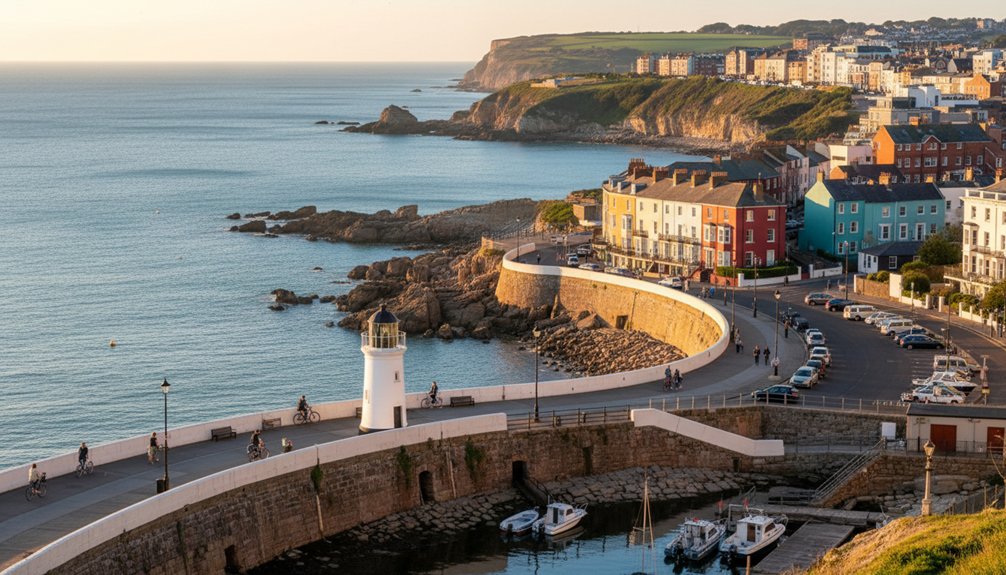
Take a walk along Plymouth’s Barbican, where historic harbour views, independent venues, and waterfront restaurants sit within reach of relatively affordable homes. You’ll find a lower cost base than in many larger coastal cities, plus reliable transport, green spaces, and access to the sea. Yet affordability varies sharply by neighbourhood, and salaries, commuting times, and housing demand can change the equation. So, does Plymouth deliver the right balance for your lifestyle and budget?
Key Takeaways
- Plymouth offers easy access to waterfront walks, beaches, sea swimming, paddleboarding, the South West Coast Path, and Dartmoor.
- Its maritime heritage, The Box, museums, galleries, festivals, and live performances create a strong cultural identity.
- Living costs are generally lower than in larger coastal cities such as Bristol and Brighton, though prices vary considerably.
- Affordable housing is more available in areas such as Efford, Honicknowle, Laira, North Prospect, and parts of Southway.
- Waterfront districts offer premium lifestyles, while families, remote workers, students, and outdoor enthusiasts benefit from varied amenities and connectivity.
Is Plymouth Good Value for Coastal Living?
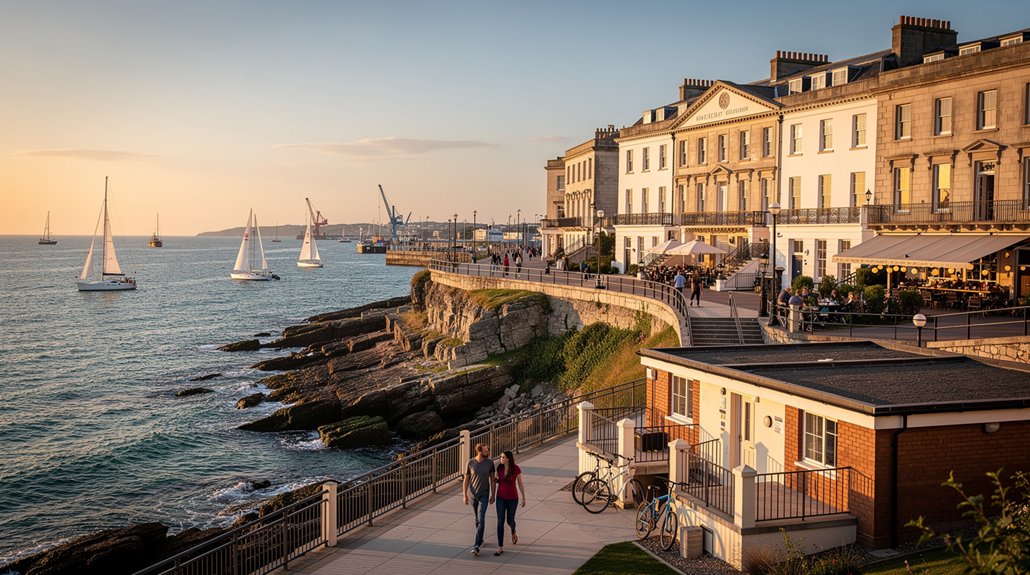
Plymouth offers strong value for coastal living because it combines waterfront access, historic character, and a comparatively manageable cost base, although prices vary considerably by neighbourhood and property type. You’ll find that the city delivers more than a sea view: the Hoe, Barbican, Royal William Yard, and nearby beaches support year-round appeal, while historical landmarks add cultural depth without requiring frequent travel.
Coastal activities, from paddleboarding and sailing to walking the South West Coast Path, are readily accessible and broaden your lifestyle options. Value depends on what you prioritise. Central and waterfront homes command premiums, whereas inland districts can provide better space and transport links.
You should also assess flood exposure, maintenance requirements, parking, and seasonal demand. Overall, Plymouth offers a credible balance of lifestyle quality, amenities, and long-term resilience.
How Much Does It Cost to Live in Plymouth?
Living costs in Plymouth sit below those of many larger UK coastal cities, but your budget will depend heavily on housing, location, and transport needs. Typical rents remain more manageable than in Bristol or Brighton, although demand and limited supply can push prices higher.
You’ll also need to allow for council tax, energy, broadband, and groceries, with household bills varying by property size and efficiency.
Transport costs may stay modest if you use buses, cycle, or walk, while regular commuting by car adds fuel, insurance, parking, and maintenance.
Eating out, leisure, and childcare can materially change your monthly total.
Historic attractions and local festivals offer varied entertainment, but ticketed experiences still require planning.
Compare realistic monthly costs with your income, savings goals, and tolerance for seasonal price changes.
Which Plymouth Areas Fit Your Budget?
Your budget can guide you toward value-focused neighbourhoods with lower purchase prices and everyday costs.
If you prioritise waterfront access and premium amenities, coastal areas typically command higher prices and stronger competition.
Compare recent sale prices, rents, transport links, and local services before choosing where you’ll live.
Budget-Friendly Neighbourhoods
Wondering where your budget stretches furthest in Plymouth? Start with Efford, Honicknowle, and North Prospect, where rents and entry-level purchase prices typically sit below city averages. You’ll generally find more space for your money, though you should compare energy ratings, parking, and commute times before committing.
Laira and parts of Southway can also offer practical value, especially if you prioritise supermarkets, schools, and reliable bus links over waterfront access. For buyers, scrutinise sold-price data rather than relying on asking prices; local streets can vary substantially.
These neighbourhoods still keep you within reach of Historic landmarks, museums, and outdoor activities across the city. However, condition and regeneration plans may affect future costs and resale potential.
Arrange viewings at different times, check council tax bands, and budget for maintenance before making your decision.
Premium Coastal Areas
If you’re targeting Plymouth’s premium coastal areas, focus on waterfront pockets of Royal William Yard, Millbay, the Barbican, and parts of Sutton Harbour, where sea views, period architecture, restaurants, and walkable amenities command a clear price premium.
You’ll typically pay more per square metre here than in inland districts, with renovated apartments and harbour-facing homes attracting the strongest demand.
Royal William Yard delivers luxury amenities, secure developments, dining, and cultural programming, while the Barbican offers character properties and immediate access to the waterfront.
Millbay can provide newer-build value within the premium segment, although construction phases and service charges deserve scrutiny.
Compare lease length, parking, flood exposure, and maintenance costs, not just asking prices.
For lifestyle-led buyers, scenic viewpoints and rental appeal may justify the premium; budget-conscious purchasers should assess nearby alternatives.
Can You Work and Travel Easily From Plymouth?
How easily can you work and travel from Plymouth? You’ll find a practical base for hybrid careers, client meetings, and regional trips. Remote work is increasingly viable, with fibre broadband widely available across the city and coworking options supporting freelancers, startups, and distributed teams. Still, check your exact address and provider before signing a lease; speeds and reliability can vary.
Rail services connect you with Exeter, Bristol, and London, while road links put Devon and Cornwall within reach. Direct flights from nearby Exeter Airport broaden your options, although schedules and fares can be less competitive than at larger airports.
Seasonal tourism can lift hospitality, events, and short-term work, but demand fluctuates. Overall, Plymouth offers strong connectivity for planned travel, yet you’ll need flexible scheduling and realistic transport budgets.
What Does Everyday Coastal Life Look Like?
Daily coastal life in Plymouth combines waterfront access with the routines of a working city. You can reach the Hoe, waterfront paths, and beaches quickly, making Seaside leisure practical rather than occasional.
Morning walks, sea swimming, paddleboarding, and weekend visits to nearby coastal villages fit naturally around work and school. However, waterfront living doesn’t guarantee uninterrupted tranquillity.
Popular areas attract visitors in summer, parking demand rises, and exposed locations can feel windy and damp. You’ll also need to compare property prices, service charges, and flood-risk information before paying a premium for a view.
Local cafés, markets, and community events help keep the experience year-round, while Coastal traditions add familiarity without limiting modern lifestyles.
Does Plymouth’s Maritime History Still Shape the City?
Beyond today’s waterfront lifestyle, Plymouth’s maritime history still shapes how the city works, looks, and markets itself. As you explore the waterfront, you’ll see naval, fishing, and ocean-research links supporting jobs, education, tourism, and investment.
Maritime museums turn that heritage into accessible experiences, while the Barbican and historic dockyard give visitors distinctive reasons to stay longer and spend locally.
Coastal festivals create seasonal demand for accommodation, restaurants, and transport, although their economic impact varies with weather and visitor numbers.
This heritage also strengthens Plymouth’s identity in property marketing, helping differentiate the city from other South West locations.
Yet you shouldn’t mistake history for a complete growth strategy. Maintaining waterfront infrastructure, managing congestion, and widening access remain essential if maritime assets are to benefit residents year-round, not just visitors during peak periods.
What Makes Plymouth’s Arts Scene Stand Out?
Plymouth’s arts scene stands out for combining a strong cultural identity with accessible venues, public events, and creative industries that support the wider economy. As you explore the city, you’ll find Art galleries, museums, studios, and waterfront exhibitions that connect local talent with national networks.
The Box strengthens this offer through free displays, major collections, and year-round programming, helping culture reach more residents and visitors. You can also choose live performances across theatres, concert halls, and smaller independent spaces, with schedules spanning drama, music, dance, and comedy.
That variety gives you options at different price points, although premium events can still stretch a budget. For property buyers and renters, a credible cultural offer adds lifestyle value, supports footfall, and makes Plymouth feel more distinctive beyond its coastal setting.
Where Are Plymouth’s Best Places to Eat?
After a gallery visit or waterfront performance, Plymouth’s food scene gives you plenty of ways to continue the day, from harbour-side seafood restaurants to independent cafés and globally influenced kitchens. The Barbican remains the strongest starting point: you’ll find local seafood, from mussels to catch-of-the-day specials, alongside terraces with waterfront views.
For value, compare lunch menus and early-evening deals, as prices can vary sharply between tourist-facing venues and neighbourhood favourites. Royal William Yard adds polished dining and reliable views, while North Hill and Mutley offer cafés, international food, and more competitive portions.
If you prefer atmosphere over formality, historic pubs serve regional ales and hearty plates. Booking helps at weekends, particularly in summer. Overall, Plymouth rewards you with choice, but checking menus and reviews keeps your budget aligned with quality.
Is Plymouth a Good Choice for Families?
Why can Plymouth work so well for families? You’ll find a practical blend of coastal space, everyday services, and education options without the price pressures of many larger UK cities.
Housing costs vary sharply by neighbourhood, so you’ll need to compare commute times, property condition, and access to parks before deciding.
Community amenities strengthen the case. Plymouth offers libraries, leisure centres, sports facilities, green spaces, healthcare, and family activities, giving you useful support beyond the home.
School quality remains a key variable: several well-regarded primary and secondary schools serve the city, but performance and admissions zones differ. Check recent Ofsted reports, catchment boundaries, and transport routes rather than relying on headline reputations.
You’ll also benefit from a compact urban layout, although peak-time traffic and some regeneration areas warrant careful due diligence when choosing your neighbourhood.
Who Will Enjoy Living in Plymouth Most?
If you value coastal access, a manageable city scale, and relatively attainable housing, you’ll likely find Plymouth appealing—particularly if you’re a family, remote worker, student, or outdoor enthusiast. You can reach beaches, the South West Coast Path, and Dartmoor relatively easily.
The city’s universities support a youthful rental market. Remote workers may benefit from cafés, coworking options, and direct rail links, although broadband quality and commuting times vary by neighbourhood.
You’ll also find local cuisine ranging from seafood to international dining, plus cultural festivals that strengthen the city’s year-round appeal.
However, you should weigh seasonal tourism, limited high-paying industries, and property-price differences between waterfront and outer districts.
If you prioritise urban scale, outdoor access, and lifestyle value over a major-city career market, Plymouth could suit you particularly well.
Frequently Asked Questions
What Is Plymouth’s Weather Like Throughout the Year?
You’ll find Plymouth’s weather mild and changeable year-round: cool, wet winters; breezy springs; moderate summers; and damp autumns. Climate variations shape Seasonal activities, so pack layers, waterproofs, and sunscreen for flexible outdoor plans.
How Good Are Plymouth’s Healthcare Services?
With five hospitals serving the city and region, you’ll find solid healthcare quality, including Derriford Hospital’s specialist services. Medical facilities cover routine and complex needs, though you may face waiting lists and occasional pressure on appointments.
What Schools and Educational Opportunities Are Available in Plymouth?
You’ll find primary, secondary, and grammar schools, plus Plymouth University and City College. School rankings vary, so compare inspection reports, results, and travel times. Educational programs span vocational training, apprenticeships, degrees, and specialist pathways.
Is Plymouth a Safe City for Residents and Visitors?
Yes, you’ll generally find Plymouth safe for residents and visitors. Crime rates vary by area, so check current police data. Prioritize neighborhood safety, remain alert after dark, and follow local guidance around busy nightlife zones.
How Can Newcomers Meet People and Build Community Connections?
With over 260,000 residents, you’ll find plenty of routes into Plymouth’s community. Attend Community events, join social clubs, volunteer locally, or try sports groups; consistent participation builds friendships, though established networks may take time.
About the Author