

You can catch property damage early by inspecting your home regularly and acting on small changes. Look for water stains, musty odors, cracks, peeling paint, warped materials, and unusual drafts or noises. Check ceilings, walls, floors, roofs, gutters, and the foundation, especially after severe weather. Photograph and date anything suspicious so you can track its progress. Some warning signs appear minor but point to hidden problems, and knowing where to look next can help you prevent costly repairs.
Key Takeaways
- Inspect walls, ceilings, floors, windows, roofs, gutters, siding, and foundations regularly for cracks, stains, mold, leaks, warping, or sagging.
- Watch for new odors, drafts, unusual sounds, sticking doors, sloping floors, or utility changes that may reveal hidden damage.
- Mark and date stains or cracks, then recheck them for spreading, widening, softening, or other changes.
- Photograph damage from multiple angles, record inspection details, and preserve receipts and repair histories for comparison.
- Address moisture promptly and contact qualified professionals when damage involves structural, electrical, plumbing, roofing, widespread mold, or unsafe conditions.
Spot Early Signs of Property Damage
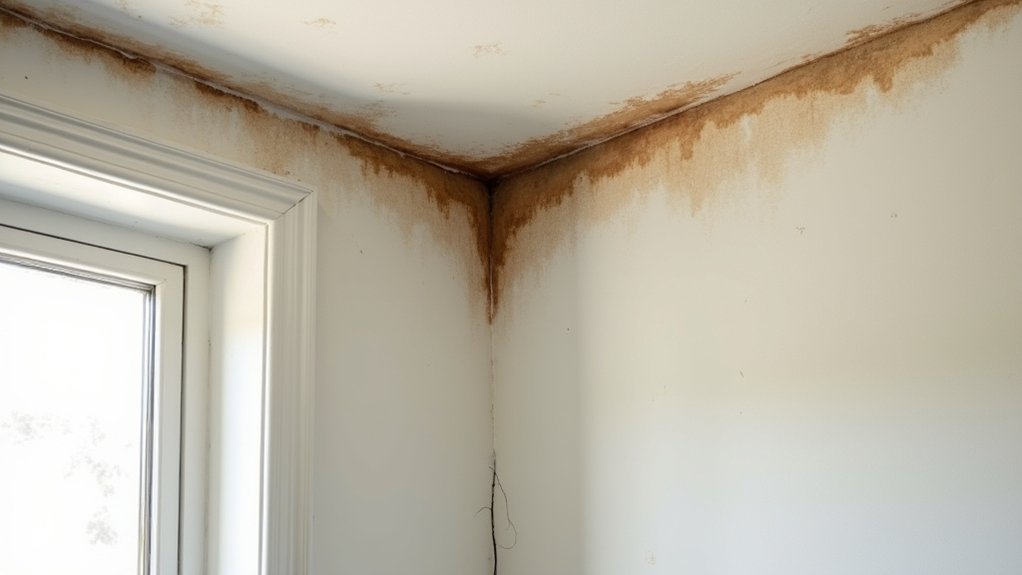
Spotting property damage early helps you prevent minor issues from becoming costly repairs. Walk through your property regularly and look for cracked walls, peeling paint, loose flooring, warped doors, sagging ceilings, damaged trim, or unusual sounds from appliances and structural components.
Check windows, rooflines, gutters, siding, and foundations from safe vantage points, especially after severe weather. Don’t dismiss new odors, drafts, or sudden changes in utility use; they may signal hidden problems requiring professional evaluation.
Photograph each concern, record when you noticed it, and monitor whether it changes. Address minor defects promptly, and keep receipts, inspection reports, and repair records organized.
Review your Property insurance coverage before work begins, and include likely repairs in renovation planning. If damage appears extensive, contact a qualified contractor and your insurer before disturbing affected areas.
Check for Water Stains and Damp Spots
Check ceilings, walls, floors, and the areas beneath sinks for yellow or brown stains, bubbling paint, swollen materials, mold growth, or damp spots. These clues may indicate water intrusion, even when a leak isn’t obvious.
Run your hand over nearby surfaces to detect unusual coolness or moisture, but don’t touch exposed wiring or sagging materials.
Inspect around toilets, tubs, appliances, windows, and plumbing connections after rain or use. Mark each stain’s edge with a pencil and date it, then recheck it regularly.
Expanding marks, soft flooring, or recurring damp patches require prompt attention.
Move furniture and stored items away from affected areas to improve access and prevent additional damage.
Photograph the evidence, identify potential sources, and contact a qualified professional before moisture weakens structural materials or spreads into adjoining rooms.
Follow Musty Odors to Hidden Moisture
When you notice a musty smell, trace it to its strongest point rather than masking it with air freshener. Check nearby walls, floors, ceilings, cabinets, and HVAC areas for hidden moisture, leaks, or mold.
Address the source promptly to prevent structural damage and worsening air quality.
Trace Musty Smells
A musty smell often points to hidden moisture behind walls, under flooring, or inside cabinets, even when no visible damage appears. Don’t dismiss the odor as stale air. Notice when it’s strongest, whether it returns after cleaning, and if it worsens during humid weather.
Check nearby rooms for peeling paint, swollen trim, warped flooring, or damp-feeling materials, but avoid disturbing suspicious areas unnecessarily.
Persistent odors can reduce air quality and encourage mold growth, which may spread before you see staining. Improve ventilation, run a dehumidifier, and keep the area dry while you arrange a professional assessment.
If the smell follows a recent leak, appliance issue, or storm, document the timing and affected rooms. Acting early helps limit structural damage, odors, and costly repairs.
Don’t mask the smell with fragrance.
Locate Hidden Moisture
Once you’ve confirmed that a musty odor persists, follow it to the areas where moisture may be collecting. Check beneath sinks, around toilets, behind appliances, and along baseboards for dampness, stains, peeling paint, or warped materials.
In basements, inspect corners, floor drains, sump pumps, and foundation walls, especially after heavy rain or basement flooding. Use a flashlight to examine dark gaps and a moisture meter to test suspicious surfaces.
Don’t ignore bubbling drywall, swollen flooring, or condensation on pipes; these clues can reveal a slow leak or poor ventilation. Move stored items away from walls so air can circulate, and document any damage with photographs.
Dry small affected areas promptly, but call a professional when moisture is widespread or mold growth appears. Repair the source before cleaning.
Look for Cracks in Walls and Ceilings
Small cracks can signal early property damage, especially if they appear suddenly, spread over time, or run diagonally from doors and windows. Walk through each room regularly and inspect walls, ceilings, corners, and areas around frames. Note the crack’s length, width, location, and direction, then photograph it beside a ruler so you can compare changes.
Pay attention to crack patterns: stair-step lines may suggest masonry movement, while widening gaps can indicate shifting or settling. Check whether doors stick or floors slope nearby, and record when you first noticed each sign. Look for ceiling discoloration around cracks, which may point to moisture above.
Don’t simply cover a suspicious crack. Keep furniture clear, avoid disturbing the area, and contact a qualified professional promptly if the damage expands, deepens, or affects structural features.
Spot Peeling Paint and Bubbling Surfaces
Peeling paint and bubbling surfaces often point to moisture trapped beneath the finish, so inspect them alongside any nearby cracks. Check walls, ceilings, trim, and window frames for curling edges, blistered patches, soft spots, or discolored areas.
Paint deterioration may indicate a roof, plumbing, gutter, or exterior-seal problem, even when the source isn’t visible. Surface bubbling can also develop when humidity remains high or water enters behind siding.
Don’t simply scrape and repaint; first identify where moisture could be entering. Gently press suspicious areas with a dry finger, but avoid puncturing blisters or disturbing potentially damaged material.
Photograph each finding, note its size and location, and compare it over several days. Improve ventilation, move furnishings away from affected surfaces, and arrange a professional inspection if damage spreads, feels soft, or returns after repainting.
Listen for Leaks, Drips, and Structural Noises
Listen carefully in quiet rooms for steady drips, rushing water, hissing, or tapping that continues after fixtures and appliances are off. These sounds may signal a hidden plumbing leak, a failing valve, or water moving where it shouldn’t.
Turn off faucets, toilets, and appliances one at a time, then listen again to narrow the source.
Pay attention to new creaks, pops, snapping, or low groans when doors open, pipes heat, or wind presses against the building. Such noises can indicate movement, loose connections, or stressed materials.
Record when each sound occurs and where it seems loudest.
During routine sound inspections, use careful noise detection rather than guessing.
Don’t open walls or handle electrical equipment yourself; contact a qualified professional promptly if sounds persist, intensify, or accompany odors, stains, or dampness.
Check Floors, Roofs, and Foundations
Check floors, roofs, and foundations for changes that could reveal developing damage. Walk through each room and watch for soft spots, raised boards, widening gaps, or new slopes.
Check around windows, doors, and plumbing fixtures for dampness that can weaken subfloors. Inspect your attic for wet insulation, stained rafters, daylight, or blocked roof ventilation; poor airflow can trap moisture and encourage rot.
Outside, examine shingles, flashing, gutters, and downspouts, especially after storms. Look for foundation cracks, leaning walls, sticking doors, and soil pulling away from the structure.
Keep water moving away from the house, and maintain clear drainage paths. Don’t cover suspicious floor stains or cracks before you understand their source.
Schedule routine checks, particularly after heavy rain, freezing weather, or major temperature changes, when hidden movement and moisture often become visible.
Document Damage and Know When to Call a Professional
Photograph visible damage from multiple angles, and record the dates, locations, and details of any changes.
Don’t attempt risky repairs; contact a qualified professional when damage affects structural, electrical, plumbing, or roofing systems.
Keep your documentation organized to support accurate assessments, insurance claims, and timely repairs.
Photograph Visible Damage
Once you notice visible damage, take clear, well-lit photographs before cleaning, repairing, or moving anything. Capture wide shots that show the affected area’s location, then take close-ups of cracks, stains, warped materials, mold, leaks, or other changes.
Photograph the damage from several angles, and include nearby walls, ceilings, floors, fixtures, and belongings when they provide useful context. Keep images sharp, and avoid filters or edits that could alter what you’re documenting.
During your visual inspection, photograph both obvious problems and surrounding areas that may show spreading damage. Strong damage documentation can help you compare changes, support an insurance claim, and explain the situation to a qualified professional.
Don’t enter unsafe areas or disturb suspected asbestos, electrical hazards, or structural damage; leave those conditions for trained specialists to assess safely.
Record Dates And Details
After photographing the damage, create a written record while the details remain fresh. Note the date, time, weather, location, affected materials, and any odors, sounds, leaks, or changes in appearance.
Describe the damage objectively, avoiding guesses about its cause. Record when you first noticed it and whether it has expanded, returned, or worsened.
Keep receipts, repair attempts, maintenance notes, and related messages in one dated file.
Compare current conditions with historical property records, inspection reports, and renovation documents to identify recurring problems or vulnerable areas.
Review your insurance claim history so you can separate new damage from previously documented issues and preserve accurate coverage information.
Update the log after heavy rain, freezing temperatures, or other events, and set reminders to check the area regularly for further changes.
Contact Qualified Professionals
When damage affects structural components, electrical systems, plumbing, roofing, or indoor air quality, contact a qualified professional promptly rather than attempting a risky repair yourself.
Before the visit, photograph affected areas, record dates, note unusual odors or sounds, and save invoices or inspection reports. Share this evidence so the contractor can identify causes, assess urgency, and recommend appropriate repairs.
Request a written estimate that separates emergency work from preventive improvements, and verify licensing, insurance, references, and warranties.
A professional property inspection can reveal hidden moisture, weakened materials, or unsafe wiring that casual observation misses.
Ask about maintenance scheduling after repairs, including roof checks, appliance servicing, and leak monitoring.
If conditions worsen, limit access, shut off utilities only when safe, and follow emergency instructions.
Don’t conceal damage before evaluation.
Frequently Asked Questions
How Can I Prevent Minor Property Damage From Becoming a Costly Repair?
Catch small problems before they snowball: inspect regularly, fix leaks promptly, and follow a Maintenance checklist. Your Damage prevention plan should include sealing cracks, clearing gutters, documenting changes, and scheduling professional inspections.
Does Homeowners Insurance Cover Damage Discovered During Routine Inspections?
Usually, homeowners insurance covers sudden, accidental damage, not maintenance issues uncovered during routine inspections. Review your policy’s Coverage exclusions, document findings, and contact your insurer before repairs; Insurance claims may require prompt reporting and proof.
How Often Should I Schedule a Professional Property Inspection?
How often should you schedule one? Arrange a professional inspection annually, increasing Inspection frequency after severe weather, renovations, or visible concerns. Consistent Property maintenance helps you identify hidden issues early and prevent expensive repairs.
What Tools Are Useful for Monitoring Property Condition Between Inspections?
Use moisture meters around plumbing, roofs, and basements; install sensor alerts for leaks, temperature, and humidity; inspect with a flashlight, camera, and level, then record readings so you’ll notice changes between professional inspections.
Can Seasonal Weather Changes Cause Hidden Property Damage?
Yes, seasonal weather changes can cause hidden property damage. Track Weather patterns, inspect roofs, foundations, plumbing, and drainage, and address Hidden vulnerabilities promptly. You’ll prevent moisture intrusion, freeze damage, mold, corrosion, and expensive repairs.
About the Author


