
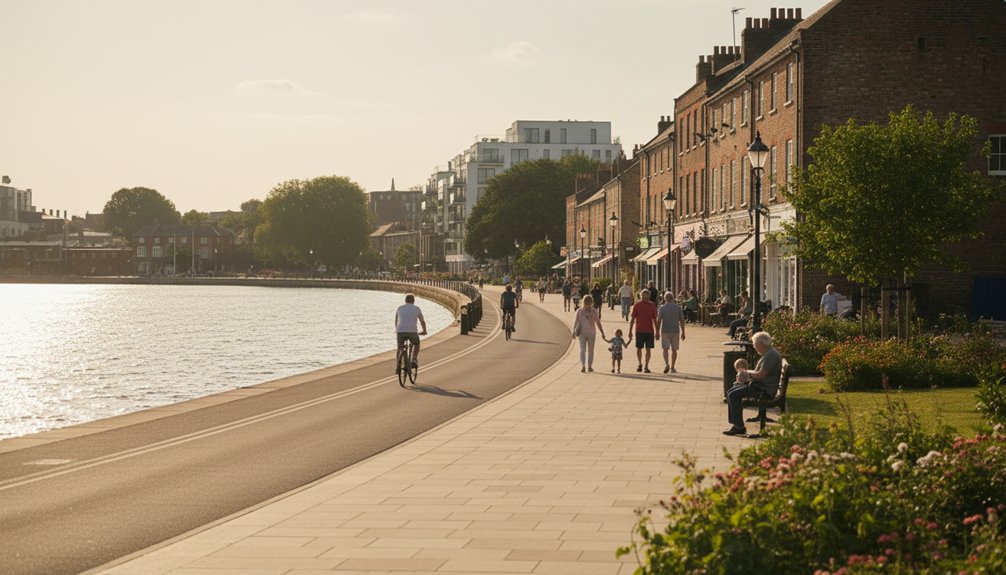
Southampton’s population exceeds 250,000, making it one of southern England’s larger coastal cities. You’ll find strong employment, universities, cultural attractions, and easy access to the coast, but you’ll also face high housing costs, congestion, and uneven transport links. Your experience will depend heavily on your budget, commute, and preferred neighbourhood. Before deciding whether Southampton suits you long term, you’ll need to weigh its everyday advantages against the less obvious compromises.
Key Takeaways
- Southampton offers coastal access, nearby countryside, parks, cultural attractions, and varied recreational opportunities for long-term residents.
- Its diverse economy, strong transport links, schools, university, hospitals, and employment sectors support different lifestyles and household needs.
- Housing is generally more affordable than London but remains costly, particularly in central areas and for renters or first-time buyers.
- Families should compare neighborhoods carefully, balancing housing space, schools, green areas, amenities, commuting distances, and transport costs.
- Traffic congestion, limited parking, crowded public transport, and uneven access to green space are important long-term considerations.
Is Southampton Good for Long-Term Living?
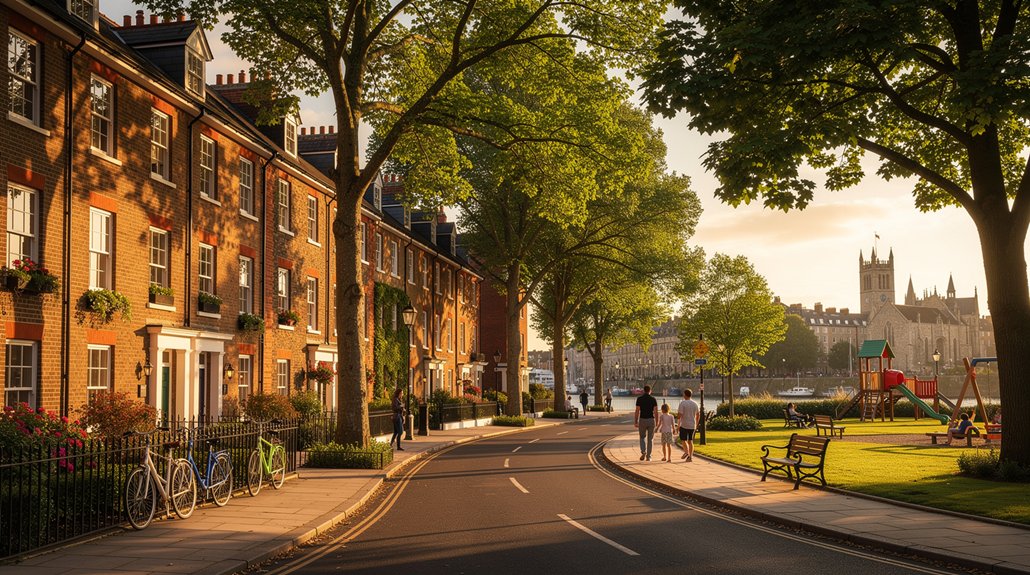
Southampton can be a good city for long-term living if you value coastal access, reliable transport links, and a diverse range of housing, education, and employment options. You’ll find a practical balance between urban convenience and access to parks, waterfront areas, and nearby countryside.
The city’s universities, hospitals, port, and business districts support varied career paths, while strong rail and road connections make regional travel straightforward.
You can also enjoy a lively cultural scene, with theatres, galleries, music venues, museums, and regular community events. Its nightlife options range from relaxed pubs and independent bars to clubs and live entertainment, although activity varies by neighbourhood.
Consider local traffic, neighbourhood character, school access, and your preferred pace before choosing where to settle. Overall, Southampton suits many lifestyles, but your experience will depend on location and priorities.
What Does Living in Southampton Cost?
Once you’ve decided that Southampton fits your lifestyle, you’ll need to assess whether its costs suit your budget. Housing, transport, utilities, food, and leisure will shape your monthly spending, so create a realistic budget before moving.
Rents and property prices can be higher than in some nearby towns, although they’re often more manageable than in London. Your cost comparison should include council tax, commuting expenses, insurance, and maintenance, not just the advertised rent or mortgage.
Housing affordability depends on your income, deposit, household size, and preferred property type. You’ll usually find that living centrally costs more, while travelling farther may reduce housing costs but increase time and fares.
Compare several listings and calculate total monthly expenses. Local wages, childcare, and energy bills also deserve careful consideration before you commit.
Which Southampton Neighbourhoods Suit You Best?
Choosing where to live depends on your priorities, budget, and daily routine. Family-friendly suburbs offer more space, quieter streets, and schools.
Vibrant central districts keep you close to shops, culture, and nightlife. Consider your commute and preferred pace before comparing Southampton’s neighbourhoods.
Family-Friendly Suburbs
If you’re looking for a family-friendly place to settle, Southampton’s suburbs offer different strengths rather than one clear winner.
Chandlers Ford appeals if you want larger homes, green spaces, and a quieter routine, although commuting costs and house prices can be higher.
Hedge End provides practical shopping, schools, and transport links, making daily errands simpler for busy households.
Bassett and Highfield suit you if you value access to respected schools, University facilities, and family friendly parks, but demand can push rents and prices upward.
Woolston and Bitterne offer more varied housing and useful services, while you’ll need to compare individual streets carefully.
Check school catchments, traffic, childcare, and local amenities before deciding.
Suburban safety matters, yet visiting at different times will give you the clearest impression of each area.
Vibrant Central Districts
For a livelier routine, Southampton’s central districts put shops, restaurants, culture, and transport within easy reach. You can choose the city centre for maximum convenience, with Westquay, cafés, offices, and frequent buses nearby. It’s particularly practical if you commute without a car, though traffic, nightlife, and smaller flats may affect your comfort.
The Old Town offers more character, where you’ll find Historic landmarks, medieval walls, museums, and waterfront walks. Cultural festivals, concerts, and theatre performances add energy throughout the year, but weekends can feel busy and parking remains limited.
Bedford Place and Portswood provide independent food venues and a younger atmosphere, while Northam offers improving waterside access.
Before moving, visit at different times, compare noise levels, check transport links, and assess local housing costs against your preferred lifestyle and budget.
What Are Jobs and Schools Like in Southampton?
Southampton offers a varied job market, with opportunities in healthcare, education, marine industries, retail, tourism, and professional services. You’ll find major employers connected to the university, hospitals, port, and local government, while smaller businesses add flexibility. Employment prospects can be strongest for candidates with healthcare, digital, engineering, logistics, or teaching skills, although competition and salaries vary by sector.
Families benefit from diverse educational opportunities, including state primary and secondary schools, sixth forms, colleges, and the University of Southampton. School quality differs between neighbourhoods, so you should compare inspection reports, admissions policies, catchment areas, and recent performance before choosing where to live.
The city also supports apprenticeships and adult learning, helping you retrain or gain qualifications. Overall, Southampton offers credible long-term career and education options, but careful research will help you match opportunities with your priorities.
Can You Get Around Southampton Easily?
Good transport links make it easier to reach Southampton’s jobs, schools, and services. You’ll find frequent buses connecting residential areas with the city centre, university, hospital, and nearby towns.
Southampton Central station offers regular trains to London, Winchester, Bournemouth, and other destinations, while the ferry terminal provides links across the Solent.
If you live centrally, you can often walk to shops, workplaces, and entertainment venues.
Cycling infrastructure is improving, with dedicated routes and quieter streets on some key corridors, although you’ll still need to plan carefully around busy roads.
Driving remains practical for journeys beyond the city, and parking is available in several central car parks.
What Are Southampton’s Main Living Drawbacks?
You’ll need to weigh Southampton’s high housing costs against your budget and long-term plans.
Traffic and limited parking can make daily travel frustrating, especially at busy times.
You’ll also find less green space than in many nearby towns, so consider how important easy access to parks is for you.
High Housing Costs
Housing is one of Southampton’s biggest living drawbacks, especially for renters and first-time buyers. You’ll often face strong competition for well-located homes, while prices can rise near the city centre, waterfront, university, and major employment areas.
If you’re renting, deposits, agency fees, and annual increases can stretch your budget beyond the advertised monthly rent. Rental market trends may also change quickly, so you’ll need to compare listings, check contract terms, and act promptly when suitable properties appear.
Affordable neighborhoods exist in and around Southampton, but you may need to compromise on size, condition, amenities, or distance from your preferred area.
Buying requires substantial savings for a deposit and additional costs, including surveys and legal fees. Careful budgeting and researching local prices can help you judge whether long-term affordability matches your income and plans.
Traffic and Parking
Traffic and parking can make daily travel frustrating, particularly during peak hours, school runs, and busy event periods. If you commute by car, you may face traffic congestion on major routes, especially around the city centre, ports, and bridges.
Finding affordable, convenient parking can also prove difficult, while resident permits and time restrictions may limit your options. You’ll need to allow extra time for appointments, shopping, or school journeys, and occasional roadworks can add further delays.
Public transportation offers a practical alternative, with buses and trains serving many neighbourhoods and nearby towns. However, services can become crowded, delayed, or less frequent outside central areas and during evenings.
Before choosing where to live, check your likely commute, parking availability, and transport links. Living near frequent services may reduce driving costs and stress.
Limited Green Space
After dealing with busy roads and limited parking, you may also notice that Southampton doesn’t offer abundant green space in every neighbourhood. Dense development and busy routes can leave you without a nearby park for daily walks, children’s play, or quiet outdoor time.
This limitation may matter more if you’re moving from a smaller town or planning to raise a family. However, Southampton still provides valuable urban parks, including Southampton Common, Riverside Park, and Hoglands Park, although access varies by area.
You can also find community gardens and allotments that create local green spaces and encourage neighbourly connections. Before choosing a home, check walking routes to parks, playgrounds, and waterfront areas.
If outdoor access strongly affects your lifestyle, compare districts carefully rather than assuming the whole city offers the same balance.
Who Thrives in Southampton Long Term?
People who thrive in Southampton long term often value its coastal setting, strong transport links, and mix of urban and outdoor spaces.
You’ll suit the city if you want convenient access to London, nearby beaches, and varied employment in education, healthcare, marine industries, or business services.
Young professionals and students can find lively social options, including cultural festivals, music venues, and nightlife hotspots.
Families may appreciate the schools, parks, shopping, and practical amenities, though they should compare neighbourhoods carefully because space and costs vary.
You’ll also benefit if you’re comfortable with a busy, developing city rather than a quiet rural community.
If limited green space concerns you, plan regular trips to the New Forest, South Downs, or surrounding coast.
Your priorities will determine whether Southampton feels sustainable long term.
Frequently Asked Questions
What Is Southampton’s Weather Like Throughout the Year?
You’ll find Southampton’s weather mild and changeable: summers are generally warm, winters cool and wet, while spring and autumn bring frequent showers. Climate variability and seasonal changes mean you’ll want layers and waterproofs year-round.
Does Southampton Offer Many Cultural Events and Entertainment Options?
Yes, you’ll find plenty of cultural festivals, live music, theatre, galleries, and entertainment venues in Southampton. You can enjoy varied events year-round, though larger touring performances and specialist attractions may require occasional trips elsewhere.
How Accessible Are Southampton’s Beaches and Waterfront Areas?
You’ll find Southampton’s beaches and waterfront areas fairly accessible, with buses, roads, promenades, and parking nearby. Beach accessibility varies, while waterfront amenities include cafés, marinas, parks, and paths; check seasonal transport and facilities beforehand.
What Healthcare Facilities and Hospitals Serve Southampton Residents?
You’ll find healthcare quality anchored by Southampton General Hospital, which handled over 1.5 million patient contacts annually, plus Princess Anne Hospital and community clinics; Hospital accessibility’s generally strong, though appointments can involve waits.
Are There Opportunities to Join Community Groups in Southampton?
Yes, you’ll find plenty of community groups in Southampton, from neighborhood associations and sports clubs to cultural societies. Community engagement grows through Local volunteering, helping you build friendships, skills, and local connections.
About the Author