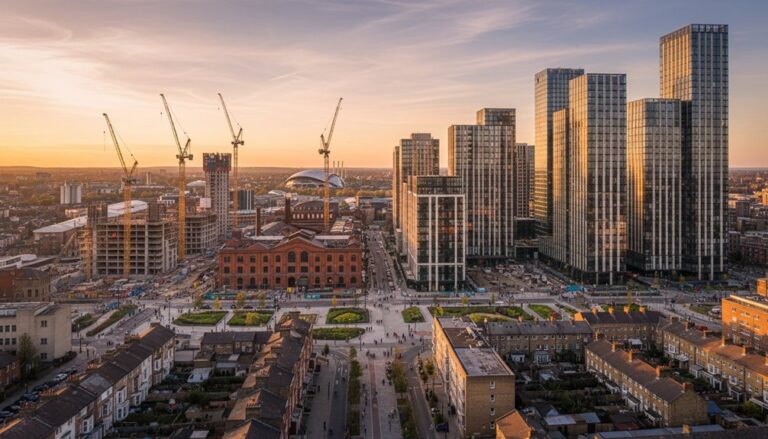
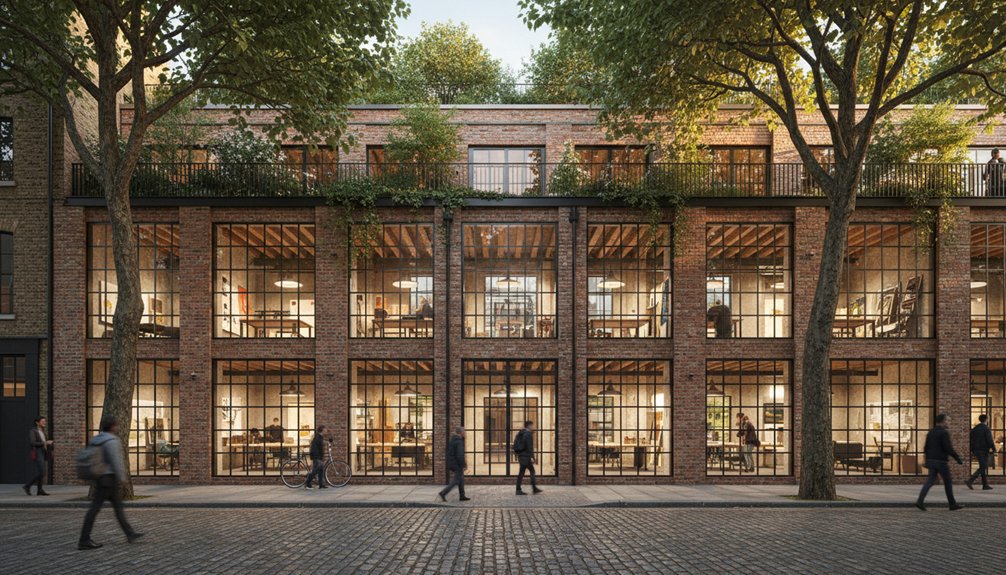
Could Camden suit your plans for a converted warehouse and creative lifestyle? You’ll find characterful spaces, strong transport links, independent venues, and a well-established artistic community, but you’ll also need to weigh higher rents, noise, limited outdoor space, and listed-building restrictions. The right area and building can make open-plan living work exceptionally well; the wrong one may feel costly and impractical. Before deciding, consider what daily life, pricing, and property checks really involve.
Key Takeaways
- Camden’s converted warehouses offer character, high ceilings, exposed brickwork, abundant light, and flexible open-plan layouts suited to creative living.
- Creative professionals benefit from nearby music venues, markets, cafés, Regent’s Canal, transport links, and vibrant community life.
- Chalk Farm and Camden Market provide lively central locations, while Kentish Town offers more space and a quieter independent atmosphere.
- Buyers should budget for premiums, service charges, renovation expenses, and surveys covering damp, asbestos, roofs, drainage, and building management.
- Weekend crowds, late-night noise, limited outdoor space, and privacy challenges mean prospective residents should test properties at different times.
Why Choose a Camden Warehouse Home?
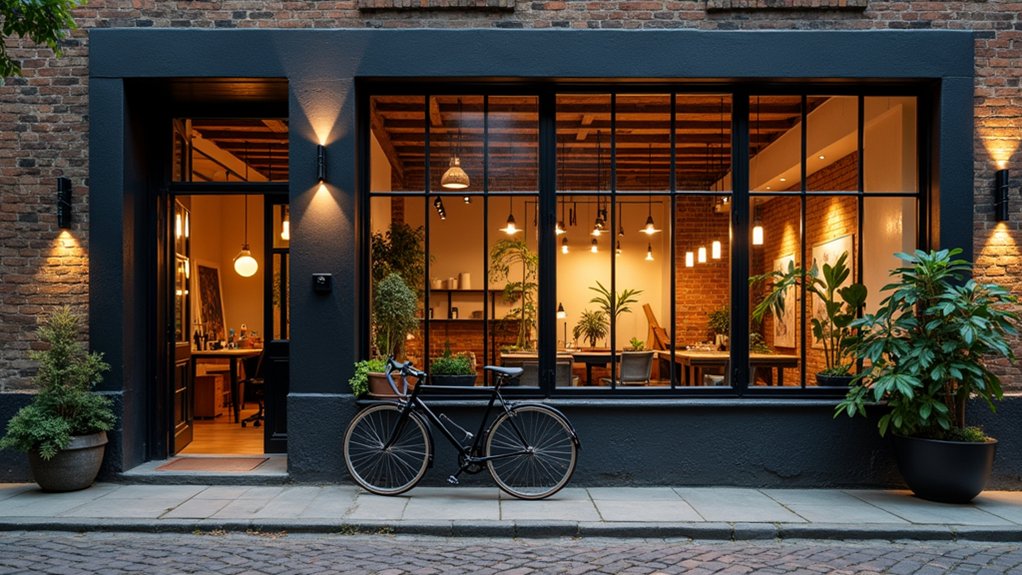
Why choose a Camden warehouse home?
You’ll find a rare blend of character, flexibility, and central London convenience. Former industrial buildings often retain original brickwork, exposed beams, steel columns, and generous ceiling heights, giving each room a distinctive sense of place.
Their Historical significance adds depth that newer developments can’t easily reproduce, while thoughtful conversions improve insulation, security, and everyday usability.
You’ll also benefit from architectural appeal that suits contemporary furniture, artwork, and adaptable layouts. Large windows can bring strong natural light, and open-plan interiors let you shape spaces around work, entertaining, or relaxation.
From a market perspective, location remains a major advantage: Camden’s transport links, music venues, markets, and independent businesses support enduring demand.
Before committing, check lease terms, service charges, soundproofing, and the conversion’s planning history.
Who Suits Camden Warehouse Living?
Camden warehouse living suits you if you’re a creative professional seeking character, light, and room to work.
You’ll also appreciate it if you want an energetic urban lifestyle close to the area’s music, markets, and transport links.
If flexible, open-plan space matters to you, compare layouts carefully, as warehouse conversions vary widely in practicality and price.
Creative Professionals
Creative professionals often suit Camden warehouse living because its generous open-plan layouts, high ceilings and adaptable spaces support both focused work and informal collaboration. You might use a mezzanine as a studio, reserve a quieter corner for editing, or install flexible storage for equipment and materials.
Camden’s historical significance adds character, while exposed brick, steel beams and tall windows create distinctive architectural aesthetics that can strengthen your creative environment.
Before committing, check natural light, acoustic separation and loading access, particularly if you handle bulky work or meet clients at home.
Review lease restrictions on alterations, business use and noise, then compare service charges for lifts, communal repairs and building insurance.
A well-planned warehouse can give you professional space without sacrificing a practical, liveable layout.
Urban Lifestyle Seekers
Beyond dedicated studio users, Camden warehouse living suits people who want a more characterful, connected urban routine. You’ll find converted buildings near independent cafés, music venues, markets, Regent’s Canal walks, and reliable transport links, making everyday life feel lively without constant commuting.
This setting works particularly well if you value local culture, walkability, and a home with a story rather than a standard new-build finish. Look for schemes where Historical preservation protects original brickwork, beams, loading doors, or generous windows, while Modern amenities provide secure entry, efficient heating, quality kitchens, and practical bathrooms.
You should also assess noise, daylight, service charges, and nearby late-night activity before committing. Camden suits you best when you’re comfortable with an energetic neighbourhood and want convenience, character, and community close at hand.
Flexible Space Lovers
If you need a home that can adapt as your routines change, Camden warehouse living gives you valuable flexibility. Open-plan layouts let you switch between working, entertaining, exercising, and relaxing without feeling boxed in. You can define zones with shelving, furniture, or lighting rather than permanent walls, which suits hybrid workers, creatives, and growing households.
Look for practical features, including strong natural light, reliable broadband, storage, and sensible heating costs. Some converted buildings offer mezzanines or adaptable studios, but check ceiling heights, lease restrictions, service charges, and sound insulation before committing.
Camden’s market rewards buyers who value character, though competition can push prices higher than comparable flats elsewhere.
You’ll also benefit from local energy: galleries, art installations, cafés, and community events create a sociable setting beyond your front door.
How Much Do Camden Warehouse Homes Cost?
Camden warehouse homes typically command premium prices, with converted flats often starting around £500,000 and larger, character-rich lofts exceeding £1 million, depending on the street, floor area, condition, and quality of the conversion.
You’ll usually pay more for generous ceiling heights, original brickwork, exposed beams, private terraces, lift access, and secure parking. Service charges can also prove substantial, particularly in developments with concierge services, communal heating, or listed-building maintenance.
Before offering, check lease length, ground rent, reserve funds, and planned major works. A thorough survey matters because historic fabric can hide costly damp, roofing, or window repairs.
Historical significance adds appeal, but it may restrict alterations. Consider environmental impact too: better insulation, efficient glazing, and modern heating can reduce running costs.
Compare sold prices, not optimistic asking prices, and budget for legal, mortgage, and renovation expenses.
Which Camden Areas Suit Warehouse Living?
Warehouse living suits several Camden pockets, but each offers a different balance of character, convenience, and price. Around Camden Market and Chalk Farm, you’ll find converted industrial buildings, creative energy, and excellent transport links. Expect strong demand, lively streets, and a premium for centrality.
Kentish Town can suit you if you want more space and a less tourist-focused atmosphere. Its Victorian terraces, workshops, and emerging warehouse conversions sit alongside independent cafés, pubs, and practical transport connections. Nearby Kentish Town West gives you quick access to Gospel Oak and Hampstead Heath.
Regent’s Park and Primrose Hill offer quieter surroundings, while warehouse-style homes appear less frequently and command higher prices. For authentic Historical architecture, examine streets around St Pancras and King’s Cross.
Compare each area’s Neighborhood amenities, noise levels, and creative community before choosing your Camden base.
What Should You Check Before Buying?
Before you commit, inspect the building’s conversion history, lease terms, and maintenance records rather than relying on its industrial character alone. Ask Camden’s planning department whether the original change of use received approval, and check current zoning regulations for restrictions on alterations, business use, or future development nearby.
If the property sits within a conservation area, Historical preservation requirements may limit replacement windows, façades, rooflights, or external insulation. Have a surveyor examine damp, roof structure, drainage, asbestos, fire separation, and the condition of retained industrial features.
Confirm who pays for communal repairs, insurance, and major works, particularly in converted blocks with complex management arrangements. Review service-charge accounts and planned projects carefully.
Finally, verify parking, access, broadband, refuse storage, and any rights affecting deliveries or shared courtyards before exchanging contracts.
Can Open-Plan Living Work for You?
Open-plan living lets you adapt a Camden warehouse to work, entertain and relax in one flexible space. You’ll need to balance openness with privacy, using furniture, screens or zoning to define distinct areas.
Consider how the layout will suit your routines, rather than relying on its character alone.
Flexible Space Planning
Could flexible space planning make your Camden home work harder? In a converted warehouse, one adaptable layout can support cooking, working, entertaining and relaxing without wasting valuable floor area.
Start by mapping how you use the room throughout the day, then position furniture to create clear activity zones. A kitchen island can anchor meals and preparation, while a generous table may double as a desk.
Freestanding shelving, storage benches and movable lighting let you adjust the arrangement as your needs change. This approach suits Camden’s loft conversions, where generous proportions and tall windows reward thoughtful planning.
You can also soften industrial aesthetics with timber, textiles and colourful furniture, keeping the character while making the space practical.
Before committing, check circulation routes, heating and power points, and measure every major item.
Balancing Privacy and Openness
Once your layout supports several activities, the next question is how much separation you need. Camden’s converted warehouses can feel sociable and spacious, but exposed kitchens, bedrooms, and workstations may create privacy concerns. Test the space at different times: consider street noise, sightlines from neighbouring windows, and how sound travels across concrete floors.
Use bookcases, curtains, glazed partitions, or planting to define zones without losing daylight. A generous entrance lobby can also prevent visitors from looking directly into living areas. Open planning works best when you control access rather than eliminate boundaries.
Think about community engagement, too: shared courtyards, cafés, and creative venues can enrich your routine, while your flat should still offer a retreat. Before buying, map furniture positions and ask whether the layout supports both lively gatherings and quiet evenings.
What Is Everyday Life Like Near Camden Warehouses?
Everyday life near Camden’s converted warehouses blends creative energy with practical convenience: you’ll find independent cafés, pubs, music venues, markets, and the Regent’s Canal within easy reach.
Major transport links keep central London accessible. You can walk to Camden Market for food, vintage finds, and everyday essentials, then reach King’s Cross, Euston, or the West End quickly by tube, bus, or bicycle.
Community events, from canal-side gatherings to live music and seasonal markets, create regular opportunities to meet neighbours.
Local amenities include supermarkets, gyms, pharmacies, schools, and flexible workspaces, so you won’t need to travel far for routine errands.
For a realistic feel, visit on weekday mornings and weekend evenings; the rhythm changes noticeably, helping you judge whether the area suits your lifestyle.
What Are the Main Trade-Offs of Camden Living?
That convenience and creative energy come with trade-offs: Camden living can mean higher rents, weekend crowds, late-night noise, and limited outdoor space, particularly around the busiest warehouse conversions and market streets.
You’ll also find that converted buildings vary widely: some offer excellent insulation and modern amenities, while others retain draughty windows, awkward layouts, or lift-free access.
Historical preservation protects Camden’s character, but listed-building rules can limit alterations, deliveries, bike storage, and energy upgrades.
Before committing, visit at different times, check soundproofing, confirm service charges, and measure storage carefully.
Compare rents with nearby Kentish Town, Chalk Farm, or Gospel Oak to judge the premium you’re paying.
If you value atmosphere over space, the compromise may work; if you need quiet, parking, or a private garden, look beyond the busiest pockets.
Frequently Asked Questions
Are Camden Warehouse Conversions Eligible for Conservation Area Restrictions or Special Planning Controls?
Yes, your Camden warehouse conversion may face Historic preservation rules, conservation-area controls, and zoning regulations. Check Camden Council’s planning map, listed-building status, and permitted-development limits before purchasing; heritage constraints can shape your renovation budget.
How Energy-Efficient Are Converted Warehouses During Camden’s Colder Winter Months?
You’ll find Camden warehouse conversions vary widely in winter: strong thermal insulation, double glazing, and efficient boilers can keep rooms comfortable, while exposed brick and lofty ceilings reduce heating efficiency. Check EPC ratings, bills, and retrofit potential.
What Financing Challenges Might Arise When Purchasing a Camden Warehouse Conversion?
You’ll face character and complexity: Historical preservation can protect charm, while zoning regulations may restrict alterations. Expect higher deposits, specialist surveys, and renovation contingencies; secure lenders familiar with conversions, verify approvals, and budget carefully for hidden defects.
Can Warehouse Residents Make Structural Alterations After Completing Their Purchase?
You can make structural alterations, but Camden conversions typically require freeholder consent, planning approval, and building-control compliance. Check leasehold considerations first; interior customization usually permits finishes, not walls, services, windows, or façades.
How Do Camden Warehouse Conversions Perform as Long-Term Investments?
You’ll find Camden warehouse conversions balancing Industrial heritage with Urban revitalization: character can support strong demand, yet maintenance costs, lease terms, and limited alterations matter. Check transport, service charges, planning restrictions, and comparable rents before investing.
About the Author