
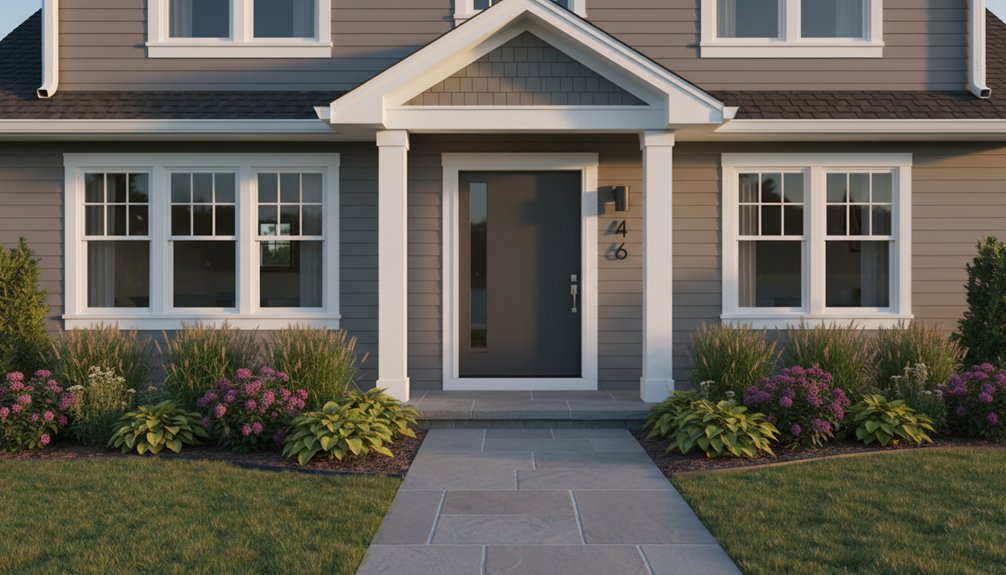
You don’t need a major renovation to increase your home’s value; buyers often reward clean, functional updates more than expensive custom features. Focus first on improvements with broad appeal, such as refreshed paint, updated kitchens and bathrooms, better lighting, energy-efficient windows, and stronger curb appeal. Practical storage and inviting outdoor areas can also improve daily comfort. The key is knowing which projects offer lasting value—and which may cost more than they return.
Key Takeaways
- Update kitchens and bathrooms with durable fixtures, efficient layouts, reliable appliances, and practical storage.
- Refresh interior and exterior paint using neutral colors, repaired surfaces, and appropriate finishes.
- Install LED lighting, dimmers, energy-efficient windows, and smart controls to reduce utility costs.
- Improve curb appeal by maintaining landscaping, cleaning exteriors, and repairing paths, railings, fencing, and entryways.
- Add built-in shelving, closet organizers, and tailored storage to reduce clutter and improve everyday functionality.
Choose Upgrades With the Best Resale Value
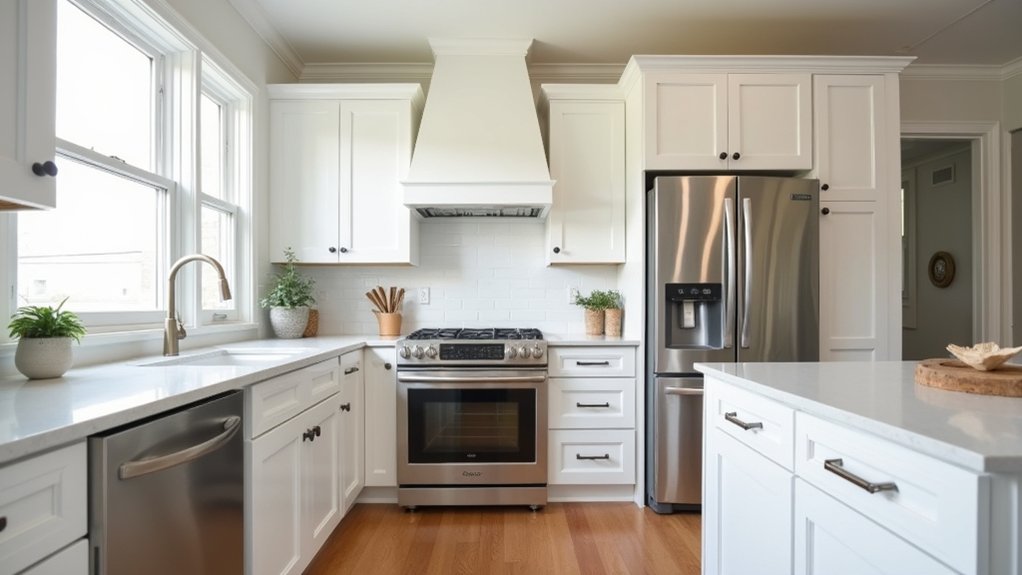
When planning home improvements, focus on upgrades that buyers consistently value, such as a modern kitchen, updated bathrooms, energy-efficient windows, and improved curb appeal.
Prioritize projects that improve daily function rather than reflecting highly personal tastes.
In the kitchen, durable cabinets, reliable appliances, and efficient layouts usually deliver stronger returns than luxury upgrades with limited appeal.
Bathroom improvements should emphasize practical fixtures, adequate storage, and good ventilation.
Energy-efficient windows can reduce utility costs while making your home more comfortable and attractive to environmentally conscious buyers.
You might also add smart home technology, such as programmable thermostats, security systems, or lighting controls, but choose compatible, user-friendly products.
Before spending, compare local listings and ask a real estate professional which features buyers expect in your neighborhood.
Keep records and receipts to support your home’s value.
Refresh Paint and Finishes for Appeal
A fresh coat of paint can make your home feel cleaner, brighter, and more current without requiring a major renovation. Choose neutral shades for broad appeal, then use carefully selected accents to add character without overwhelming buyers.
Color psychology can guide your choices: soft blues may create calm, while warm whites can make rooms feel welcoming and spacious. Before painting, repair cracks, patch holes, and clean walls so the finish looks professional.
Select the right sheen for each surface. Eggshell or satin works well in living areas because it balances a polished appearance with easy cleaning. Use semi-gloss for trim, doors, and moisture-prone spaces.
Consider finish durability when comparing products, especially in hallways and kitchens. Don’t forget exterior paint, where a refreshed front door, shutters, or trim can strengthen curb appeal.
Improve Lighting and Lower Energy Bills
Well-placed lighting can make rooms feel larger, safer, and more inviting while reducing energy use. Replace outdated incandescent bulbs with LEDs, which last longer and consume far less electricity. Choose warm white bulbs for living areas and brighter, cooler options for kitchens, bathrooms, and workspaces.
Add dimmer switches so you can adjust brightness instead of wasting energy, and use task lighting to illuminate only the area you need. Smart bulbs let you schedule lights, control them remotely, and prevent accidental overnight use.
Open curtains during the day to rely on natural light, but use efficient window coverings to manage heat gain. For larger savings, ask a qualified installer whether solar panels suit your roof and budget.
These upgrades can lower monthly bills while making your home more comfortable and appealing.
Boost Curb Appeal and Outdoor Space
A few simple exterior updates can make your home look more inviting and increase its value. Start with a thorough cleaning: Wash siding, windows, pathways, and the front door to remove grime.
Repair cracked steps, loose railings, and damaged fencing before they become safety concerns. Refresh the entry with a durable paint color, a new house number, and attractive, weather-resistant lighting.
Keep garden landscaping neat by trimming overgrown plants, adding mulch, and choosing low-maintenance greenery suited to your climate. A healthy, well-defined lawn also creates a polished first impression.
In the backyard, arrange outdoor furniture to define a comfortable area for dining or conversation. Choose quality pieces that can withstand local weather, and add shade with an umbrella or pergola.
These improvements enhance daily enjoyment without requiring major construction or ongoing maintenance.
Add Storage for Better Everyday Function
Once the exterior feels organized and inviting, improve how your home works indoors by adding storage where clutter tends to collect. Start with entryways, kitchens, bedrooms, and bathrooms, where daily items quickly create visual disorder.
Built-in shelving can use empty wall space for books, baskets, media equipment, or display pieces without shrinking the room’s footprint. In bedrooms, closet organizers help you separate clothing, shoes, and accessories, making mornings faster and protecting garments from unnecessary wear.
Choose durable materials, adjustable components, and finishes that complement your existing style. If you’re renovating, use overlooked areas beneath stairs or above doorways for tailored cabinets.
Keep frequently used items within easy reach, while storing seasonal belongings higher up. Well-planned storage improves convenience, reduces clutter, and makes your property feel more spacious and thoughtfully designed.
Frequently Asked Questions
How Can I Finance Home Improvement Projects Without Overextending My Budget?
Start like building a bridge: compare financing options before crossing. Create budget planning with a 10% cushion, prioritize urgent work, save first, and choose fixed payments you can comfortably afford. Avoid borrowing beyond your monthly limit.
Do I Need Permits for Minor Home Renovations and Structural Changes?
You’ll often need permits for structural changes, electrical, plumbing, or major renovations, while cosmetic updates may not. Check local permit requirements and building codes before starting, and ask your department when uncertain.
Should I Hire Professionals or Tackle Improvements as Do-It-Yourself Projects?
You’ll find the right path by weighing skill, time, and risk: tackle cosmetic tasks yourself, but seek professional assessment for structural work. Follow DIY safety practices, obtain required permits, and hire experts when uncertainty shadows your confidence.
How Can I Prioritize Repairs Before Making Cosmetic Upgrades?
Prioritize repairs that protect safety, structure, and prevent water damage. Address electrical, plumbing, roofing, and foundation issues first. Once systems work reliably, budget for decorative upgrades and aesthetic enhancements that improve appearance without hiding problems.
What Maintenance Schedule Helps Preserve the Value of My Improvements?
Follow a seasonal Maintenance checklist: inspect roofs, gutters, plumbing, HVAC, paint, and seals quarterly; service systems annually; document completed work. You’ll protect condition, support a favorable Property appraisal, and catch costly problems early.
About the Author


