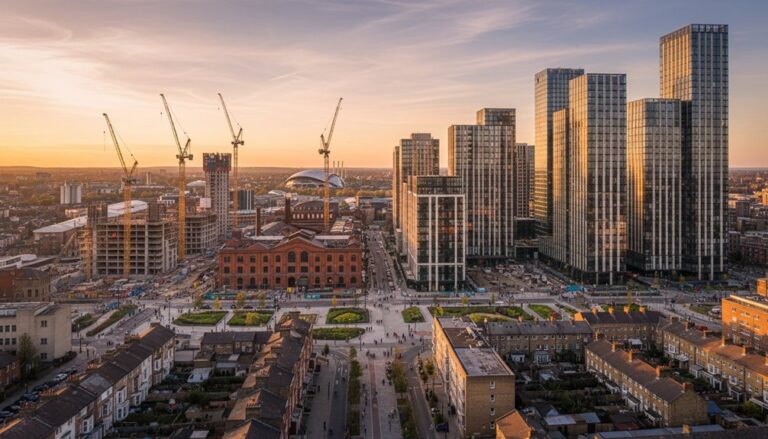
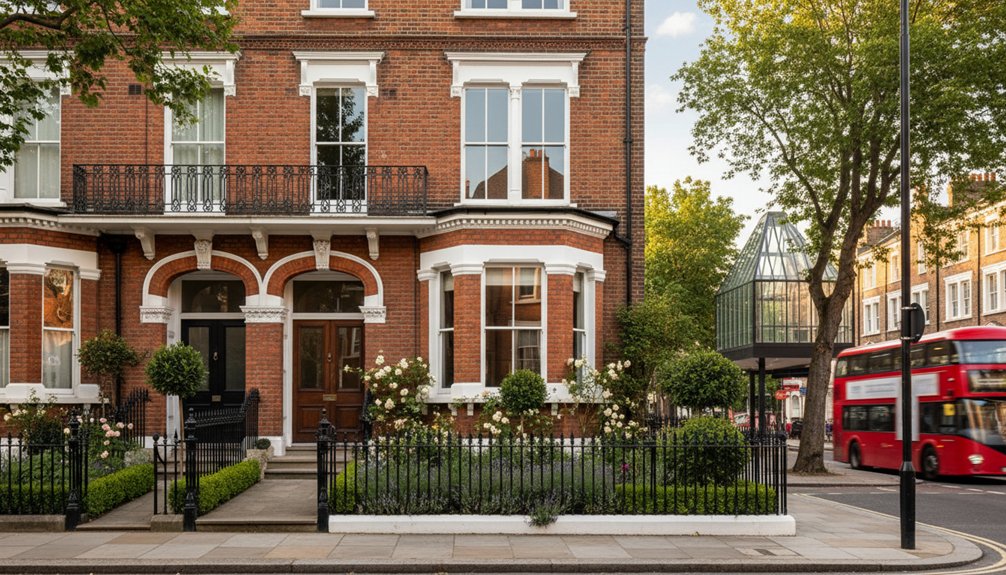
You can find Victorian character and fast modern connections in the same Hammersmith postcode. If you value period detail without sacrificing an efficient commute, the area deserves serious consideration. Its conservation streets, varied housing stock and access to several Underground lines create a strong balance, but prices, condition and location differ markedly from one road to the next. Before deciding whether Hammersmith fits your priorities, you’ll need to examine its homes, costs, transport and practical buying risks.
Key Takeaways
- Hammersmith offers Victorian terraces and Edwardian mansion blocks with original façades, sash windows, high ceilings, and distinctive period character.
- Brook Green, Brackenbury Village, and Ravenscourt Park contain attractive period properties, though conservation rules may restrict alterations.
- Excellent transport includes District, Piccadilly, and Hammersmith & City lines, buses, Kensington Olympia rail, and direct Heathrow access.
- Buyers should budget for specialist surveys, renovation, maintenance, and potentially costly upgrades to ageing plumbing, wiring, roofs, and insulation.
- Hammersmith suits buyers prioritising architectural character, established neighbourhoods, parks, riverside amenities, and convenient commuting over low-maintenance living.
Is Hammersmith Right for Period Homebuyers?
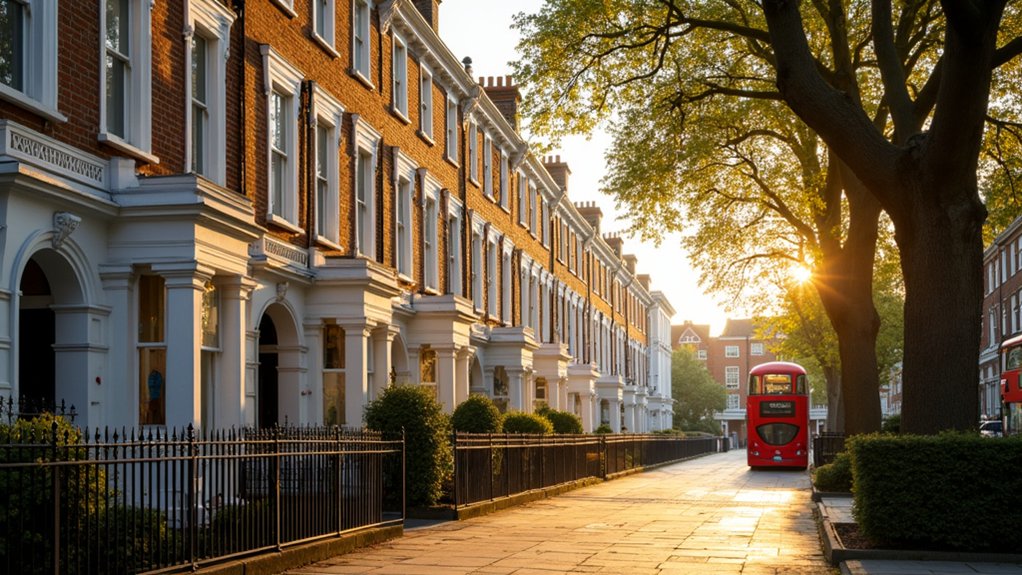
Is Hammersmith right for period homebuyers? If you value character, connectivity, and long-term livability, it deserves serious consideration.
You’ll find a mature West London setting where established streets, local services, and dependable transport support daily life without sacrificing architectural appeal. Architectural preservation remains important, helping protect the visual identity that gives the area its enduring value.
At the same time, Neighborhood renovation continues to improve public spaces, amenities, and housing quality, creating opportunities for thoughtful investment and comfortable living. You should assess each property’s condition, maintenance requirements, and potential renovation costs before committing.
Consider how noise, parking, outdoor space, and commuting priorities align with your plans. With realistic expectations and professional advice, you can decide whether Hammersmith offers the balance of heritage, practicality, and future resilience you want.
Which Period Homes Are Found in Hammersmith?
You’ll find Victorian terraced houses in Hammersmith, offering period façades, compact layouts and strong architectural character.
Edwardian mansion blocks provide a different option, with generous proportions, communal entrances and distinctive decorative details.
Understanding these property types helps you assess which best suits your lifestyle and investment aims.
Victorian Terraced Houses
Victorian terraced houses form much of Hammersmith’s period-home character, particularly around Brackenbury Village, Brook Green, and Ravenscourt Park. As you explore these streets, you’ll find compact, well-proportioned homes built during Hammersmith’s nineteenth-century expansion. Their repeated façades create a cohesive townscape, while individual alterations give each property its own appeal.
Look for defining architectural details such as London stock-brick elevations, painted brickwork, sash windows, decorative ironwork, projecting porches, and narrow front gardens. Many houses also retain ceiling roses, fireplaces, cornicing, and timber staircases, although you’ll need to assess surviving features carefully during a viewing.
Their historical significance adds tangible character, but period construction can bring practical considerations, including restricted layouts, ageing services, and conservation controls. You should balance original charm against renovation costs, natural light, storage, and your intended lifestyle before making an offer.
Edwardian Mansion Blocks
Beyond Hammersmith’s Victorian terraces, Edwardian mansion blocks offer a different form of period living, combining generous proportions with the convenience of purpose-built flats. You’ll often find high ceilings, large sash windows, ornate entrances, tiled halls, and communal staircases that reflect confident early-twentieth-century design. These architectural details create character while giving you more adaptable space than many traditional terraces.
However, you should assess renovation challenges carefully before buying. Listed-building controls, lease restrictions, shared maintenance responsibilities, and ageing plumbing or electrical systems can affect your plans and budget.
Some blocks also lack lifts, private gardens, or modern insulation, although well-managed buildings may offer excellent security and established communal standards. If you value period atmosphere, practical layouts, and proximity to Hammersmith’s transport connections, an Edwardian mansion block could provide a compelling compromise.
Where Are Hammersmith’s Best Period Streets?
Hammersmith’s finest period streets cluster around Brook Green, Brackenbury Village and the residential roads near Ravenscourt Park, where Victorian and Edwardian terraces retain their original proportions, brickwork and stucco detailing.
As you explore, look for quiet stretches of Kelmscott Road, Cardross Street and St Peter’s Grove, where bay windows, sash windows and decorative ironwork create a strong sense of place.
Brackenbury Village offers particularly cohesive terraces, while Brook Green combines elegant villas with leafy outlooks. Near Ravenscourt Park, you’ll find wider plots, garden-facing homes and handsome red-brick façades.
Compare Architectural styles street by street, rather than judging a property in isolation. Check conservation guidance before planning changes, and use practical Renovation tips: preserve original features, repair timber sensitively and match mortar carefully.
These details protect character and long-term appeal.
How Much Do Hammersmith Period Homes Cost?
Once you’ve compared Hammersmith’s period streets, the next question is what those architectural qualities mean for the asking price. Period homes typically command a premium, but values vary considerably by street, size, condition, and remaining original features.
A carefully preserved Victorian terrace may cost more than a larger, extensively altered property, while a handsome façade doesn’t guarantee strong internal value. You’ll need to compare recent local sales, not just current listings, and assess whether the price reflects usable floor area.
Budget separately for surveys, legal costs, and potential property renovation, particularly where older roofs, wiring, plumbing, or windows need attention. Historical architecture can enhance long-term appeal, yet conservation restrictions may limit alterations and increase project costs.
A realistic budget should include contingency funds before you make an offer.
How Strong Are Hammersmith’s Transport Links?
Hammersmith offers unusually strong transport links for a west London neighbourhood, with two Underground stations—Hammersmith and Barons Court—providing access to the District, Piccadilly, and Hammersmith & City lines.
You’ll also find frequent buses along King Street, Hammersmith Broadway, and Fulham Palace Road, while nearby rail services at Kensington (Olympia) expand your options. This network makes public transport practical for daily journeys across central and west London.
You can reach Heathrow directly on the Piccadilly line, an advantage for frequent travellers, and interchange easily between lines at Hammersmith’s integrated stations.
Cyclists benefit from routes along the Thames and quieter residential streets.
Actual commute times depend on your destination and service conditions, but the area generally gives you flexibility, reliable connections, and fewer car-dependent journeys than many west London alternatives.
How Much Does Commuting From Hammersmith Cost?
Those strong connections come with commuting costs that vary according to your destination, travel frequency, and ticket choices. If you travel into central London regularly, you’ll typically pay more than someone working within west London.
Your fare depends on the zones covered, the services you use, and whether you travel during peak periods. Oyster pay-as-you-go and contactless payments can help you avoid buying unnecessary paper tickets, while weekly or monthly Travelcards may reduce costs for frequent commuters.
Compare the daily cap with season-ticket pricing before choosing. You should also budget for occasional rail supplements, bike hire, taxis, or delays that force alternative travel.
These transportation expenses can materially affect your monthly housing budget, so calculate realistic commuting costs alongside rent or mortgage payments before deciding whether Hammersmith suits you.
What Are Hammersmith’s Amenities and Lifestyle Like?
You’ll find riverside dining and leisure along the Thames, creating an appealing setting for relaxed evenings and weekends.
Hammersmith’s shops, parks and cultural venues give you practical variety without sacrificing local character.
Together, these amenities support a convenient, well-connected lifestyle for period-home residents.
Riverside Dining And Leisure
Along the Thames, riverside dining and leisure give Hammersmith a relaxed lifestyle without sacrificing urban convenience. You can settle into Riverside cafes for coffee, lunch, or an unhurried evening meal, often with views across the water and a welcome break from busy streets.
The riverfront also supports an active routine: you can walk beside the Thames, meet friends outdoors, or watch crews and rowers moving through the water. Leisure boating adds another dimension, offering opportunities to explore the river at a gentler pace and experience familiar surroundings differently.
With restaurants, pubs, and waterside venues close to transport connections, you won’t need to compromise accessibility for atmosphere. For period-home buyers, this balance makes Hammersmith feel connected, sociable, and invigoratingly easy to enjoy.
Shopping, Parks And Culture
Hammersmith brings everyday shopping, generous green space, and a lively cultural scene within easy reach. You’ll find practical stores and independent traders around King Street and Hammersmith Broadway, while nearby Kensington and Chelsea offer luxury boutiques for a more polished retail experience.
The area’s markets add character, giving you fresh produce, street food, and useful household finds without travelling far.
When you want to escape the bustle, you can walk through Ravenscourt Park, with its open lawns, mature trees, children’s facilities, and tennis courts. Hammersmith Park and the Thames Path provide further opportunities for exercise and relaxation.
Culture remains accessible, too. You can catch performances at Riverside Studios or explore art galleries and exhibitions across west London.
This balance of convenience, greenery, and creativity gives Hammersmith a genuinely liveable lifestyle.
What Should You Check Before Buying a Period Home?
Before committing to a period home, assess its structural condition, legal status and likely repair costs—not just its original features. Commission a full survey from a specialist who can identify subsidence, damp, timber decay, roof movement and outdated wiring or plumbing.
Check whether the property sits within a conservation area or has listed status, as Architectural preservation rules may restrict windows, extensions, materials and internal alterations. Ask the council for planning history, investigate previous approvals, and confirm that any completed work received the necessary consent.
Your solicitor should review boundaries, rights of way, lease terms and guarantees. Get realistic quotations for renovation challenges, including hidden defects and energy-efficiency upgrades.
Finally, check insurance availability and premiums before exchanging contracts, then negotiate with evidence rather than enthusiasm.
Which Buyers Suit Hammersmith Period Homes Best?
If you value architectural character, established neighbourhoods and strong transport connections, Hammersmith period homes could suit you well. You’ll likely appreciate original fireplaces, sash windows, cornices and generous proportions, particularly if you want a property with personality rather than a standard new-build layout.
These homes suit buyers who can balance lifestyle priorities with practical responsibilities. You’ll benefit from excellent Underground, Overground and bus connections, while nearby parks, riverside walks, schools and amenities support daily convenience.
However, you should have realistic expectations about maintenance and running costs. Architectural features often require specialist care, and renovation challenges may include listed-building restrictions, ageing services, damp, insulation limitations and expensive structural work.
If you value authenticity and can budget for improvements, Hammersmith’s period properties could offer lasting appeal. Buyers seeking low-maintenance, turnkey accommodation may find newer homes more suitable.
Frequently Asked Questions
Are Hammersmith Period Homes Typically Energy-Efficient?
Hammersmith period homes aren’t typically energy-efficient, as Historical architecture often includes solid walls, sash windows, and older services. You’ll improve comfort and running costs with Modern insulation, draught-proofing, secondary glazing, and efficient heating systems.
What Conservation Restrictions Apply to Hammersmith Period Properties?
You’ll face Heritage preservation rules: conservation areas and listed status can restrict extensions, windows, roofs, painting, and demolition. Before altering a period property, secure Planning permissions, consult the council, and verify requirements with specialists.
Are Hammersmith Period Homes Vulnerable to Flooding?
You’ll find some Hammersmith period homes vulnerable to flooding, particularly near the Thames and culverts. Check Environment Agency maps, insurance terms, drainage, and basement levels; Flood risks create preservation challenges when adaptations require listed-building consent.
How Competitive Is the Buying Process for Hammersmith Period Homes?
You’ll find Hammersmith’s period-home market fiercely competitive: desirable properties can vanish like morning mist. Study market trends, secure an accurate property valuation, arrange finance early, and submit a decisive offer when suitable homes appear.
What Schools Are Available Near Hammersmith’s Period Residential Areas?
You’ll find reputable primary and secondary schools near Hammersmith’s period residential areas, including St Paul’s CE Primary, West London Free School, and Godolphin and Latymer. Historical architecture and Local amenities further enhance family appeal.
About the Author