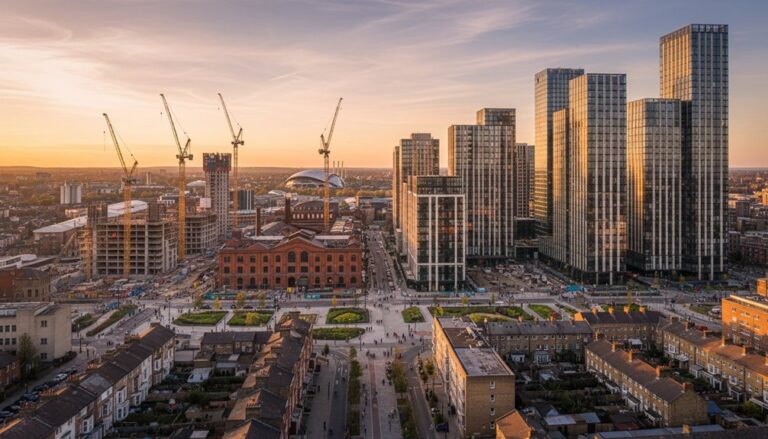
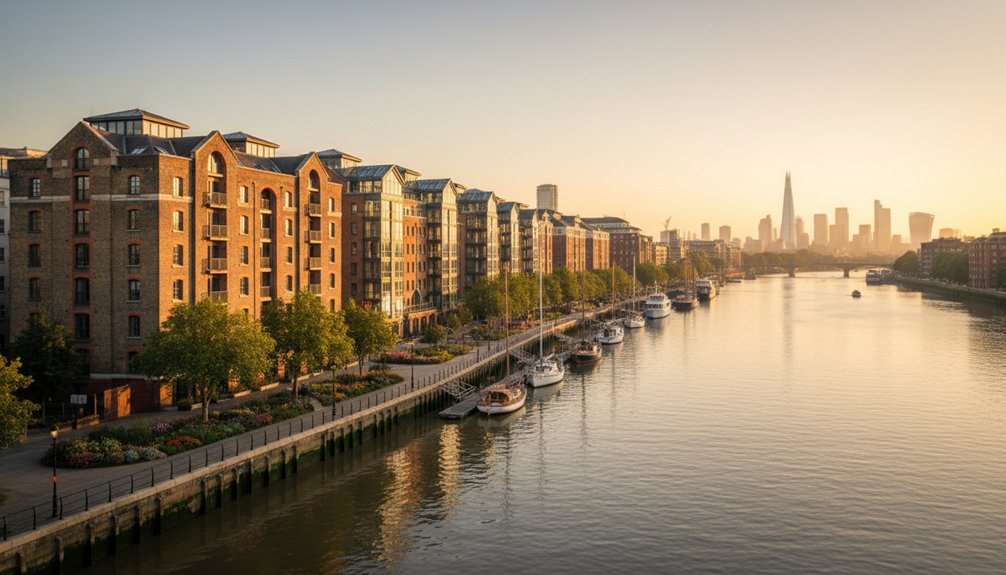
If you’re considering riverside living or a historic conversion, Greenwich deserves a close look. You’ll find Thames views, characterful homes, strong transport links, and a lively mix of markets, parks, and cultural attractions. However, period buildings can bring higher maintenance costs, tighter alterations rules, noise, and parking limitations. Your choice will depend on how much you value heritage and scenery over convenience. The key is knowing which pockets and property types best match your priorities.
Key Takeaways
- Greenwich offers riverside homes, Thames Path access, scenic views, cafés, parks, and cultural attractions, supporting an appealing lifestyle.
- Historic conversions provide character through exposed brick, tall windows, beams, and distinctive layouts unavailable in many new-build developments.
- Transport is generally strong through rail, DLR, buses, and river services, although westbound commutes may require transfers.
- Compare service charges, flood risk, noise, parking, insulation, damp, lease terms, and listed-building restrictions before buying.
- Greenwich suits professionals, families, and downsizers, with property choices ranging from compact apartments to larger historic houses.
Riverside Homes or Historic Conversions in Greenwich?
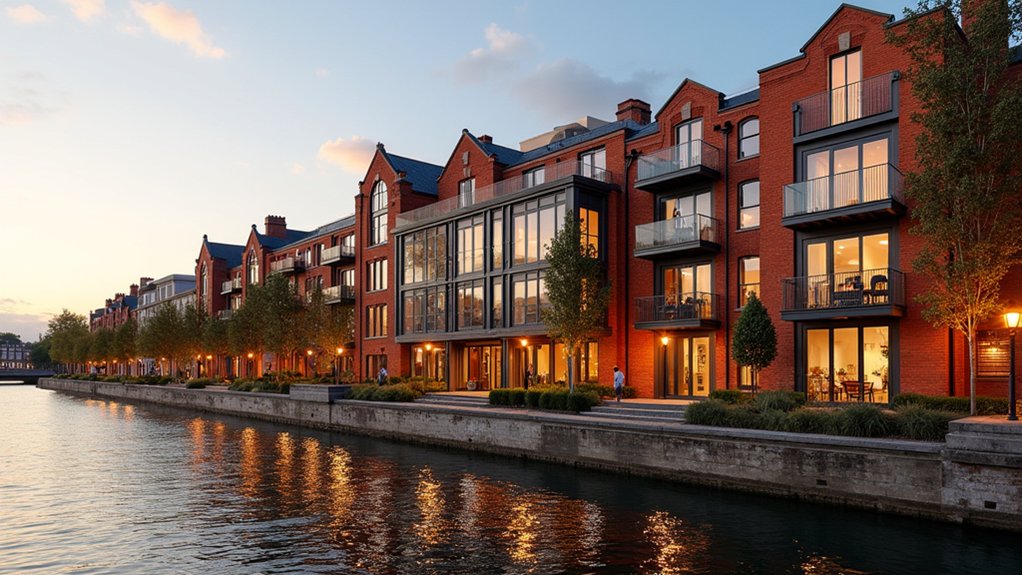
Choosing between riverside homes and historic conversions in Greenwich depends on how you want to live.
Riverside properties typically give you brighter outlooks, larger communal settings, and easier access to riverside parks. You’ll often pay a premium for Harbor views, balconies, and newer finishes, while service charges and flood considerations may affect your budget.
Historic conversions offer more character, including exposed brick, tall windows, original beams, and distinctive layouts. They can appeal if you value architectural detail and a stronger sense of individuality, though listed-building restrictions, uneven insulation, and limited parking may require careful due diligence.
From a market perspective, well-presented examples of both types attract consistent interest. Compare lease terms, maintenance records, transport convenience, and future resale appeal before deciding which home best matches your priorities and lifestyle.
Which Greenwich Areas Offer River Access?
Where can you find genuine river access in Greenwich? Start at Greenwich Peninsula, where riverside walks, public spaces and changing views across the Thames give you an urban waterfront experience. North Greenwich adds leisure facilities and open promenades, although activity and events can make it feel busier.
For a greener setting, head east towards the Thames Path around Thamesmead and nearby Charlton. You’ll find broad Waterfront parks, wildlife habitats and quieter stretches, but direct access varies with tides, barriers and redevelopment.
Greenwich town centre offers the strongest historic riverside atmosphere, particularly around the Cutty Sark, riverfront pubs and the pier.
At Royal Arsenal Riverside, Woolwich, you’ll find a more modern waterfront with cafés, public squares and Boating amenities nearby. Check public access hours and flood-defence works before planning regular walks or waterside activities.
Which Riverside Homes Are Available in Greenwich?
Riverside homes in Greenwich range from new-build apartments at Greenwich Peninsula and Royal Arsenal Riverside to converted warehouse flats and period houses near the Cutty Sark and Thames Path.
You’ll find compact studios, practical one- and two-bedroom flats, and larger penthouses with balconies, concierge services, gyms, and river views. Luxury apartments typically command premiums for height, outlook, parking, and residents’ facilities, while lower-rise homes can offer more space and character.
Families should compare three- and four-bedroom houses or substantial apartments around Greenwich Peninsula, Westcombe Park, and nearby Thames-side streets. These family-friendly neighborhoods provide parks, schools, transport links, and everyday shops, though prices vary sharply by tenure and exact position.
Check service charges, flood-risk information, lease terms, and construction quality before you commit. Consider your commute and future resale demand, too.
Where Can You Find Historic Conversions?
You’ll find historic conversions around Woolwich Arsenal, where restored industrial buildings offer character alongside modern amenities.
Royal Arsenal Riverside adds newer waterside development, while Greenwich Peninsula warehouses provide a more distinctive, limited-market option.
Each area differs in heritage, transport links, and pricing, so your priorities should guide the comparison.
Woolwich Arsenal Conversions
Woolwich Arsenal is one of southeast London’s most distinctive historic-conversion locations, where former military workshops, warehouses, and officers’ buildings have been adapted into characterful homes.
As you explore these properties, you’ll find exposed brick, vaulted ceilings, original beams, and generous proportions alongside kitchens, bathrooms, and heating that meet modern expectations. Some apartments benefit from Harbor views, while others overlook landscaped courtyards or retain glimpses of the site’s military heritage.
Prices vary considerably, reflecting building quality, floor level, outdoor space, and proximity to transport. You should also check lease terms, service charges, and listed-building restrictions before committing, as maintenance can cost more than in newer developments.
For buyers seeking identity and convenience, these conversions offer genuine architectural appeal, though you’ll need to balance period character against layout, light, and long-term resale demand.
Royal Arsenal Riverside
Within Woolwich Arsenal, Royal Arsenal Riverside offers one of the strongest concentrations of historic conversions, set among restored military buildings, new apartments, cafés, and the Thames Path. You’ll find character homes in former workshops, officers’ quarters, and listed industrial structures, often paired with modern insulation, lifts, and concierge services.
Marina views and generous riverside walks add genuine lifestyle appeal, while Riverfront dining gives the neighbourhood an active feel beyond commuting hours. Property values can vary sharply between original conversions and newer developments, so you should compare service charges, lease terms, outlook, and renovation quality carefully.
The Elizabeth line improves connections into central London, strengthening rental demand, although the area can feel busy during events. If you want history without sacrificing amenities, this remains a compelling choice.
Greenwich Peninsula Warehouses
Although Greenwich Peninsula is better known for contemporary regeneration than rows of period homes, a small number of warehouse-style conversions can still be found around its older industrial edges and near the Thames. You’ll need to search selectively, as most available homes sit within newer apartment schemes rather than genuinely converted industrial buildings.
Streets near Millennium Village and the Peninsula’s southern approaches offer occasional loft-style layouts, exposed materials, and generous floorplans, though architectural authenticity varies. For you, the appeal lies in combining industrial character with Greenwich waterfront access, excellent riverside walks, and improving cultural amenities.
Historic architecture remains limited compared with nearby Woolwich or Deptford, so check planning histories, communal charges, and renovation quality carefully. These properties can command premiums, but newer developments often provide stronger facilities and more predictable maintenance.
How Much Does Greenwich Property Cost?
Greenwich property prices vary sharply by postcode, period features, proximity to the river and access to transport, with period conversions and well-connected riverside homes commanding a premium.
You’ll generally pay more for renovated warehouses, listed apartments and modern developments offering concierge services, balconies or river views.
Smaller flats can provide a more accessible entry point, while family houses around West Greenwich, Blackheath borders and the village typically command stronger prices.
Luxury amenities may justify a higher price, but check service charges, lease length, ground rent and planned major works before committing.
Local market trends can shift quickly between micro areas, so compare recent sold prices rather than relying on asking prices.
A specialist valuation will help you judge whether character, condition and location genuinely support the premium.
Consider your budget beyond the headline price.
How Easy Is It to Commute From Greenwich?
With several reliable routes into central London, Greenwich is a practical base for commuters, though journey times depend on your exact postcode and destination.
You can reach London Bridge quickly by train from Greenwich station, while the DLR connects you with Canary Wharf, Bank and Stratford via Cutty Sark or Greenwich.
For wider river connections, Uber Boat services link Greenwich Pier with central destinations, although frequency and fares may not suit every daily schedule.
Buses add useful local coverage but can slow during peak traffic.
If you work in the City or Docklands, you’ll generally find the commute straightforward; westbound journeys usually require a change.
Riverfront amenities and scenic views make waiting or travelling by river appealing, but proximity to transport varies greatly between historic conversions, riverside developments and quieter residential streets.
What Are the Everyday Pros and Cons?
You’ll enjoy riverside walks, open views and a strong sense of place, with Greenwich’s cafés, parks and transport close at hand.
However, you may face higher prices, tourist activity, flood-risk considerations and limited parking, depending on the conversion and exact location.
Weigh how much the lifestyle benefits matter against these everyday practicalities before you commit.
Riverside Lifestyle Benefits
Living beside the Thames gives you an appealing daily rhythm: open views, riverside walks and quick access to Greenwich’s restaurants, culture and transport links.
Waterfront amenities, including cafés, leisure facilities and public spaces, make it easier for you to exercise, meet friends or enjoy an unplanned evening outdoors. Scenic views also bring genuine value, particularly in homes with balconies, terraces or broad living-room outlooks; they can strengthen both daily enjoyment and buyer appeal.
You’ll benefit from Greenwich’s strong mix of heritage and modern convenience. The riverside connects you with the Cutty Sark, Greenwich Market, the Royal Observatory and green spaces.
While DLR, rail and river services support commuting across London, for buyers, that combination can make converted warehouses and newer apartments feel distinctive rather than merely practical. You’ll need to compare each building’s outlook, shared spaces and amenities carefully, as quality varies considerably.
Daily Living Drawbacks
Riverside living also brings everyday compromises that you should weigh alongside the views and amenities. You may encounter urban noise from the A2, trains, river traffic, and busy Greenwich attractions, particularly during weekends and summer evenings.
Historic conversions can add character, but listed-building restrictions may limit insulation upgrades, lift installation, storage, or layout changes. You’ll also need to assess service charges carefully: waterfront maintenance, communal facilities, and specialist repairs can raise monthly costs.
Limited parking remains a practical concern, especially near Greenwich town centre and popular riverside destinations; permits and off-street spaces can command a premium.
Damp risk deserves attention in older buildings, so inspect ventilation, windows, and external walls.
If you prioritise quiet, easy parking, and low maintenance, compare streets and developments carefully before committing to a conversion.
What Should You Check Before Buying?
Before buying a Greenwich riverside property, check the building’s tenure, service-charge history, flood-risk designation and any planned major works. Ask your solicitor to review the lease, sinking fund, insurance arrangements and restrictions on alterations, particularly in listed conversions.
Confirm whether the flat has secure parking, allocated storage and adequate bicycle provision, as these details can affect resale appeal.
Inspect windows, roof spaces and communal areas for damp, subsidence or costly maintenance issues, rather than relying solely on staging.
Greenwich combines Victorian terraces, warehouse conversions and newer apartments, so compare architectural styles with construction quality and insulation standards.
Calculate property tax, council tax and likely service charges alongside the mortgage.
Finally, obtain an independent valuation and check local planning applications, especially those affecting views, traffic or riverside access.
Which Buyers Suit Greenwich Best?
Greenwich suits buyers who value character, transport links and access to the Thames, but the right property depends on your priorities. You’ll find strong appeal if you want period architecture, converted warehouses and riverside walks without losing connections into central London.
Professionals may value the Jubilee and DLR links, while families often appreciate established schools, parks and a walkable town centre.
Downsizers can benefit from local services, cultural attractions and manageable distances, although historic homes may involve stairs, conservation restrictions or higher maintenance.
Buyers seeking luxury amenities should focus on newer riverside developments, where concierge services, gyms and secure parking are more common than in traditional conversions.
Investors may see reliable rental demand, but you’ll need to compare service charges, lease terms and yields carefully.
This market suits informed, lifestyle-led purchasers best.
Is Greenwich Right for Your Move?
Could a move to Greenwich give you the character, connectivity and riverside lifestyle you’re looking for? You’ll find leafy streets, strong transport links and the Thames close by, with historic conversions offering distinctive layouts and period detail.
However, older homes can bring higher maintenance costs, limited parking and compromises on insulation or storage.
Your priorities should guide the decision. If you value local architecture, cultural attractions and walkable amenities, Greenwich can feel highly rewarding.
Luxury amenities appear in select developments, though the area’s appeal rests more on heritage and community than uniform modernity.
Compare streets carefully: riverside positions command premiums, while nearby pockets may offer better space and value.
Check lease terms, flood-risk information and renovation restrictions before committing.
Greenwich suits you best if character matters as much as convenience, and you’re comfortable weighing charm against practical trade-offs.
Frequently Asked Questions
Are There Reputable Schools and Nurseries Near Greenwich Riverside Properties?
Yes, you’ll find reputable schools and nursery options near Greenwich Riverside properties. School quality varies by catchment, so check Ofsted ratings, admissions distances, and availability early; local demand can influence property competition and prices.
What Council Tax Bands Are Typical for Greenwich Homes?
You’ll typically find Greenwich homes in bands D–G, though waterfront and larger period properties may reach H. Your Council tax assessment reflects valuation, not current Greenwich property values; check your exact postcode for accuracy.
Are Greenwich Riverside Properties at Risk of Flooding?
Yes, you’ll find some Greenwich riverside properties face Flood risk, particularly near the Thames. Climate change increases long-term concern. Check Environment Agency maps, property flood-resilience measures, insurance availability, and lease documents before committing to purchase.
Which Local Amenities, Shops, and Restaurants Are Open Nearby?
You’ll find supermarkets, independent shops, cafés, pubs, and restaurants open around Greenwich Peninsula and town centre. Enjoy River views, Park access, and strong transport links, though opening hours vary, especially on Sundays and bank holidays.
Can Leaseholders Make Alterations to Historic Conversion Properties?
You can make alterations, but leaseholder rights depend on your lease, conservation-area controls, and listed-building consent. Check freeholder approval, planning requirements, and Historic preservation guidance first; unauthorised work can trigger enforcement, costs, or resale complications.
About the Author