If you’re searching for the perfect balance between London access and extra space, Woking may come remarkably close. You’ll find direct trains reaching the capital in around 25–30 minutes, while areas such as Pyrford, Horsell, and Hook Heath offer larger homes, gardens, and a quieter setting. Prices, commuting costs, and local amenities still vary considerably, so understanding how Woking compares with nearby towns could make all the difference.
Key Takeaways
- Woking offers direct trains to London Waterloo in approximately 25–30 minutes, making daily commuting relatively convenient.
- Compared with many London locations, Woking provides larger homes, gardens, and dedicated office space for families and hybrid workers.
- Neighbourhoods including Pyrford, Horsell, Westfield, and Hook Heath offer quieter roads, wider plots, and varied housing styles.
- Residents benefit from green spaces, good schools, local amenities, leisure facilities, and convenient access to Surrey destinations.
- Higher property prices near the station and significant peak rail fares should be balanced against space, lifestyle, and commuting needs.
Is Woking a Good Commuter Town?
Woking is a strong commuter town if you want faster access to London without giving up space, green surroundings, or everyday convenience. You’ll find a balanced lifestyle here: modern shopping, reliable local services, good schools, and varied housing, from apartments near the centre to larger family homes in leafy neighbourhoods.
The town also offers more than practical convenience. You can enjoy rural tranquility around Horsell Common, Woking Park, and nearby villages. Meanwhile, the town centre continues to benefit from regeneration and improved amenities.
Historic charm appears in places such as St John’s and nearby Pyrford, adding character beyond newer developments.
For buyers, Woking provides a broader choice of property sizes than many London locations, often at more accessible prices. You should compare neighbourhood facilities, parking, outdoor space, and future development plans before deciding.
How Fast Is the Woking-to-London Commute?
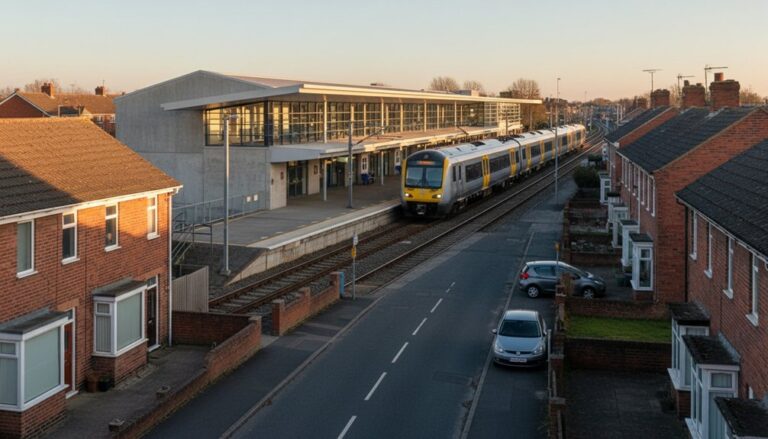
For many commuters, the Woking-to-London journey takes around 25–30 minutes by direct train to London Waterloo, with frequent services during peak hours. You’ll typically find fast, reliable departures, although timings vary by service and engineering works. Check live schedules before leaving, particularly on weekends or during planned disruption.
From Woking station, you can reach the platforms easily from the town centre, while nearby residential areas often offer practical walking, cycling, or bus connections. Modern commuting technology, including rail apps and mobile alerts, helps you track platforms, delays, and cancellations in real time.
Build a small buffer into your routine, especially if you’ve got a meeting shortly after arrival. For travel safety, stay alert during early or late journeys and use well-lit routes. The short rail journey gives you London access without sacrificing valuable evening time.
What Does Commuting From Woking Cost?
Although the 25–30-minute train journey is a major advantage, commuting from Woking still carries a significant cost, with peak-time fares to London Waterloo often making rail travel one of the largest monthly expenses.
If you travel daily, compare season-ticket prices with flexible and carnet options, particularly if you work from home several days a week. Railcards may reduce fares, although eligibility and peak-time restrictions vary.
You should also budget for parking, station drop-offs, bus connections, or occasional taxis, as these transportation expenses can quietly increase your monthly total.
Check the latest fares before choosing a property, and model costs around your actual office schedule rather than assuming a standard five-day commute.
For many households, careful planning keeps commuting costs manageable, but convenience usually comes at a premium.
How Much Do Woking Homes Cost?
How much you’ll pay for a home in Woking depends on its location, size, condition, and proximity to the station. Central properties and homes within easy walking distance of Woking station typically command a premium, reflecting strong demand from London commuters.
You may find more affordable pricing in neighbourhoods farther from the centre, particularly if you’re willing to examine local bus or cycling connections. The wider property market includes a broad range of prices, so set your budget around both the purchase price and likely mortgage, council tax, maintenance, and commuting costs.
Recent listings can help you understand local value, but asking prices aren’t always final sale prices. Before offering, compare similar nearby sales and check how long properties have remained available.
A local estate agent can provide realistic, current guidance.
What Types of Homes Are Available in Woking?
You’ll find period homes and cottages in Woking’s established villages, offering character and gardens.
Modern apartments suit commuters seeking convenient, lower-maintenance living near the station and town centre.
For more space, explore family houses and townhomes in popular neighbourhoods such as Horsell, Knaphill, and Goldsworth Park.
Period Homes and Cottages
If you’re drawn to character, Woking’s period homes and cottages offer a distinctive alternative to newer developments, from Victorian terraces near the town centre to older cottages in villages such as Pyrford and Horsell. You’ll find historic charm in features such as sash windows, fireplaces, exposed beams and generous ceiling heights.
Cottage architecture often brings smaller rooms, uneven floors and quirky layouts, so you should inspect insulation, roofing, plumbing and electrics carefully.
Many period properties have benefited from thoughtful extensions, creating better kitchen and living space while retaining their original appeal.
Location affects value: homes close to Woking station may command a premium, while village cottages offer a quieter setting and potentially longer commutes.
Check conservation restrictions before planning alterations, and budget for ongoing maintenance alongside your purchase costs.
Modern Apartments
Modern apartments in Woking range from practical one-bedroom homes to spacious penthouses, with many concentrated around the town centre and station. If you’re commuting, you’ll value shorter walks to trains, shops, restaurants, and cafés.
Newer developments often feature open-plan kitchens, balconies, secure entry systems, and energy-efficient heating, while premium schemes may add concierge services, residents’ lounges, gyms, and other luxury amenities.
Look closely at service charges, parking arrangements, storage, and building management before you commit. A well-designed apartment can offer modern design and low-maintenance living, particularly if you spend weekdays in London.
You’ll also find differences in outlook: higher floors provide better views and light, whereas central locations may bring more traffic noise.
Compare lease terms and resale demand, as station-adjacent properties typically attract strong commuter interest.
Family Houses and Townhomes
For more space and flexibility, Woking’s family houses and townhomes are concentrated in established neighbourhoods such as Horsell, Knaphill, and St John’s, as well as newer developments on the town’s outskirts. You’ll find everything from Victorian terraces and semi-detached homes to contemporary three- and four-bedroom houses.
Older properties often offer historic charm, larger gardens, and scope for renovation, while newer townhomes typically provide energy efficiency, allocated parking, and practical layouts for busy families. If you’re upgrading from an apartment, compare garden size, storage, and commuting routes carefully; journey times can vary markedly by neighbourhood.
Luxury upgrades, including converted lofts, bespoke kitchens, and garden offices, can command a premium, but they may improve long-term appeal. Local agents can help you assess value, school catchments, and future resale prospects before you commit.
Which Woking Areas Offer the Most Space?
If you’re seeking more room, family-friendly areas such as Horsell, Knaphill and Goldsworth Park offer larger homes and practical layouts.
You’ll also find spacious properties around St John’s and Mayford, often with more generous gardens than homes closer to Woking station.
For extra outdoor space, compare these neighbourhoods with nearby green areas, but weigh garden size against commute times and local amenities.
Spacious Family Neighbourhoods
When space is a priority, Woking’s family-friendly neighbourhoods offer larger homes, greener surroundings, and practical access to schools and rail links.
Horsell appeals if you want village character, broad streets, and easy access to Horsell Common, while Hook Heath provides a quieter, leafy setting close to Woking station.
Pyrford suits you if open countryside, canalside walks, and well-regarded schools matter, with a more established suburban feel.
Kingfield and Westfield can offer better value, generous green spaces, and straightforward routes towards the town centre.
You’ll also find luxury estates and occasional waterfront properties around the wider area, although these tend to command premiums.
Compare local amenities, traffic patterns, and walking distances before choosing; the right neighbourhood balances outdoor space, daily convenience, and a manageable commute without sacrificing family-friendly surroundings.
Larger Homes Near Woking
The most space near Woking is often found in Horsell, Pyrford, Hook Heath, Kingfield, and Westfield, where detached and semi-detached homes tend to have wider plots, gardens, driveways, and additional reception rooms.
You’ll generally find the largest floorplans on quieter residential roads, although prices vary considerably by condition, plot size, and proximity to the station.
Hook Heath is particularly associated with substantial properties and Luxury estates, while Pyrford and Horsell offer a mix of period houses and generously extended family homes.
If character matters, Historic districts and older streets can provide impressive proportions, but they may need modernisation or have planning constraints.
Check parking, storage, and commuting routes during viewings. A local agent can help you compare usable space, renovation potential, and realistic asking prices across each area before you make an offer.
Green Areas With Space
For more space without giving up access to nature, look at areas such as Horsell, Pyrford, Westfield, and Hook Heath, where larger homes often sit near commons, woodland, playing fields, or riverside paths. You’ll typically find wider plots and quieter roads here than around central Woking, although prices and property styles vary considerably.
Horsell offers convenient access to Horsell Common, while Pyrford appeals if you value canalside walks and village character. Westfield provides a more rural setting, with larger gardens and easy access to countryside routes. Hook Heath combines leafy streets with strong rail connections via Woking station.
Check walking times, flood considerations near waterways, and maintenance costs for sizeable gardens. Nearby urban parks and green spaces can also add everyday value when private outdoor space is limited.
How Does Woking Compare With Nearby Towns?
If you’re weighing Woking against nearby towns, you’ll find a strong balance of space, connectivity and everyday convenience. Compared with busier Guildford, Woking often gives you more house for your budget, while still supporting a practical London commute.
Surbiton can offer faster rail access, but its property prices typically reflect that advantage. Smaller towns such as Farnham provide character and a calmer pace, though you may trade some journey flexibility and housing choice.
Woking’s urban development has reshaped parts of the centre, creating a more modern feel than towns where local history dominates the streetscape. That mix means you’ll see newer apartments alongside established residential areas.
For buyers, the key comparison is value: Woking generally sits between premium commuter locations and less connected alternatives. Check each neighbourhood’s travel route, housing stock and future plans before deciding.
Which Amenities Make Woking Convenient?
Daily convenience is one of Woking’s strongest advantages, with the town centre offering supermarkets, independent shops, cafés, restaurants and essential services within easy reach of the station. You’ll also find pharmacies, banks, gyms and professional services close by, reducing the need for frequent trips elsewhere.
The Peacocks Centre adds further choice, while Woking Market brings regular traders and fresh produce into the centre.
Public transport makes wider errands straightforward: buses connect surrounding neighbourhoods, and the railway station provides frequent services towards London, Guildford and other Surrey destinations.
For families, local amenities include well-regarded schools, nurseries and healthcare facilities, although checking catchment areas remains essential before you buy.
When viewing homes, consider walking routes, parking and peak-time access, as these practical details can affect everyday convenience and property appeal.
Does Woking Offer a Better Work-Life Balance?
Woking gives you flexible commuting options, with fast rail links and practical routes for hybrid working.
You can often secure more space than in central London, making home life more comfortable.
That combination may reduce daily stress and create a healthier work-life balance.
Flexible Commuting Options
With fast, frequent trains to London Waterloo and several routes into the capital, Woking gives commuters more flexibility than many Surrey locations. You can reach central London in around 25–30 minutes, while direct services and nearby road links support varied working patterns. That choice matters if you weigh your options between home, the office, and client visits.
Woking’s transport infrastructure also makes it easier to consider employers across different parts of the capital without changing location. Before you buy, check peak-time journey times, season-ticket costs, and the walking distance from your prospective home to the station.
Strong connectivity can support rental demand and long-term property investment, particularly for homes within convenient walking distance. You’ll also find bus connections serving surrounding villages, giving you practical alternatives when rail disruptions affect your commute.
More Space, Less Stress
If you’re exchanging a small London flat for a home in Woking, you’ll typically gain more living space, access to green areas, and quieter residential streets without giving up a manageable commute.
That extra room can create a dedicated office, garden, or family area, making weekdays feel less compressed. Woking’s suburban lifestyle also puts parks, schools, leisure facilities, and everyday shops within easier reach than many outer London neighbourhoods.
You’ll avoid some urban sprawl, while still benefiting from direct rail connections into the capital. However, check your exact journey, station parking needs, and peak-time costs before committing.
Local streets vary considerably, so compare noise, walking routes, and housing layouts during a viewing. If you value breathing space and practical convenience, Woking could improve your work-life balance.
Who Is Woking Best For?
For households seeking more room without giving up access to London, Woking can be a practical middle ground. You’ll suit the area if you value a manageable commute, larger homes, and green space over living in the capital’s busiest neighbourhoods.
Families often benefit from respected schools, parks, sports facilities, and quieter residential streets, while professionals can reach London Waterloo quickly by train.
Woking also works well for couples planning ahead: you may find better value and room to create an office than in many London districts. However, you’ll need to contemplate peak fares, station parking, and your tolerance for commuting.
Local dining continues to expand, and cultural events at venues such as The Lightbox add variety.
If you want city access with a more settled daily rhythm, Woking deserves serious consideration.
Frequently Asked Questions
What Are Woking’s Schools and Catchment Areas Like?
Woking’s schools are generally well regarded, with strong primaries and respected secondaries, but catchment boundaries shift yearly. Check Surrey admissions maps early, compare local housing markets, and weigh commuting options before choosing your postcode.
How Safe Is Woking for Families and Professionals?
You’ll generally find Woking safe for families and professionals, with Crime rates varying by neighbourhood. Check Surrey Police data, visit streets after dark, and speak with residents to assess community safety before choosing your home.
Are There Parks, Green Spaces, and Walking Routes in Woking?
You can enjoy parks, green spaces, and walking routes throughout Woking. For example, you might stroll Horsell Common after work. Parks and recreation remain strong, while green spaces accessibility supports families, professionals, and active lifestyles.
What Cultural and Entertainment Activities Are Available in Woking?
You’ll find local art at the Lightbox, live theatre at New Victoria Theatre, cinema, galleries, and regular music festivals. Explore Woking’s cultural calendar for seasonal events, family activities, comedy, concerts, and independent performances nearby.
How Easy Is It to Access Healthcare Services in Woking?
You’ll find healthcare accessibility strong in Woking, with Woking Hospital nearby and numerous GP practices, dentists, and pharmacies. Public transportation helps you reach specialist services in Guildford or London, though register early for popular practices.
About the Author