If you’re weighing a career move while seeking more personal time, Gloucester may offer the coincidence of city access and a calmer daily pace. You’ll find jobs across healthcare, education, manufacturing, and services, with practical links to nearby employment centres. Housing and green space can support a manageable lifestyle, though transport, wages, and location bring trade-offs. Remote workers may benefit further—but how does Gloucester compare with nearby cities and your priorities?
Key Takeaways
- Gloucester offers manageable commutes, accessible green spaces, and opportunities for hybrid working, supporting a healthier daily routine.
- Employment spans healthcare, education, aerospace, manufacturing, technology, retail, and professional services, with training and progression opportunities.
- Strong rail, road, bus, walking, and cycling connections make commuting practical, though peak traffic and limited public transport can be drawbacks.
- Housing and living costs may be lower than Bristol or Cheltenham, but demand, rental competition, and variable property prices require careful budgeting.
- Gloucester suits people seeking a practical, characterful city with community amenities, while those wanting extensive cultural or dining options may prefer Bristol.
Is Gloucester Good for Work–Life Balance?
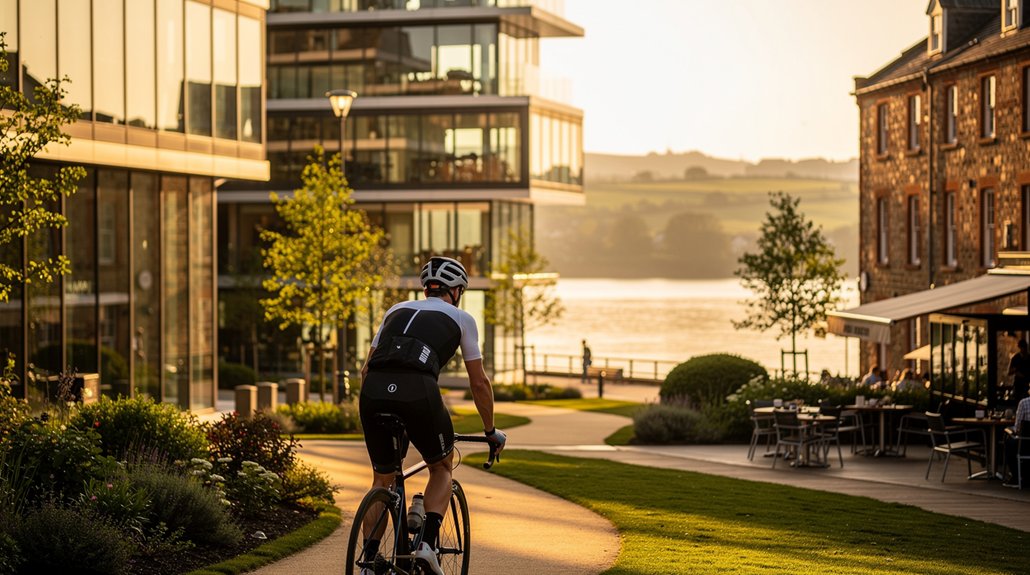
Gloucester can support a healthy work–life balance, particularly if you value a manageable commute, access to green spaces, and a strong local community. You can often reach nearby towns without facing the pressure of a major-city journey, leaving more time for rest, family, or personal interests.
The city’s parks, riverside paths, and surrounding countryside give you practical ways to exercise and unwind. Work flexibility can improve your routine further, especially when your employer supports hybrid schedules or adaptable hours.
You’ll also find social opportunities through community groups, sports clubs, cultural events, and independent cafés. However, you should consider traffic, public transport limitations, and occasional housing costs before deciding.
Gloucester won’t suit everyone, but it can offer a balanced lifestyle if you choose your location and routine carefully.
What Jobs Are Available in Gloucester?
You’ll find jobs across Gloucester’s key sectors, including aerospace, health care, education, manufacturing, retail, and professional services.
Major employers such as Gloucestershire Hospitals NHS Foundation Trust, the University of Gloucestershire, and aerospace firms provide varied career paths.
Growing opportunities in technology, renewable energy, and specialist engineering could also support your long-term plans.
Key Employment Sectors
Several strong employment sectors make Gloucester a practical choice for people seeking career flexibility alongside a manageable lifestyle. You’ll find opportunities across healthcare, education, retail, hospitality, manufacturing, logistics, construction, and professional services. These fields offer varied entry points, from apprenticeships and practical roles to specialist and managerial positions.
Gloucester’s public, cultural, and visitor economies also support work in administration, events, tourism, and community services. If you prefer independent work, the Local startup scene provides opportunities to join small businesses or develop your own venture.
Tech industry growth is creating demand for digital marketing, software, data, cybersecurity, and technical support skills, although the market remains smaller than in major cities. You’ll need to compare salary levels, commuting requirements, and progression prospects carefully, but the sector mix can help you build a sustainable career locally.
Major Local Employers
When you’re evaluating job options in Gloucester, major employers can provide useful stability and a clearer route for career progression. Gloucestershire Hospitals NHS Foundation Trust offers roles across healthcare, administration, estates, and support services.
The University of Gloucestershire provides academic, technical, and professional positions. You’ll also find opportunities with Gloucester City Council, Gloucestershire College, and established engineering, manufacturing, logistics, and retail companies around the city and nearby business parks.
These organisations can offer structured contracts, workplace benefits, and accessible commuting options, although vacancies and salaries vary by department.
Tourism and hospitality employers add flexible work, particularly around Local festivals and attractions near historic landmarks.
Check each employer’s recruitment pages, travel requirements, and working patterns before applying, so you can compare employment security with the lifestyle you want locally.
Growing Career Opportunities
Gloucester’s job market is broadening beyond traditional public-sector and industrial roles, creating opportunities in digital services, engineering, healthcare, education, logistics, construction, and professional support. You’ll find vacancies with established employers, growing small businesses, and organisations serving the wider county.
Gloucester’s location also supports commuting and hybrid roles linked to Cheltenham, Bristol, and the Midlands.
For career growth, look for employers investing in apprenticeships, professional training, and internal progression. Healthcare, engineering, technology, and education can offer clearer development routes, although competition varies by field.
You should also assess salary levels, commute times, flexibility, and work culture rather than focusing on job titles alone. Some sectors still face skills shortages, while others depend on short-term contracts or modest pay.
How Easy Is Commuting From Gloucester?
Gloucester offers manageable commuting options, whether you work locally or travel to nearby cities. You’ll find good commuting convenience across the city, with frequent local buses connecting residential areas, the centre, and major employment sites.
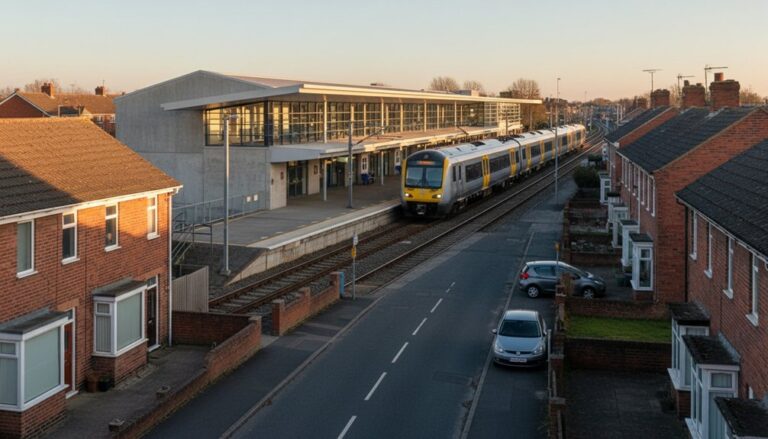
Gloucester railway station provides direct services to Cheltenham, Bristol, Swindon, and Cardiff, making regional travel practical for many workers. Journey times vary, so you should check peak-hour schedules before accepting a role or planning regular office days.
If you drive, the M5 gives you straightforward access to Bristol, Cheltenham, and Birmingham, although congestion can affect reliability during busy periods.
Cycling and walking work well for shorter journeys, particularly near central neighbourhoods.
What Is the Cost of Living in Gloucester?
When you assess Gloucester’s cost of living, start with housing, which can vary widely by neighborhood and property type.
You’ll also need to budget for daily expenses such as groceries, utilities, transport, and leisure.
Comparing these costs with your income can help you judge whether Gloucester suits your work–life balance.
Housing Costs
Housing costs in Gloucester are relatively high, reflecting strong demand, limited availability, and the city’s coastal location. If you’re renting, expect competition for apartments, particularly near the harbor, downtown, and commuter routes.
Buying can require a substantial budget, with prices varying by property size, condition, and proximity to the water.
Housing affordability improves slightly when you consider older homes, less central streets, or nearby communities, though you may trade walkability for space.
Compare mortgage payments or rent with your income, savings goals, and likely commuting needs before deciding.
Neighborhood diversity gives you meaningful choices: you can prioritize historic character, waterfront access, quieter residential streets, or convenient transport links.
Research insurance, maintenance, and seasonal demand carefully, since these factors can affect your overall housing commitment and long-term financial flexibility.
Daily Living Expenses
Beyond rent or mortgage payments, you’ll need to budget for groceries, utilities, transportation, dining, and everyday services in Gloucester. Grocery prices may vary by store, but shopping at supermarkets, markets, and discount retailers can help you control weekly spending.
Utility bills depend on your property’s size, insulation, and energy use, while council tax adds another regular cost.
You’ll find local buses useful for many journeys, although commuting farther may make fuel or rail fares a significant expense.
Eating out ranges from affordable cafés to higher-end restaurants, giving you flexibility when planning your budget.
For a realistic Cost comparison, compare Gloucester with nearby cities and your current location, not just headline prices.
Is Gloucester Good for Remote and Hybrid Work?
Gloucester can suit remote and hybrid workers who value a manageable city, good rail links and access to green space. Remote flexibility works well if you need quieter surroundings and a shorter commute on home-working days.
You can reach Bristol, Cheltenham and other regional centres by train, making occasional office travel more practical than from many rural locations.
Hybrid benefits include dividing your week between home and a workplace without committing to a long daily journey. However, you’ll need to check broadband availability and workspace suitability before choosing a particular neighbourhood or property.
Some roles may also require regular travel, and rail services can face delays. Gloucester thus offers a sensible base for flexible professionals, provided your employer supports remote working and you plan office days realistically.
Which Amenities Improve Daily Life in Gloucester?
Once your work setup is practical, everyday amenities will shape how comfortable life in Gloucester feels. You’ll benefit from convenient supermarkets, pharmacies, healthcare providers, banks, and reliable transport links, reducing time spent on routine errands.
A varied high street and accessible services can make weekly planning easier, especially if you’re balancing meetings, commuting, and family responsibilities.
You can also enjoy local cuisine through cafés, restaurants, food markets, and independent shops, giving you practical lunch options and enjoyable evenings without lengthy travel.
Libraries, leisure facilities, cinemas, and welcoming pubs add useful ways to relax or meet people.
Community events, including markets, festivals, and local groups, can help you build connections.
Availability and opening hours vary by neighbourhood, so check locations and costs before choosing where to live.
Where Can You Enjoy Green Space in Gloucester?
You can enjoy varied outdoor space in Gloucester, from the views and trails at Robinswood Hill Country Park to the convenient lawns of Gloucester Park.
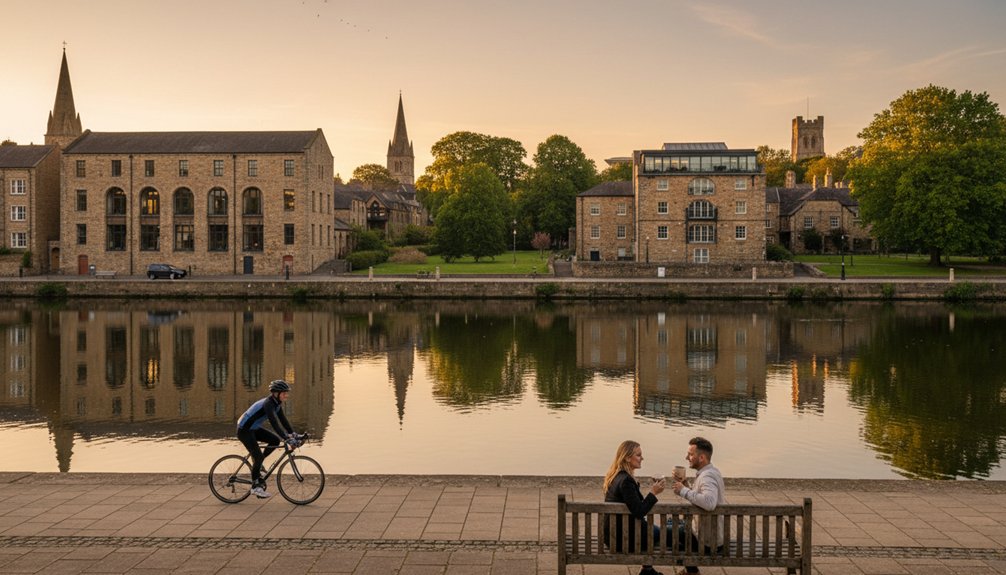
For a waterside break, follow the River Severn walks and choose a route that suits your time and fitness.
Together, these spots make it easier to balance work with fresh air and regular exercise.
Robinswood Hill Country Park
Rising above the city, Robinswood Hill Country Park offers open grassland, wooded paths, and wide views across Gloucester and the Severn Vale. You can choose short walks or climb steadily to the summit, making the park suitable for a quick lunch break or a longer weekend outing.
Benches and viewpoints give you places to pause, while seasonal changes keep familiar routes interesting. The site supports wildlife conservation, with varied habitats attracting birds, insects, and small mammals.
Dogs should remain under control near grazing animals and sensitive areas. You won’t find many facilities, so bring water, suitable footwear, and snacks.
Occasional cultural festivals and community events add interest, although checking dates beforehand helps. For work–life balance, this accessible hill offers exercise, fresh air, and a clear mental reset.
Gloucester Park
Gloucester Park provides a central green space for a quick break, gentle exercise, or relaxed time outdoors. You can use its open lawns for reading, informal games, or a lunchtime reset without leaving the city centre.
Benches and paths make the park accessible for varied mobility needs, although facilities and shade may feel limited during busy periods or hot weather.
Its location supports an easy work–life routine: you can combine a short visit with errands, nearby cafés, and local cuisine. Seasonal events and cultural festivals may add energy and entertainment, but they can also increase noise and footfall.
Check event schedules if you prefer quiet. For regular exercise, you’ll find the park convenient, though it may not replace larger countryside spaces for longer, more demanding outings or extensive activities.
River Severn Walks
Along the River Severn, you can enjoy waterside walks that provide an invigorating change from Gloucester’s busier streets. Follow scenic pathways beside the river, where open views, reeds, and passing boats create a calmer setting for a lunch break or evening stroll.
You can start near the city centre and choose shorter routes, or continue towards quieter stretches if you’ve got more time. These paths suit walking, jogging, and gentle cycling, although surfaces and conditions vary, so wear practical footwear after rain.
River recreation adds variety, but you shouldn’t expect every section to feel fully rural; roads, housing, and industry remain nearby. Still, regular access to water and greenery can help you reset after work without leaving Gloucester, making these walks useful for a balanced routine.
How Does Gloucester Compare With Nearby Cities?
Compared with nearby cities such as Cheltenham, Bristol, and Worcester, Gloucester offers a practical middle ground for work–life balance, combining shorter commutes and lower housing costs with access to major employers, green spaces, and essential services.
You’ll generally find property more affordable than in Cheltenham or Bristol, while rail and road links keep regional employment within reach.
Bristol provides a larger job market, extensive cultural attractions, and broader dining options, but higher rents and busier travel can reduce daily convenience.
Cheltenham offers an attractive centre and strong professional opportunities, though housing costs are often steeper.
Worcester delivers a similarly manageable pace, with a compact centre and good amenities.
Gloucester may feel less cosmopolitan, yet you’ll benefit from practical affordability, improving regeneration, and easy access to the Cotswolds and surrounding countryside.
Who Is Gloucester Best Suited To?
Who benefits most from living in Gloucester? You’re likely to thrive here if you value a manageable city with character, accessible green spaces, and a strong sense of local identity.
Gloucester suits professionals seeking a calmer base while staying connected to regional employment centres, particularly if you work remotely or follow a hybrid schedule.
Families can appreciate practical amenities, schools, and activities that make everyday routines easier.
You’ll also find it appealing if you enjoy history, independent businesses, and community events that help you build social connections.
Food lovers can explore local cuisine, from traditional dishes to modern options in cafés and restaurants.
If you prefer a smaller urban environment with varied interests and a welcoming atmosphere, Gloucester could match your priorities and lifestyle well.
What Are Gloucester’s Biggest Work–Life Trade-Offs?
Gloucester offers a calmer, more manageable lifestyle, but you’ll trade some convenience for that balance. Housing can cost less than in larger cities, and shorter local journeys may give you more personal time.
However, you’ll find fewer major employers, specialist services, and late-night options, so you may need to travel for certain roles or activities.
Work flexibility depends heavily on your industry. Remote work can reduce commuting, but limited public transport and variable broadband outside central areas may complicate hybrid arrangements.
You’ll also need to weigh social opportunities: Gloucester has pubs, cultural events, clubs, and nearby countryside, yet its scene is smaller than Bristol’s or Birmingham’s. If you value quieter evenings, that’s an advantage. If you need constant variety, you might feel restricted.
Your priorities will determine whether the compromise works.
Frequently Asked Questions
What Is Gloucester’s Healthcare Provision Like for Residents and Families?
You’ll find solid Healthcare facilities in Gloucester, including Gloucestershire Royal Hospital and community clinics. Medical services cover routine care, maternity, children’s healthcare, and emergencies, though specialist appointments can involve referrals and waiting times.
Which Schools and Childcare Options Are Available in Gloucester?
Schools span state primaries, secondaries, grammar, and independent options, while nurseries, childminders, and preschool settings support younger children. You’ll need to compare school quality, childcare affordability, availability, Ofsted ratings, admissions, and commuting distances carefully.
How Safe Is Gloucester for Living, Working, and Raising a Family?
You’ll find Gloucester generally safe for living, working, and raising a family, though conditions vary by neighbourhood. Community safety remains solid, while Housing affordability helps families; check local crime data, transport, schools, and amenities before choosing.
What Cultural Events and Entertainment Venues Does Gloucester Offer?
You’ll find Local music festivals, art gallery exhibitions, theatre performances, museums, cinemas, and waterfront events in Gloucester. You can enjoy independent venues, seasonal celebrations, and family activities, though major touring acts require travel to larger cities.
How Welcoming Is Gloucester for Newcomers and Diverse Communities?
You’ll find Gloucester opens its doors wide: community diversity shapes welcoming neighborhoods, while newcomer integration grows through events, schools, clubs, and support groups. You’ll still encounter quieter networks, so connect proactively to build friendships and belonging.
About the Author