
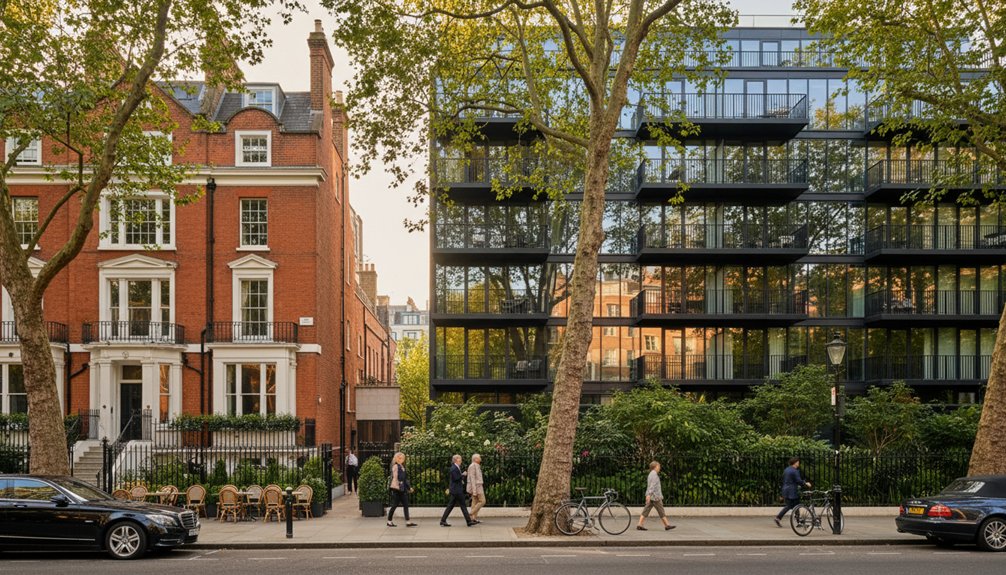
Is the premium for a Chelsea property really justified by its lifestyle and location? For many buyers, the answer depends on how much they value central access, architectural character, cultural amenities, and a strong sense of place. You’ll pay well above London averages, but prime transport links, respected schools, green spaces, and daily convenience can support that premium. Yet Chelsea’s costs and compromises vary sharply by street, tenure, and property type—so where should you focus first?
Key Takeaways
- Chelsea’s excellent transport links provide convenient access to central London, major employment districts, and key travel hubs.
- Its cultural attractions, restaurants, boutiques, green spaces, schools, and village-like community create a highly desirable lifestyle.
- Limited supply, architectural character, and enduring domestic and international demand can support rental appeal and resale values.
- The premium may be less worthwhile for buyers prioritising affordability, rapid capital growth, parking, or lower maintenance costs.
- Buyers should compare recent sales and assess service charges, lease terms, condition, flood risks, planning restrictions, and realistic rental potential.
Is Buying a Chelsea Property Worth the Premium?
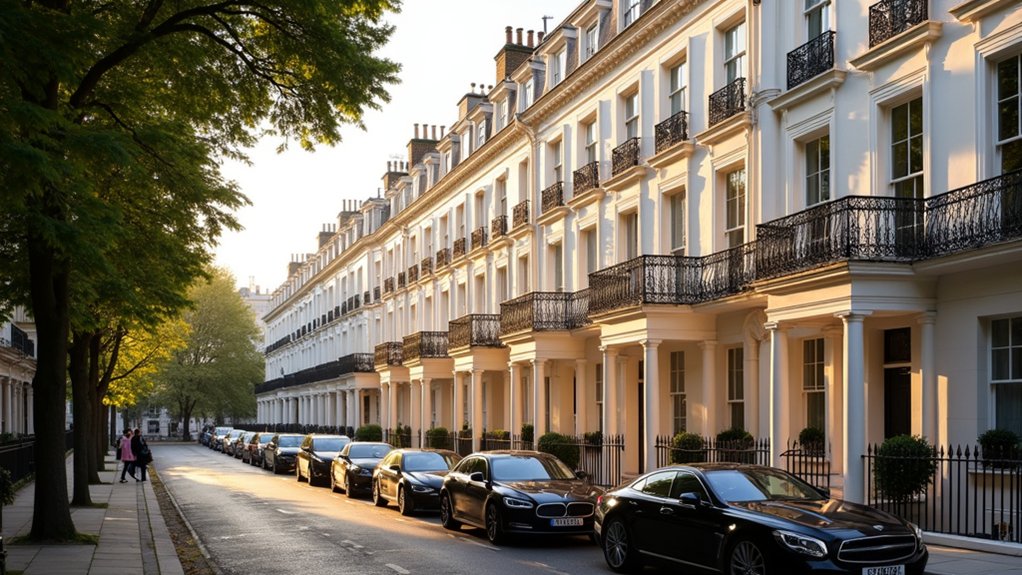
Is buying a Chelsea property worth the premium? For many buyers, the answer depends on how you value character, convenience, and long-term ownership.
You’ll pay more for a home in this established neighbourhood, but you also gain immediate access to attractive streets, independent shops, riverside walks, and central connections.
Chelsea’s Historical significance gives its homes a distinctive identity, while varied Architectural styles range from stucco-fronted terraces to converted flats and carefully designed modern residences.
That variety can support lasting appeal, though period properties may bring higher maintenance costs, conservation restrictions, and less efficient layouts.
Before committing, compare recent sales, service charges, renovation needs, and resale prospects with similar homes nearby.
If you prioritise atmosphere and location over maximum floor space, the premium may feel justified; if value per square foot matters most, look carefully.
What Drives Chelsea Property Demand?
You’ll find Chelsea property demand anchored by its prime Central London location, excellent connections, and enduring neighbourhood appeal.
Its luxury lifestyle—from independent boutiques and fine dining to green spaces and cultural landmarks—attracts both residents and international buyers.
Strong rental prospects and long-term capital resilience can support the premium, though you’ll still need to assess pricing, condition, and market timing carefully.
Prime Central Location
What makes Chelsea property so resilient is its rare combination of centrality and liveability. You’re close to London’s key employment districts, yet Chelsea retains a coherent village-like structure that supports sustained demand. Sloane Square, South Kensington and Victoria are within easy reach, while strong bus and Underground connections help you navigate the wider capital.
That accessibility matters to buyers who value shorter commutes and dependable rental appeal.
Historical architecture adds character, but it’s the location’s practical performance that underpins the premium. You’ll find reputable schools, healthcare, shops and everyday local amenities nearby, reducing reliance on long journeys.
Market evidence suggests well-positioned homes tend to attract deeper buyer pools and hold value better than less connected stock. However, you should still assess transport access, service charges and building condition; Chelsea’s postcode alone doesn’t guarantee value.
Luxury Lifestyle Appeal
Beyond location, Chelsea’s premium is supported by a lifestyle that combines high-end retail, independent boutiques, acclaimed restaurants and cultural institutions within a compact, walkable area. You can move from a quiet coffee on Pavilion Road to designer shopping on Sloane Street, then enjoy galleries, theatres or the Royal Court Theatre without relying on a car.
Period properties often add generous proportions, period detail and discreet luxury amenities, while newer developments may offer concierge services, residents’ lounges and wellness facilities. These conveniences appeal to buyers who value time, privacy and immediate access to culture.
However, the premium isn’t purely about glamour: Chelsea’s village-like streets, green spaces and strong sense of community give daily life a distinctive rhythm. You should assess whether that experience matches your priorities before paying for it.
Strong Investment Potential
That lifestyle can support investment demand, but Chelsea’s appeal rests on more than prestige. You’re buying into limited supply, strong transport links, respected schools, and enduring appeal among domestic and international buyers. These fundamentals help support resale values and rental demand, particularly for well-presented flats near the King’s Road, Sloane Square, or the river.
Still, you shouldn’t treat every Chelsea property as a guaranteed investment. Market trends can shift with mortgage rates, taxation, and buyer preferences.
Period properties may require costly maintenance, while high service charges can reduce rental yields. Property depreciation remains possible when a home is overpriced, poorly configured, or located on a noisy street.
You’ll improve your prospects by comparing recent sold prices, evaluating realistic rental income, and choosing quality, scarcity, and practical transport access over short-term hype.
How Much Do Chelsea Properties Cost?
You’ll find Chelsea property prices sit well above the wider London average, with prime homes often commanding a substantial premium per square foot.
Your budget will vary by location, property type, condition, and proximity to the King’s Road, transport links, and green spaces.
Comparing these factors helps you judge whether Chelsea’s higher prices reflect lasting value or simply its prestigious address.
Average Property Prices
How much do Chelsea properties cost? You’ll typically pay a substantial premium, with average values varying by property type, condition, and exact street.
Flats in well-maintained period conversions often command several hundred thousand pounds, while larger apartments and townhouses can reach several million. Prime homes near King’s Road, Sloane Square, and the river generally sit at the upper end of Chelsea’s market.
Your budget also reflects more than floor area. Historical architecture, private gardens, terraces, parking, and high-quality refurbishment can raise the asking price considerably.
Local amenities, including independent shops, restaurants, galleries, and excellent transport links, help support demand and resale appeal.
Even so, you should compare recent completed sales rather than rely solely on asking prices. Market conditions can shift, so professional valuation advice remains valuable before you commit to a purchase.
Price Per Square Foot
Price per square foot offers a clearer way to compare Chelsea homes than headline asking prices alone. You’ll typically pay a substantial premium for well-presented flats, especially in prime streets near the King’s Road, Sloane Square, and Chelsea Embankment.
Exact figures vary widely by condition, floor level, outdoor space, and tenure, so compare like-for-like properties rather than relying on a single neighbourhood average.
A compact period apartment may command more per square foot than a larger, less finished home, while renovated conversions can sit at the upper end of local pricing.
Historical architecture often attracts buyers, but it can also bring unusual layouts and maintenance considerations.
You should also weigh how Local amenities, transport access, and usable space affect practical value.
Chelsea’s price-per-square-foot measure helps you judge whether a property’s premium matches what you’ll actually enjoy.
Factors Driving Premiums
Chelsea properties command a premium because buyers are paying for more than floor area: location, architectural character, condition, outdoor space, and scarcity all influence the final figure.
Historical architecture, from stucco terraces to mansion blocks, attracts buyers who value period detail, while carefully refurbished interiors can command considerably more than properties requiring major work.
You’ll also pay for proximity to local amenities, including independent shops, acclaimed restaurants, green spaces, galleries, and excellent transport links.
Garden access, balconies, secure parking, and west-facing views add further value, particularly where supply remains limited.
However, premiums aren’t uniform. A fashionable address won’t justify every asking price, and lease length, service charges, floor level, and noise can materially affect value.
Compare like-for-like sales, assess condition carefully, and negotiate where a premium exceeds the property’s lasting advantages.
Which Chelsea Lifestyle Benefits Matter Most?
The lifestyle benefits that justify Chelsea’s premium depend on how you’ll use the neighbourhood, not simply on its prestige. If you value culture, Chelsea art galleries, independent boutiques, and design-led showrooms create a genuinely engaging daily environment.
Dining adds further appeal, from polished restaurants around Sloane Square to relaxed cafés and neighbourhood pubs. Chelsea nightlife suits you best if you prefer stylish bars, intimate venues, and sociable evenings rather than a large club scene.
Green space and riverside walks can also improve your routine, offering welcome breathing room in a highly urban setting. For families, reputable schools, attractive garden squares, and a strong community feel may outweigh the higher purchase price.
However, you shouldn’t pay for amenities you rarely use. Compare your likely lifestyle with local property premiums, then decide whether Chelsea’s convenience and character deliver lasting value.
Do Chelsea’s Transport Links Justify the Premium?
If your daily routine depends on reliable connections, Chelsea’s transport links can justify part of its premium—but not uniformly across the neighbourhood. You’ll benefit from nearby Underground stations such as Sloane Square, South Kensington and Gloucester Road, with District, Circle and Piccadilly line access supporting journeys across central London.
Residents near King’s Road may also use buses frequently, although traffic can make journey times less predictable.
For westward commutes, Imperial Wharf and Battersea Power Station offer useful alternatives, but they won’t suit every destination.
Public transport consequently adds genuine value, particularly if you work in the West End, City or Kensington. However, you should compare likely routes and peak-time reliability rather than assume Chelsea guarantees effortless commuting convenience.
The premium makes most sense when connectivity directly reduces your travel time and daily friction.
Which Chelsea Areas Offer Better Value?
Value varies considerably by micro-location, property type and proximity to amenities. You’ll often find stronger value around Chelsea’s western edges, particularly near World’s End and Chelsea Creek, where newer developments may offer more space than prime King’s Road addresses. These areas still provide excellent local shops, riverside walks and straightforward transport connections.
If you prioritise Historical architecture, consider side streets north of Fulham Road, where period conversions can compare favourably with homes immediately beside Sloane Square. You’ll need to assess lease terms, service charges and renovation requirements carefully, as attractive asking prices may reflect future costs.
For buyers seeking green spaces, properties near Battersea Park or the Royal Hospital Chelsea’s surroundings can deliver lifestyle appeal without the highest central premium. Compare price per square foot, condition and long-term resale demand before choosing.
What Are the Drawbacks of Buying in Chelsea?
Chelsea’s prestige comes with meaningful trade-offs, particularly a high entry price and limited scope for value growth compared with less established parts of west London. You’ll also face substantial stamp duty, service charges, and renovation costs, especially when buying a period flat requiring listed-building consent or careful conservation work.
Limited parking, narrow streets, and heavy visitor traffic can reduce everyday convenience, while leasehold terms and restrictive estate rules may complicate alterations or future resale. Historical challenges, including flood risk along parts of the riverside and ageing infrastructure, deserve proper due diligence rather than assumption.
Community concerns about redevelopment, rising rents, and pressure on independent businesses can influence planning decisions and neighbourhood character. You’ll gain exceptional amenities, but you should price in slower growth and scrutinise each property’s costs, condition, and location.
Frequently Asked Questions
What Property Taxes and Ongoing Ownership Costs Apply to Chelsea Homes?
You’ll pay council tax, utilities, insurance, and repairs; leasehold apartments may add service charges or Maintenance fee structures. Check Property tax assessments, reserve funds, and planned works carefully, because ownership costs vary considerably between Chelsea buildings.
Are Chelsea Properties Suitable for Buy-To-Let Investment?
You’ll find Chelsea suitable for buy-to-let if you prioritise quality over yield: luxury amenities and strong market demand support resilient rents, though high purchase prices, taxes, service charges, and tighter returns require careful calculations.
How Competitive Is the Buying Process for Chelsea Properties?
Chelsea’s buying process is highly competitive, especially for turnkey homes and prime addresses. You’ll need decisive offers, strong finances, and local guidance. Market demand can outpace supply, while accurate Property valuation helps you avoid overpaying.
What Renovation Restrictions Affect Chelsea Homeowners?
You’ll face renovation restrictions from Historic preservation and Architectural guidelines, especially in listed buildings. You can’t freely alter façades, windows, roofs, or layouts; secure approvals early, budget for specialist work, and expect timelines to lengthen.
Which Schools Are Located Near Chelsea Properties?
You’ll find nearby schools including Chelsea Academy, Garden House School, and Francis Holland School. Check catchment rules, commute times, and fees carefully; luxury amenities don’t replace neighborhood safety, academic fit, or long-term value.
About the Author