

Like a good watchman, you’ll want to stay alert to the small signs that can prevent bigger property problems. Walk around your home regularly to spot loose surfaces, cracks, damaged hardware, leaks, and blocked drains before they worsen. Check your roof, gutters, doors, windows, lighting, and outdoor areas through each season. A simple maintenance plan can protect your property, but a few overlooked details may still leave it vulnerable.
Key Takeaways
- Inspect walkways, stairs, railings, lighting, walls, fences, and foundations regularly; repair cracks, instability, rot, rust, and other hazards promptly.
- Check roofs, gutters, and drains twice yearly and after storms; clear debris, test drainage, and hire professionals for unsafe roof work.
- Detect leaks early by checking damp areas, plumbing connections, water usage, and meters; shut off valves and call a licensed plumber when necessary.
- Secure doors, windows, gates, sheds, and outdoor areas with working locks, lighting, visibility, alarms, and undamaged hardware.
- Follow a seasonal maintenance schedule covering landscaping, irrigation, gutter cleaning, crack sealing, heating preparation, pipe protection, and maintenance records.
Inspect Your Property for Safety Risks
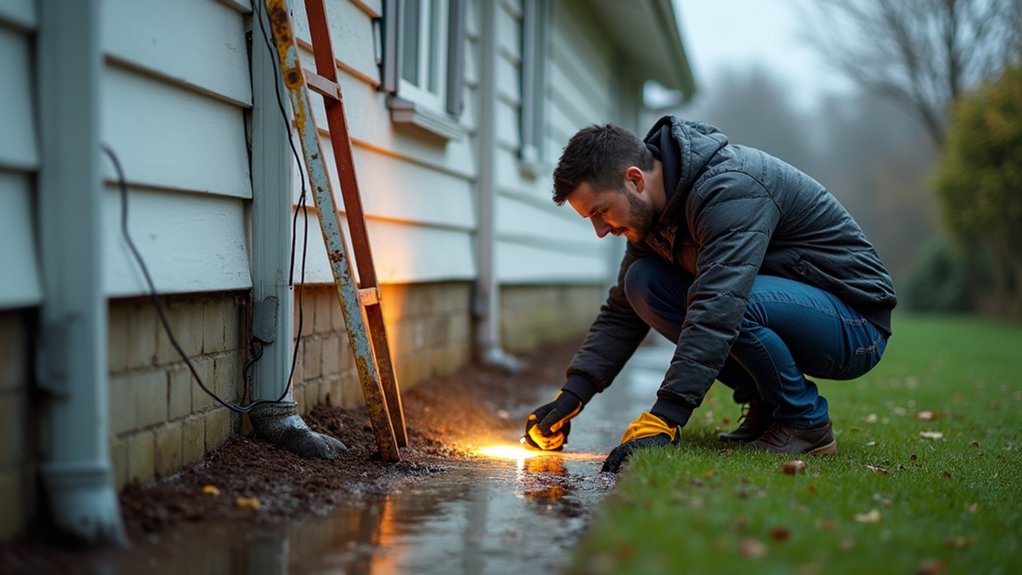
Start by walking around your property and looking for hazards that could cause injury or damage. Check walkways, steps, railings, and balconies for loose surfaces, cracks, poor lighting, or missing supports.
Remove clutter, trim branches near paths, and secure items that could fall or blow away. Test exterior doors, windows, locks, and gates to identify security hazards, and replace damaged hardware promptly.
Examine walls, fences, posts, and visible foundations for movement, rot, rust, or widening cracks that might threaten structural integrity.
Inside, look for exposed wiring, overloaded outlets, slippery flooring, and unstable furniture. Keep fire extinguishers accessible, confirm smoke and carbon monoxide alarms work, and store chemicals safely.
If you find serious damage, restrict access and contact a qualified professional for an evaluation before making repairs.
Check Roofs, Gutters, and Drains
Keeping water out starts with checking your roof, gutters, and drains before small problems become costly damage. Schedule roof inspections at least twice a year, and look for slipped tiles, damaged flashing, worn sealant, or areas where debris collects. From the ground, check for sagging rooflines or missing materials, but use a qualified professional for steep or unsafe surfaces.
Plan Gutter cleaning in spring and autumn, then repeat it after major storms. Remove leaves and sediment carefully, ensuring gutters remain firmly attached and downspouts direct water away from walls and foundations. Test each drain by running water through it, and clear grates of mud, moss, and fallen leaves.
Trim nearby branches to reduce debris, and keep access points visible. A simple maintenance schedule helps your property stay dry, protected, and easier to manage.
Find and Fix Leaks Early
When you notice damp patches, musty smells, peeling paint, or unexplained increases in water use, investigate promptly rather than waiting for visible damage to worsen. Check beneath sinks, around toilets, near water heaters, and along exposed pipes.
Read your water meter before and after a two-hour period when no fixtures run; movement suggests a hidden leak. For reliable leak detection, inspect joints, valves, and appliance connections with a flashlight, and listen for dripping or hissing sounds.
Turn off the nearest shutoff valve if you find active water, then dry the area and arrange repairs. Prompt action limits water intrusion, mold growth, structural damage, and expensive utility bills.
If you can’t locate the source, contact a licensed plumber. Keep records of repairs and recheck vulnerable areas regularly.
Secure Doors, Windows, and Outdoor Areas
After addressing leaks, protect your property from unauthorized access and weather-related damage by checking doors, windows, and outdoor areas.
Inspect exterior doors for loose hinges, damaged frames, and worn weatherstripping. Confirm that every lock engages fully, and consider deadbolts or reinforced strike plates for added resistance.
Test windows, screens, and latches, replacing cracked glass or weakened hardware promptly.
Keep valuables out of sight, and trim shrubs that could provide concealment near entrances.
Install motion-activated outdoor lighting around walkways, garages, and secluded corners to improve visibility.
Check fences, gates, and storage sheds for gaps, rust, or faulty locks.
If you use security alarms, test sensors and batteries regularly, and verify you know how to arm the system.
These straightforward checks help you maintain a safer, drier, more secure property year-round.
Create a Seasonal Property Maintenance Plan
A seasonal maintenance plan helps you catch small problems before they become costly repairs. At the start of each season, walk around your property and note roof damage, clogged gutters, peeling paint, drainage issues, and signs of moisture. Schedule essential tasks rather than relying on memory.
In spring, inspect exterior surfaces, test outdoor faucets, and plan landscaping updates.
During summer, check irrigation, trim plants away from walls, and watch for leaks.
In fall, clean gutters, seal cracks, store hoses, and prepare heating equipment.
Winter calls for monitoring pipes, removing heavy snow, and checking for ice damage.
Include pest prevention in every season by sealing entry points, removing standing water, and addressing nests promptly.
Keep your checklist, receipts, and service dates together so you can track progress and plan confidently.
Frequently Asked Questions
How Often Should Property Insurance Coverage Be Reviewed?
Review your property insurance coverage at least annually and after major changes, such as renovations, new valuables, or ownership updates. Regular Coverage reviews help guarantee your Insurance policies still match your needs and limits.
What Emergency Supplies Should Every Property Owner Keep Available?
You’ll need Emergency kits and Safety equipment: store water, nonperishable food, flashlights, batteries, first-aid supplies, medications, fire extinguishers, gloves, masks, tools, chargers, blankets, and important documents in accessible, labeled containers.
When Should Professional Pest Control Services Be Scheduled?
Schedule professional pest control services when you notice Pest infestations, recurring pests, property damage, or droppings. For Termite prevention, book annual inspections, especially before buying, selling, renovating, or after moisture problems, and don’t delay treatment.
How Can Indoor Air Quality Be Improved Throughout the Property?
You can transform every room into a breath-of-fresh-air oasis by improving indoor ventilation, replacing filters, controlling humidity, and using air purifiers. Keep surfaces clean, address mold promptly, and test carbon monoxide detectors regularly for healthier air.
What Records Should Owners Maintain for Completed Maintenance Work?
You should maintain documentation for completed repairs, inspections, service dates, contractor details, invoices, warranties, permits, and photos. Good maintenance documentation and consistent record keeping help you track conditions, verify work, plan upkeep, and resolve disputes confidently.
About the Author


