

Regular home maintenance can prevent costly repairs, yet many homeowners spend only 1–2 hours a month checking essential systems. You can keep your home in top condition by following a seasonal schedule, inspecting HVAC, plumbing, and safety equipment, and handling small problems before they worsen. Spring, summer, fall, and winter each bring specific tasks that protect your home’s comfort, efficiency, and safety—but overlooking one critical area could create problems when you least expect them.
Key Takeaways
- Create a seasonal maintenance calendar for inspections, cleaning, landscaping, weather preparation, and recurring service appointments.
- Inspect and maintain critical systems, including HVAC, plumbing, electrical components, roofing, gutters, insulation, and ventilation.
- Address minor leaks, cracks, drafts, loose fixtures, and caulking issues promptly to prevent expensive damage.
- Keep the home safe by testing alarms, maintaining extinguishers, securing furniture, improving lighting, and using appropriate childproofing.
- Prepare for emergencies with accessible supplies, updated contact information, evacuation plans, and knowledge of utility shutoffs.
Follow a Year-Round Home Maintenance Schedule
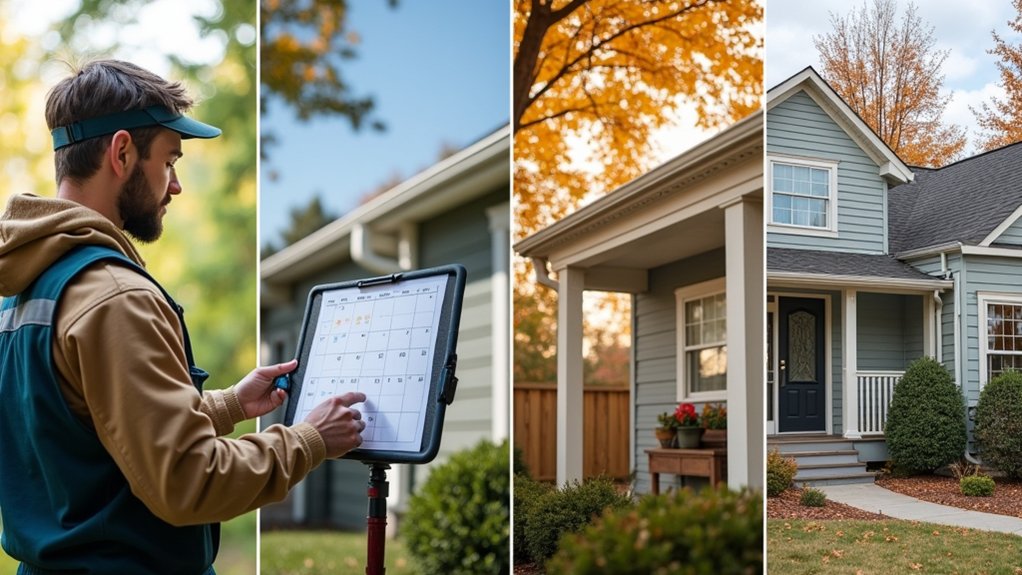
A year-round maintenance schedule helps you catch small problems before they become expensive repairs. Divide tasks by season, then add reminders to your calendar so you won’t overlook routine care.
In spring, clean gutters, inspect roof surfaces, check window screens, and refresh outdoor landscaping after winter damage.
During summer, wash exterior surfaces, trim vegetation away from siding, and examine caulking around doors and windows.
In fall, clear leaves from gutters and drains, seal air leaks, and prepare outdoor faucets for freezing weather.
Winter calls for checking attic insulation, watching for ice dams, and protecting exposed surfaces from moisture.
Track completed work and note materials you’ll need next time. This organized approach improves energy efficiency, protects your home’s structure, and helps you budget for larger projects before they become urgent.
Inspect HVAC, Plumbing, and Safety Systems
Keep your HVAC system efficient by scheduling professional inspections and replacing filters as recommended.
Test faucets, drains, water heaters, smoke alarms, carbon monoxide detectors, and fire extinguishers regularly.
Address leaks, unusual noises, or failed safety tests promptly to prevent costly damage and protect your household.
Schedule HVAC Inspections
When did you last schedule a professional HVAC inspection? Arrange one at least once a year, ideally before the season when you’ll rely most on heating or cooling.
A qualified technician can examine electrical connections, refrigerant levels, ductwork, airflow, thermostats, and safety controls before minor issues become expensive breakdowns.
Regular inspections also support Energy efficiency by identifying restricted airflow, worn components, or calibration problems that make your system work harder.
Ask the technician to clean accessible parts, replace worn filters, and document recommended repairs.
If your equipment is aging, request advice about system upgrades, including high-efficiency units, smart thermostats, or improved zoning.
Keep the inspection report with your maintenance records, and schedule follow-up repairs promptly.
Don’t wait for unusual noises, uneven temperatures, or rising utility bills to signal trouble.
Test Plumbing And Safety Systems
How often do you test your home’s plumbing and safety systems? Check them monthly and complete a thorough review each season.
Inspect faucets, toilets, supply lines, and exposed pipes for drips, corrosion, or dampness. Use Leak detection tablets in toilet tanks, and monitor your water meter when no fixtures run; movement may indicate a hidden leak.
Test water pressure with a gauge. Pressure above 80 psi can damage pipes and appliances, so install a regulator or call a plumber if readings stay high.
Flush water heaters and examine relief valves according to the manufacturer’s instructions.
Press every smoke and carbon monoxide alarm’s test button, replace batteries as needed, and confirm fire extinguishers remain accessible and charged.
Test sump pumps, security alarms, and emergency shutoffs, then repair failures promptly.
Complete Essential Spring Home Maintenance
Spring is the ideal time to inspect your home, address winter damage, and prepare essential systems for warmer weather. Walk around your property and examine the roof, gutters, siding, foundation, windows, and doors for leaks, cracks, or loose materials.
Clean gutters and downspouts, then direct water away from the foundation. Replace damaged caulking, repair screens, and touch up exterior paint where moisture could cause deterioration.
Inside, check the attic and basement for dampness, mold, and pest activity, and change HVAC filters before regular use.
Refresh your garden landscaping by pruning dead growth, clearing debris, testing irrigation, and adding healthy soil.
Review your interior decoration plans, repair worn surfaces, and clean overlooked areas such as ceiling fans and vents.
Keep a written maintenance record and schedule qualified repairs promptly.
Prepare Your Home for Summer Heat
Before temperatures climb, prepare your home to stay cool efficiently and protect it from heat-related damage. Schedule an air-conditioner inspection, replace clogged filters, and clear debris from outdoor condenser coils.
Test ceiling fans, clean vents, and seal gaps around windows and doors so conditioned air stays inside. For dependable summer cooling, program your thermostat higher when you’re away, but don’t shut the system off entirely during extreme heat.
Close blinds or curtains during sunny afternoons, especially on south- and west-facing windows. Add outdoor shading with awnings, shade sails, or strategically placed trees to reduce solar heat gain.
Check attic insulation and ventilation, since trapped heat can raise indoor temperatures and strain your cooling system. Finally, inspect your roof, siding, and plumbing for heat-related deterioration, then make repairs before hot weather peaks.
Protect Your Home This Fall
As temperatures drop, protect your home this fall by servicing the heating system, replacing air filters, and sealing drafts around windows and doors. Test your thermostat and carbon monoxide detectors, and schedule professional maintenance if your furnace makes unusual noises or struggles to maintain comfort.
Inspect your roof, gutters, and downspouts for damage, then clear blockages so rainwater drains away from the foundation. During peak Fall foliage, complete regular leaf cleanup from gutters, roof valleys, drains, and walkways.
Trim dead or diseased branches that could damage your home during windy weather, but don’t overprune healthy trees.
Check exterior caulking around windows, doors, and utility penetrations, and repair cracks promptly.
Store outdoor cushions, tools, and decorations in a dry location, and clean patio surfaces before stains set.
Get Your Home Ready for Winter
Get your home ready for winter by servicing the furnace, replacing filters, and sealing drafts around windows, doors, and other openings. Schedule professional maintenance to check burners, electrical connections, ductwork, and carbon monoxide levels. Test your thermostat and consider programmable settings to reduce energy use without sacrificing comfort.
Inspect attic insulation and add more if it’s below recommended levels, while ensuring soffit vents remain clear. Clean gutters and confirm downspouts direct water away from the foundation before freezing temperatures arrive.
Protect exposed plumbing in unheated areas with approved insulation, and disconnect outdoor hoses.
Practice fireplace safety by having the chimney inspected and swept, checking the damper, and using a sturdy screen. Install or test smoke and carbon monoxide alarms on every floor, replacing batteries as needed. Review your emergency heating plan, too.
Fix Minor Home Problems Before They Grow
Address minor problems as soon as you notice them, because small leaks, cracks, and loose fixtures can quickly cause expensive damage. Check faucets, supply lines, toilets, and ceilings for moisture, then repair leaks before mold or structural damage develops.
Seal gaps around windows and doors to improve comfort and prevent pests. Tighten cabinet handles, replace worn caulk, and secure loose railings promptly.
For safe DIY repairs, use the correct tools and follow manufacturer instructions; don’t attempt electrical, gas, or major plumbing work unless you’re qualified.
Add these checks to your seasonal inspections, looking for roof damage, clogged gutters, peeling paint, and foundation cracks.
Document recurring issues and schedule professional help when repairs exceed your skills. Acting early protects your home, reduces repair costs, and prevents minor inconveniences from becoming emergencies.
Frequently Asked Questions
How Often Should I Repaint My Home’s Interior and Exterior Surfaces?
You’ll usually repaint interior surfaces every five to seven years, sooner in busy rooms; schedule exterior refreshes every five to ten years. Interior touch ups can address scuffs, while climate and siding material influence exterior timing.
What Landscaping Tasks Help Maintain Curb Appeal Throughout the Year?
Prune shrubs, weed beds, refresh mulch, and plant seasonal color regularly. Schedule Garden maintenance, including tree inspections and irrigation checks. Consistent Lawn care—mowing, edging, aerating, and reseeding—keeps your property neat and inviting year-round.
How Can I Improve My Home’s Energy Efficiency Without Major Renovations?
You don’t need a dramatic renovation to save energy—just stop paying to heat the outdoors. Add weatherstripping, seal drafts, upgrade lighting, pursue Energy saving upgrades, and prioritize Insulation improvements around attics, walls, and ducts.
When Should I Schedule Professional Pest Control Inspections?
Schedule professional pest control inspections annually, ideally in early spring, before insects become active. Choose additional visits after renovations, water damage, or sightings. Consistent Inspection timing strengthens Pest prevention and catches hidden infestations before they spread.
What Home Maintenance Tasks Should Landlords Prioritize for Rental Properties?
Prioritize safety inspections, plumbing, electrical, HVAC, roof, and appliance maintenance. Address repairs promptly, test smoke and carbon-monoxide detectors, document conditions, and maintain rent collection systems. Strengthen tenant screening, schedule seasonal servicing, and budget for replacements.
About the Author


