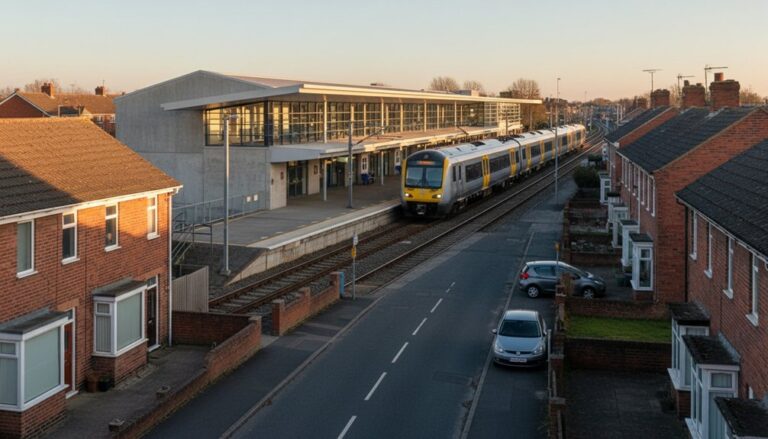

Oxford can feel like the property market’s ultimate test for first-time buyers, with historic homes, strong demand, and prices that rarely feel modest. You’ll find more approachable options in areas such as Blackbird Leys and Rose Hill, while excellent rail and road links support long-term appeal. Before deciding, weigh your deposit, mortgage costs, maintenance, conservation rules, and commuting needs—because the right neighbourhood could make all the difference.
Key Takeaways
- Oxford offers strong long-term demand from universities, hospitals, employers, and renters, supporting potential resale and rental prospects.
- First-time buyers may find better value in Blackbird Leys, Greater Leys, Rose Hill, and parts of Cowley.
- Central areas like Jericho, Summertown, and Oxford station are desirable but usually require significantly larger budgets.
- Excellent buses, cycling routes, and rail connections can reduce commuting costs, but peak-time journeys should be tested.
- Buyers must budget for deposits, Stamp Duty, surveys, legal fees, maintenance, and leasehold service charges.
Is Oxford a Good First-Time Buyer City?
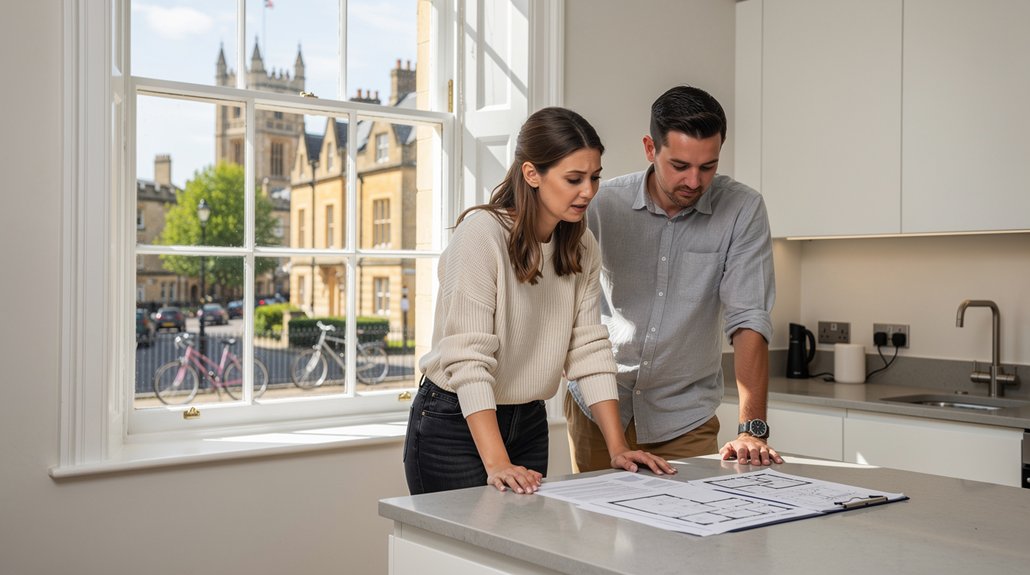
Oxford can be a strong first-time buyer city if you value long-term demand, excellent transport links and access to major employers and universities. You’ll also benefit from a deep rental market, supported by students, professionals and relocating households. That diversity can make ownership feel more resilient, although you should assess each neighbourhood rather than relying on Oxford’s reputation alone.
Look beyond the centre to areas such as Headington, Cowley, Botley and Kidlington, where you’ll find different lifestyles and commuting options. Check your route to work, local schools, shops and green space before choosing a property.
Student nightlife and historic landmarks add character, but they can also mean noise and visitor traffic near particular streets. Finally, review conservation restrictions, flood exposure and planned developments carefully. A local solicitor and surveyor can help you spot risks before you commit.
What Do Oxford Homes Cost?
How much you’ll pay in Oxford depends heavily on the neighbourhood, property type and condition. A modest one-bedroom flat may sit within reach of some first-time buyers, while a larger terrace or semi-detached home commands considerably more, particularly near the city centre, university buildings and popular transport routes.
Compare asking prices with recent sold data, not just polished listings. Historic neighborhoods such as Jericho, central Oxford and Summertown attract strong demand, so properties may carry a premium. You’ll generally find better value farther from the centre, although commuting costs and renovation needs can change the calculation.
Luxury apartments represent the top end, often offering concierge services, parking or riverside views. Check service charges, lease length, council tax and likely maintenance before judging affordability.
A local agent can help you identify realistic options and spot overpriced homes.
How Much Deposit Will You Need?
You’ll typically need a 5–10% deposit, although a larger contribution can enable better mortgage rates.
In Oxford, higher property prices mean even a standard percentage can represent a substantial sum. Your target deposit should consequently reflect both the home you want and the mortgage costs you can comfortably manage.
Typical Deposit Percentages
Although deposit requirements vary by lender and property, you’ll typically need at least 5% of the purchase price, while a 10% deposit can open more mortgage options and competitive rates.
In Oxford’s competitive market, saving beyond the minimum may also strengthen your offer, but don’t leave yourself without an emergency buffer.
Your deposit is only one part of the upfront budget: allow for survey costs, legal fees, mortgage arrangement charges, and moving expenses.
Start your financial planning early, checking how much you can save monthly and whether family support, a Lifetime ISA, or other eligible schemes could help.
Speak with a whole-of-market adviser before choosing a product. They’ll explain lender criteria, affordability checks, and whether a larger deposit genuinely improves your borrowing position.
Keep proof of your savings and gifted funds organised.
Oxford Property Price Impact
Oxford’s property prices mean the same percentage deposit can represent a much larger sum than elsewhere, so calculate it against the specific neighbourhood and property type you’re targeting.
A 10% deposit on a £400,000 flat is £40,000, while a similarly sized home at £600,000 requires £60,000. That gap can affect your savings timeline, mortgage affordability, and access to competitive rates.
Central areas often command premiums because of historical architecture, limited development, and walkable access to colleges, shops, and transport.
The university influence also supports strong rental demand, though it won’t guarantee price growth.
Compare recent sold prices, not just asking prices, and budget for survey, legal, and moving costs.
If your deposit is tight, consider areas such as Headington, Cowley, or Blackbird Leys, where entry prices may be more manageable.
What Will Buying and Owning Cost?
Your Oxford budget needs to cover more than the deposit, with solicitor’s fees, surveys, mortgage costs and Stamp Duty potentially due upfront.
Once you’ve moved in, factor in mortgage payments, council tax, insurance, maintenance and energy bills.
Understanding both sets of costs will show whether a property is genuinely affordable.
Upfront Buying Costs
Buying in Oxford takes more than a deposit: you’ll also need to budget for conveyancing, surveys, mortgage fees, Stamp Duty, removals, and potential repairs. Ask your solicitor for a complete quote, including searches and Land Registry charges, then keep a contingency fund for surprises.
Your survey choice matters. A basic report may suit a modern flat, while older properties in Historical neighborhoods often justify a detailed building survey. Check lease length, service-charge history, and planned major works before committing to a period conversion or Luxury apartments; these costs can affect affordability and resale appeal.
Compare mortgage products by total fees, not just the headline rate. Get removal quotes early, and confirm whether your lender requires specific insurance or valuation arrangements. A realistic completion budget helps you negotiate confidently and prevents last-minute borrowing.
Ongoing Ownership Expenses
Once you’ve completed, budget for the regular costs that shape Oxford’s true affordability: mortgage payments, council tax, buildings and contents insurance, utilities, maintenance, and—if you’re buying a leasehold flat—service charges and ground rent.
Your monthly mortgage depends on your deposit, interest rate, and property price, while Oxford’s council tax varies by band and district.
Ask the managing agent for recent service-charge accounts, planned major works, and reserve-fund details before committing.
Older terraces and period homes can demand more spending on roofing, windows, heating, and damp prevention, so keep an emergency fund.
Don’t overlook Legal fees and Stamp duty when calculating your overall budget; they reduce cash available for repairs and furnishings.
Compare energy performance, insurance quotes, and likely commuting costs, then test your finances against rate rises and unexpected bills.
Which Oxford Areas Are Most Affordable?
Which Oxford areas offer the best value for first-time buyers? You’ll generally find lower entry prices in Blackbird Leys, Greater Leys, Rose Hill, and parts of Cowley, compared with central postcodes. These neighbourhoods can give you more space for your budget, although you should compare property condition, lease terms, and commuting costs carefully.
Heading east, you may also find better value around Wood Farm and Northway, particularly if you’re willing to examine maisonettes or properties needing modernisation.
Abingdon Road’s southern stretches and areas near Botley can offer useful compromises, but prices vary sharply by street.
Don’t judge affordability by the asking price alone: check council tax, service charges, parking arrangements, and likely renovation work.
Local amenities and transport links affect resale prospects, while historical architecture often commands a premium.
Which Oxford Areas Suit First-Time Buyers?
You’ll find stronger first-time buyer value in areas such as Blackbird Leys, Cowley and Headington, where prices, amenities and housing types vary.
If you commute, compare transport links from locations such as Botley and Kidlington with your likely journey time and costs.
Prioritise essentials including manageable monthly payments, reliable local services and room for future needs.
Affordable Oxford Neighbourhoods
Where can first-time buyers find better value in Oxford? You’ll usually discover more manageable prices in Blackbird Leys, Greater Leys, Rose Hill and parts of Cowley. These neighbourhoods offer varied housing, from compact terraces to maisonettes, helping you match your budget with realistic space requirements.
Compare property condition carefully: a cheaper home may need rewiring, insulation or kitchen upgrades, so obtain a survey before making an offer.
Headingley? No—that’s Leeds. In Oxford, Cowley provides independent shops, restaurants and Cultural events, while nearby areas retain useful everyday amenities without the premium attached to central postcodes.
If you value character, explore properties near Historical landmarks, but check conservation restrictions and maintenance costs.
Track sold prices, not just asking prices, and ask a local agent about lease terms, service charges and planned developments.
Commuter-Friendly Areas
For an easier commute, consider Headington, Cowley, or areas around Oxford station, depending on your route and budget.
Headington suits commuters travelling to the hospitals, university campuses, and technology parks, with frequent buses along the London Road.
Cowley offers strong Public transport links towards the city centre, while its cycle routes can make short journeys quicker during busy periods.
If you regularly catch trains, look at flats and terraces near Oxford station, though competition and prices often rise within walking distance.
Summertown and Jericho also connect well by bus and bicycle, but you’ll usually pay more for their polished setting and local amenities.
Check your complete door-to-door journey at peak times, then compare bus reliability, cycling practicality, and parking pressure before choosing an area.
First-Time Buyer Essentials
Once you’ve assessed the commute, focus on whether the area works for your first purchase and budget. Cowley and East Oxford often suit buyers seeking manageable terraces, flats, lively amenities, and strong rental demand.
Headington offers excellent hospitals, shops, and bus links, though prices can rise near the university and healthcare campuses.
Blackbird Leys and parts of Rose Hill may provide better value, but you should check regeneration plans, parking, and resale prospects carefully.
Jericho and central historic neighborhoods appeal if you value character, yet compact homes command a premium.
Luxury apartments can look tempting, but compare service charges, sinking funds, and lease terms before committing.
Prioritise a realistic deposit, mortgage affordability, commuting costs, and survey findings.
A local agent can help you spot streets offering practical space without stretching your finances.
Can You Commute Easily From Oxford?
Oxford is exceptionally well connected, making it a practical base for commuters to London, Reading, Bicester and nearby employment centres.
From Oxford station, fast trains reach London Paddington in roughly an hour, while services to Reading connect with wider routes, including Crossrail. You’ll also find regular trains to Bicester, Banbury and Birmingham, although peak services can become crowded and fares may be substantial.
Public transport extends beyond rail: frequent buses serve the city, surrounding villages and major business parks, but check journey times carefully if you’re buying outside the central area.
Cycling infrastructure is improving, with dedicated routes helping you reach the station and employment hubs more efficiently.
Before you commit, test your door-to-door commute at peak time. That practical check will reveal the true cost, reliability and convenience.
What Is Life Like in Oxford?
Life in Oxford combines a lively cultural scene with the practical advantages of a compact, well-served city. You’ll find independent shops, cafés, bookshops, museums, and green spaces within easy reach of many neighbourhoods. That everyday convenience can make ownership feel rewarding, particularly if you value walking or cycling over driving.
The city’s character changes by area. Cowley offers diverse local cuisine, music venues, and a youthful atmosphere, while Jericho feels polished and village-like. Summertown suits buyers seeking boutiques, cafés, and strong local amenities.
Throughout the year, cultural festivals, lectures, theatre, and live music keep evenings interesting.
Before buying, spend time locally at different hours. Check noise, parking, supermarket access, and outdoor space, then compare these lifestyle benefits with each area’s price premium and ongoing maintenance costs carefully.
Could You Rent Out a Room?
If you’re weighing Oxford’s higher purchase prices, renting out a spare room could help make monthly costs more manageable. Demand from students, graduates, and university staff remains strong in many neighbourhoods, particularly near Headington, Cowley, and central bus routes.
Before advertising, check your mortgage terms, insurance, and whether local licensing rules apply. You’ll also need to understand the UK’s Rent a Room Scheme, which lets you earn up to the tax-free threshold when conditions are met.
Set a realistic rent by comparing furnished listings nearby, then agree expectations about bills, cleaning, guests, and quiet hours. Consider renting alternatives, such as a weekday lodger, if you value weekends privately.
Effective room rental strategies can support affordability while preserving your independence. Use a written agreement and verify references before handing over keys.
What Challenges Face Oxford Buyers?
Buying in Oxford can stretch first-time buyers through high prices, limited stock, and strong competition, especially around central neighbourhoods and popular areas near the universities and hospitals. You’ll often need to move quickly, yet rushing can expose you to costly surveys, leasehold restrictions, or awkward renovation bills.
Affordability varies sharply by location. Historic neighborhoods may offer character but require maintenance, while newer developments can carry sizeable service charges. Luxury apartments sometimes look attractive, though you should check ground rent terms, sinking funds, and restrictions on letting rooms.
Mortgage affordability is another hurdle: lenders assess income carefully, and Oxford’s prices can push your deposit beyond expectations. Get an agreement in principle before viewing, define your non-negotiables, and budget for stamp duty, legal fees, surveys, and immediate repairs.
A local conveyancer and independent surveyor can help you spot risks early.
Frequently Asked Questions
What Government Schemes Can Help Oxford First-Time Buyers?
You can use Lifetime ISAs, First Homes discounts, Shared Ownership, and Oxford City Council grants. Don’t assume affordability requires distant suburbs: compare affordable neighborhoods, transport links, schools, and local amenities, then check eligibility and deadlines.
How Does the Oxford Conveyancing Process Work?
You’ll instruct a solicitor, review the Property valuation, negotiate searches, and exchange contracts before completion. In Oxford, your Conveyancing timeline typically spans eight to twelve weeks, though leasehold flats, chains, and local searches can cause delays.
What Surveys Should First-Time Buyers Arrange Before Purchasing?
You should arrange a RICS Level 2 survey for conventional Oxford homes, or Level 3 for older, altered, or unusual properties. Add specialist damp, drainage, or structural inspections, then assess neighborhood amenities and mortgage options.
How Long Does Buying an Oxford Home Typically Take?
You’ll typically need eight to twelve weeks to buy an Oxford home after accepting an offer. Secure Mortgage options early, review surveys promptly, and assess Neighborhood amenities while solicitors handle searches, negotiations, and completion logistics.
What Legal Checks Are Required When Buying an Oxford Property?
You’ll need conveyancing searches, including local authority, drainage, environmental, and planning checks. Your solicitor verifies Title deeds, ownership, restrictions, and Property taxes, while confirming lender requirements and any Oxford-specific conservation-area or listed-building obligations.
About the Author