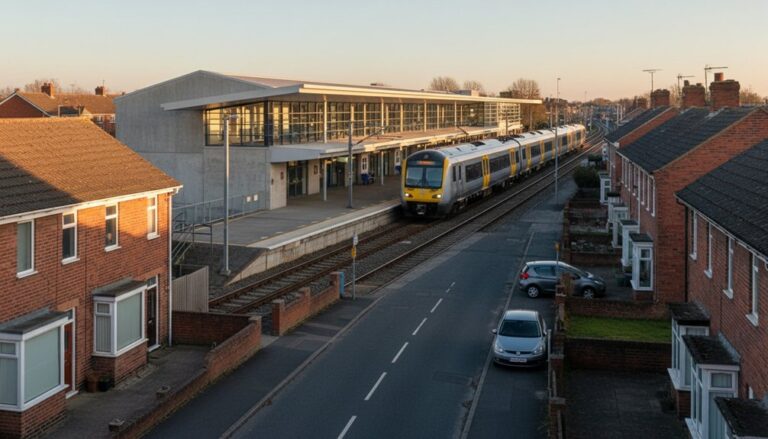
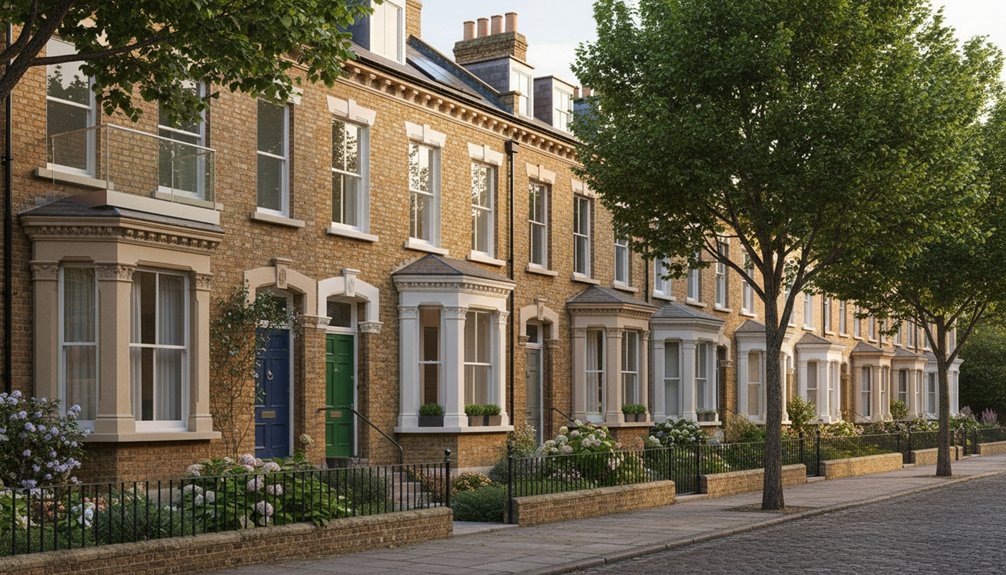
If you’re considering period terraces or character homes, York offers a strong mix of architectural appeal, established demand, and long-term investment potential. You’ll find sash windows, high ceilings, fireplaces, and original details across areas such as Micklegate, Bishophill, and Fulford, but charm alone shouldn’t determine value. Purchase price, condition, conservation restrictions, maintenance costs, and future resale demand all matter—especially when two apparently similar homes carry very different risks.
Key Takeaways
- York offers abundant period terraces and character homes with appealing features like sash windows, fireplaces, high ceilings, and original staircases.
- Established areas including Micklegate, Bishophill, Fulford, Bootham, Clifton, and South Bank attract strong demand from homeowners and tenants.
- Excellent walkability, historic surroundings, schools, green spaces, and cultural amenities support York’s long-term lifestyle and investment appeal.
- Character properties can command premiums, but buyers should budget carefully for damp, timber decay, roofing, rewiring, and specialist renovation work.
- Independent surveys, legal checks, and conservation-area research are essential before purchasing, particularly for listed or extensively altered homes.
Why Buy a Period Home in York?
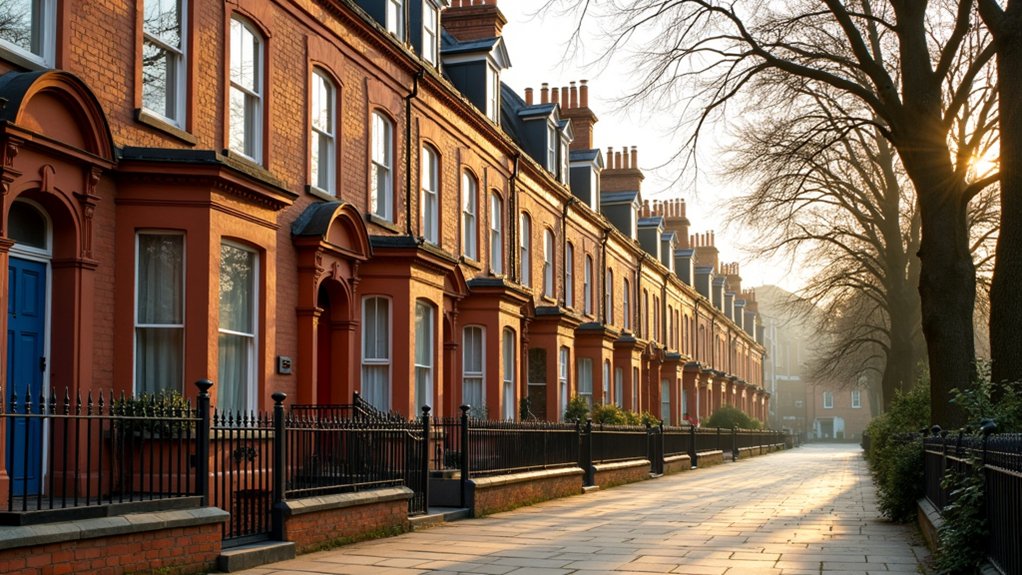
York’s period terraces and character homes offer more than architectural appeal: they combine distinctive features, established neighbourhoods and enduring buyer demand. When you buy one, you’re investing in historical architecture with proportions, craftsmanship and materials that newer builds rarely replicate.
High ceilings, original fireplaces, sash windows and brick façades can strengthen your property’s appeal to owner-occupiers and tenants, supporting resale prospects and rental demand.
You’ll also benefit from scarcity: limited supplies of well-maintained homes can help protect values when buyers prioritise individuality and location. However, preservation challenges require disciplined due diligence.
Check listed-building status, conservation controls, roof condition, damp, insulation and renovation permissions before you commit. Budget for specialist repairs and ongoing maintenance, then compare the purchase price with achievable rents, refurbishment costs and long-term capital growth rather than relying on character alone.
Which York Areas Suit Period Homes?
If you’re choosing among York’s period-home districts, match each area’s architecture and buyer demand with your investment strategy.
The city centre suits you if you’re targeting professionals, tourists, or premium tenants who value walkability.
Micklegate and Bishophill offer Historical architecture, strong character, and proximity to the station, supporting resale appeal and convenient commuting.
Fulford attracts families and longer-term buyers with larger homes, green space, schools, and reliable Local amenities.
Bootham and Clifton combine established streetscapes with access to the city and reputable schools, making them comparatively defensive markets.
South Bank can suit you if you want attractive terraces near independent businesses and cultural venues, although refurbishment costs require careful appraisal.
Before bidding, compare sold prices, rental demand, parking, transport links, and conservation constraints across each neighbourhood.
That evidence should guide your area selection.
Which Period Features Add Value in York?
After narrowing your area, assess which original features can support York’s buyer demand and protect resale value. Historic architecture attracts purchasers, but condition and authenticity matter. Look for intact sash windows, timber shutters, panelled doors, ceiling roses, cornicing, fireplaces, exposed beams, and original staircases.
These details give a terrace interior character that modern replicas rarely match. Prioritise features that remain practical: well-maintained stonework, sound joinery, and fireplaces with appropriate compliance or restoration potential.
Period proportions also matter, especially high ceilings, generous reception rooms, and connected layouts that suit contemporary living. You’ll add value by preserving distinctive fabric while upgrading services discreetly.
Avoid stripping original details for open-plan space or oversized modern fittings; sympathetic improvements usually protect buyer appeal, reduce objections during viewings, and strengthen your exit strategy in York’s competitive market.
How Much Do York Period Homes Cost?
You’ll typically pay a premium for York’s period homes, with average prices varying by property type, condition, and size.
Area matters: central neighbourhoods and sought-after villages generally command more than outer districts, so compare local sold prices carefully.
Budget separately for renovation costs, including roofing, damp treatment, rewiring, insulation, and heritage-sensitive upgrades.
Average Period Home Prices
How much do York’s period homes cost? You’ll typically find period terraces and character properties priced from roughly £250,000, while larger, better-presented homes can exceed £600,000.
Prime examples with original fireplaces, sash windows, high ceilings, and attractive façades often command substantial premiums, particularly when sellers have preserved Historical architecture while adding Modern amenities.
Your budget should cover more than the asking price. Allow for surveys, potential rewiring, roof repairs, damp treatment, insulation upgrades, and specialist maintenance. These costs can materially affect your total acquisition price and projected return.
Compare sold prices, not just listings, then assess rental demand, resale appeal, and achievable renovation value. A well-bought period home can protect capital and attract strong tenant interest, but you’ll need disciplined due diligence before committing.
Factor mortgage affordability, stamp duty, insurance, and ongoing upkeep into your investment model from day one.
Price Differences by Area
York’s period-home prices vary sharply by neighbourhood, with central streets, sought-after villages, and areas close to the city walls typically commanding premiums over less established locations.
You’ll generally pay more for a Georgian townhouse in the city centre or a Victorian terrace near Bootham, where Historic architecture, walkability, and strong rental demand support pricing.
Areas such as Fulford, Bishopthorpe, and Heworth can also attract premiums when transport links, schools, and neighborhood amenities appeal to owner-occupiers.
By contrast, homes farther from the centre may offer better value, although you should compare sold prices rather than relying on asking prices.
For investment, assess the premium against achievable rent, resale liquidity, and tenant demand.
A cheaper postcode isn’t automatically a bargain; location quality often determines long-term capital growth.
Renovation Costs to Consider
Location affects the purchase price, but a York period home’s true cost also depends on its condition and construction. Before you bid, budget for surveys, rewiring, replumbing, damp treatment, roof repairs, insulation, and replacement windows.
Victorian terraces may hide movement, failing timber, or outdated drainage behind attractive façades, while listed buildings can add specialist fees and approval delays. Historical preservation rules may restrict alterations, materials, and window designs, so confirm requirements with the council before exchanging contracts.
Add professional fees, building-control charges, VAT, and a contingency of at least 15–20% to your renovation planning. Compare the finished value with recent renovated sales nearby; over-improving can weaken returns.
You should also model mortgage, rent, and holding costs during works, ensuring the project remains viable if completion slips or material prices rise.
What Maintenance Risks Come With Older Homes?
Older York homes can offer character and value, but you’ll need to price in structural movement risks before committing.
Check for damp, timber decay, ageing roofs and outdated services, as these can materially affect refurbishment costs and rental returns.
A thorough survey helps you distinguish manageable maintenance from problems that could weaken your investment case.
Structural Movement Risks
While many York terraces and character homes remain structurally sound, older construction can bring movement-related risks that affect both maintenance budgets and resale value. You should inspect stepped cracking, distorted doorframes, sloping floors, and gaps around windows rather than dismissing them as normal period features.
Foundation settlement may reflect historic, stabilised movement, but continuing displacement can require underpinning, drainage investigation, or structural reinforcement.
Commission a structural survey from an experienced engineer, particularly before exchanging contracts, and ask for monitoring data, previous repair invoices, and building-control approvals. Your lender may also request evidence that defects have been assessed, while insurers could impose exclusions or higher premiums.
Price the property against realistic remedial costs, negotiate where evidence supports your position, and retain a contingency for further investigation after completion.
Damp and Timber Decay
Damp and timber decay are common maintenance risks in York’s period terraces and character homes, particularly where solid walls, inadequate ventilation, defective gutters, or bridged damp-proof courses allow moisture to persist.
Before you buy, commission an independent damp survey rather than relying on a standard valuation. Look for staining, salt deposits, mould, musty odours, hollow plaster, and soft skirting boards; investigate concealed voids and ground-floor timbers carefully.
Persistent damp issues can reduce rental appeal, weaken finishes, and create recurring repair costs, while timber decay may affect joists, floorboards, stairs, and embedded beams.
Your survey should identify the moisture source, distinguish condensation from penetrating or rising damp, and price remedial work.
Budget for improved ventilation, drainage repairs, breathable materials, and timber treatment, then negotiate against evidenced costs rather than speculative estimates.
Ageing Roofs and Services
Roof coverings and building services can become significant capital risks in York’s period terraces and character homes, especially where slate, leadwork, pointing, wiring, plumbing, or heating systems are nearing the end of their useful life. Arrange professional Roof inspections before you exchange contracts, checking slipped slates, failing flashings, fragile timbers, chimney stability, and evidence of historic patching.
A roof replacement can quickly reshape your investment return, particularly in conservation areas where approved materials and skilled labour cost more.
Inside, test water pressure, inspect pipework, and assess the boiler, radiators, consumer unit, and wiring. Budget realistically for plumbing upgrades, rewiring, heating improvements, and compliance work rather than relying on cosmetic presentation.
Obtain contractor quotations, verify insurance, and negotiate using documented defects. Protect your yield by reserving a maintenance fund for recurring repairs.
How Can You Check a York Period Home?
Before you commit to a York period home, inspect more than its frontage and original features: check the roof covering, pointing, timber floors, windows, drainage, heating and signs of movement or damp.
Commission a thorough RICS survey, particularly for listed buildings, Victorian terraces, and homes within conservation areas.
Ask your solicitor to verify alterations, building regulations, guarantees, rights of way, and any planning restrictions.
Distinguish historical authenticity from defects: original fireplaces, staircases, and cornices can support resale appeal, while inappropriate replacements may reduce value.
Check for modern updates, including rewiring, plumbing, insulation, glazing, and boiler efficiency, then price upgrades realistically.
Inspect at different times to assess traffic, parking, noise, and natural light.
Compare survey findings with local sold prices before negotiating, retaining a contingency for hidden repairs.
Frequently Asked Questions
How Competitive Is York’s Period Property Market?
York’s period property market is highly competitive, with limited stock, strong buyer demand, and premium pricing. You’ll face swift offers, especially for well-presented homes reflecting Historical significance and Architectural preservation. Secure financing and act decisively.
What Financing Options Are Available for Buying a Character Home?
Your financing toolkit includes residential mortgages, specialist heritage loans, bridging finance, and renovation funding. You’ll need surveys, realistic valuations, and contingency capital. Historic renovations may qualify for Preservation grants, strengthening your investment case and cash flow.
How Long Does Conveyancing Typically Take for York Period Properties?
You’ll typically complete conveyancing on York period properties in eight to twelve weeks, though historic architecture, listed status, surveys, and title issues can extend timelines. Secure a property valuation early, and budget for delays.
What Insurance Cover Is Suitable for Older York Homes?
Choose specialist buildings insurance covering listed status, rebuild costs, subsidence, flooding, and period features. Add alternative accommodation, legal expenses, and renovation cover, protecting your investment while supporting Historic preservation during Home renovation projects.
Can Period Homes in York Be Extended or Altered?
Yes, you can extend or alter York period homes, but Historic preservation rules may apply. Plan Architectural modifications carefully, secure consent early, protect character, and assess costs, resale appeal, and planning risk before investing. Any of Yorkshire’s character properties are always in demand.
About the Author