Hackney may require a measured approach, but its mix of adaptable warehouses, Victorian buildings, creative networks, and improving infrastructure gives you strong potential for conversion-led growth. You can position a studio, retail concept, hospitality venue, or investment project where local demand and brand visibility reinforce each other. Costs, planning constraints, and area-specific competition still matter, though—and the right location could determine whether your ambition becomes a scalable asset or an expensive compromise.
Key Takeaways
- Hackney offers strong conversion opportunities in warehouses, railway arches, workshops, and Victorian commercial premises.
- Its creative ecosystem connects businesses with skilled talent, designers, makers, studios, and cultural partners.
- New homes, workspaces, and mixed-use developments are increasing footfall, spending power, and commercial demand.
- Infrastructure improvements are expanding catchment areas and supporting faster growth for cafés, retailers, studios, and service businesses.
- Success depends on managing planning constraints, fit-out costs, business rates, staffing expenses, and changing customer expectations.
Why Does Hackney Appeal to Growing Businesses?

Hackney appeals to growing businesses because it combines a strong creative culture with access to ambitious customers, skilled talent and well-connected commercial spaces.
You’ll find an audience that values originality, quality and purpose, giving your brand opportunities to build recognition and convert interest into loyalty.
The borough’s independent retailers, studios, restaurants and cultural venues create a collaborative commercial ecosystem, so you can form partnerships, test ideas and reach complementary markets without losing your identity.
Community engagement also helps you earn trust: local events, collaborations and visible participation can turn nearby residents into advocates.
Sustainability initiatives strengthen that position, particularly as customers increasingly reward responsible businesses.
With varied transport links, a deep talent pool and a reputation for innovation, Hackney gives you the momentum to scale while staying relevant.
Which Hackney Buildings Offer Conversion Potential?
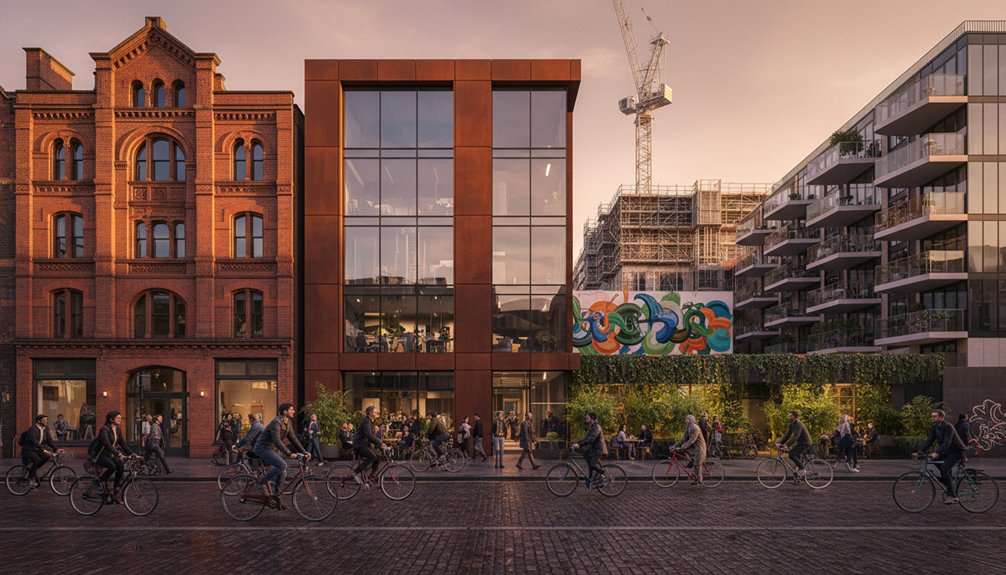
The right Hackney building can give your business more than floor space—it can create a stronger customer journey, sharper brand identity and room to grow. Look for former warehouses, workshops, railway arches and Victorian commercial premises: their generous proportions, high ceilings and street-level access can support retail, hospitality, studios or hybrid operations.
Prioritise layouts you can adapt without undermining customer flow, visibility or future expansion. Architectural versatility matters because your business may need showroom space today and flexible workspace tomorrow.
Check planning constraints, servicing, accessibility and energy performance before committing.
Historical preservation can protect distinctive façades and industrial details, turning heritage into a marketing asset while guiding sensitive upgrades.
With the right appraisal, you’ll secure a property that converts attention into visits, visits into sales and growth into lasting value.
How Does Hackney’s Creative Network Support Growth?
You’ll find a collaborative creative ecosystem in Hackney that connects your business with designers, makers, studios, and cultural partners. These relationships can sharpen your offer, expand your reach, and turn creative collaboration into measurable growth.
You’ll also gain access to events, networks, funding routes, and commercial opportunities that can accelerate conversion and scale.
Collaborative Creative Ecosystem
When creative businesses connect with Hackney’s studios, agencies, venues, freelancers and cultural networks, they gain more than local visibility—they open partnerships that can sharpen ideas, expand reach and accelerate growth. You can turn this connected environment into a commercial advantage.
Through artistic collaboration, you’ll combine specialist skills, challenge assumptions and develop work with stronger audience appeal. Hackney’s innovative hubs also encourage informal introductions, shared projects and practical problem-solving, helping you move from concept to compelling execution faster.
Access to Growth Opportunities
Those connections can become a direct route to growth, giving your business access to new briefs, funding routes, brand partnerships and influential audiences. In Hackney, you can turn proximity into pipeline by joining founder events, studio networks, accelerator programmes and cultural collaborations.
Each interaction can sharpen your offer, generate qualified leads and reveal commercial gaps competitors miss. Position your work around measurable outcomes, then use case studies to convert introductions into retained accounts.
Digital innovation also creates scale: you can test campaigns, products and experiences quickly, gather audience data and refine your proposition before investing heavily.
Community engagement strengthens trust, helping you build advocates rather than one-off buyers. Track referrals, conversion rates, partnership revenue and repeat business, so you know which relationships deserve more time.
With consistent follow-up, Hackney’s creative network can support sustainable growth.
What Do Hackney’s Costs and Constraints Look Like?
You’ll need to weigh Hackney’s rental and operating costs against the revenue potential of your location and audience.
Space and planning constraints can limit how quickly you scale, while talent and growth expenses may pressure margins.
Track each cost against conversion and customer value so your investment supports profitable growth.
Rental And Operating Costs
Although Hackney can deliver the creative energy and customer traffic many businesses want, its rental and operating costs demand disciplined planning. You’ll need to assess property leasing terms beyond headline rent, including business rates, service charges, insurance, utilities, repairs, and deposit requirements.
Compare these costs against realistic sales forecasts, gross margins, and customer acquisition targets before committing. Market trends can shift quickly, so test whether projected footfall supports your break-even point during quieter trading periods, not just peak weekends.
Negotiate rent-free periods, stepped increases, break clauses, or landlord contributions where possible. Then build a cash buffer for inflation, energy volatility, staffing pressures, and seasonal dips.
A disciplined cost model protects your conversion investment and gives you room to reinvest in marketing, service quality, and profitable growth. Revisit assumptions quarterly as performance data develops.
Space And Planning Constraints
Cost discipline also means understanding whether a Hackney site can support the layout, use, and customer experience your concept requires. Before you commit, test floor area, frontage, servicing access, extraction, storage, and customer flow against your trading model. A visually exciting unit may still underperform if queues obstruct sales space or deliveries disrupt peak periods.
Check permitted use, licensing requirements, and zoning limitations early, because planning changes can delay launch and inflate fit-out costs. You’ll also need to assess noise, opening hours, signage, accessibility, and neighbouring occupiers.
Strong Design flexibility helps you adapt the offer without repeatedly rebuilding the space, protecting cash and speed to market. Prioritise sites that let you create a clear journey from entrance to purchase, then model capacity conservatively.
The right constraints sharpen your proposition; the wrong ones cap conversion and future growth.
Talent And Growth Expenses
Hackney can give your brand access to ambitious talent, but wages, recruitment competition, and retention costs can quickly narrow margins. You’ll need a clear hiring plan that connects every role to revenue, delivery capacity, or customer acquisition.
A diverse creative workforce can strengthen campaigns, improve brand relevance, and accelerate testing, yet specialist salaries and freelance premiums demand disciplined budgeting. Factor in onboarding, training, benefits, and the management time required to keep high performers engaged.
Growth also brings infrastructure investments: better software, production equipment, workspace, data systems, and processes that protect quality as demand rises. Before committing, model best- and worst-case staffing costs against projected conversion gains.
You’ll make stronger decisions by treating talent as a growth asset, not an overhead, while preserving cash for experiments and expansion.
Which Hackney Areas Suit Property and Business Growth?
Choosing the right Hackney neighbourhood can give your property project and business a stronger route to growth. Match each location’s identity, customer base and commercial rhythm to your goals.
Shoreditch suits creative studios, hospitality concepts and flexible workspaces, with strong visibility and a premium brand environment.
London Fields offers lifestyle appeal, independent retail potential and access to an affluent, design-conscious audience.
In Hackney Central, you can target a broader local market while benefiting from transport links, civic activity and improving commercial confidence.
Stoke Newington works well for community-led businesses, boutique services and characterful conversions shaped by historical architecture.
Across Dalston, cultural diversity supports distinctive food, retail and cultural propositions.
Compare rents, footfall, frontage, customer spend and operational constraints before committing, then choose the area where your offer can convert attention into repeat revenue.
How Is New Development Changing Demand in Hackney?
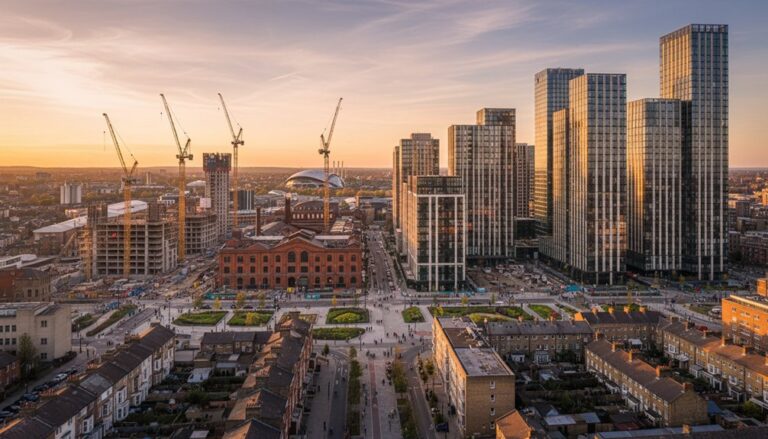
As new homes, workspace and mixed-use schemes reshape Hackney, they’re bringing more residents, spending power and commercial demand into targeted neighbourhoods. You’ll see this shift in stronger footfall, changing customer profiles and rising expectations around convenience, quality and experience.
Urban renewal can create openings for cafés, flexible offices, creative studios, retailers and service businesses that position themselves early. Infrastructure upgrades, from improved transport links to better public spaces, can widen catchment areas and support faster trading growth.
For property owners, development may strengthen rental demand, reveal conversion opportunities and improve the commercial appeal of underused assets. You’ll need to track construction timelines, planning decisions and local spending patterns closely.
Acting on verified demand, rather than hype, helps you choose the right format, pricing and location for sustainable returns.
Is Hackney Right for Your Business or Investment Goals?
If you’re seeking a location that combines creative energy, growing demand and adaptable property options, Hackney could align strongly with your business or investment goals. You’ll find opportunities across offices, studios, retail units, hospitality venues and residential conversions, allowing you to match premises with your strategy.
Review current Market trends before committing: rental growth, transport improvements, local footfall and planning activity can shape both revenue potential and resale value.
For operators, Hackney can support brand visibility and access to diverse, engaged customers. For investors, Investment opportunities may emerge through underused buildings, flexible workspaces and areas benefiting from regeneration.
However, you’ll need to assess acquisition costs, business rates, permissions and competition carefully.
If your plan values adaptability, distinctive positioning and long-term growth, Hackney deserves serious consideration today.
Frequently Asked Questions
What Transport Links Connect Hackney With Central London and Surrounding Boroughs?
You’ll connect Hackney with central London via Overground, Underground, buses, and National Rail, while surrounding boroughs benefit from Public transit and cycling infrastructure. These links shorten commutes, widen audiences, and strengthen commercial growth.
Which Planning Permissions Are Required Before Converting a Hackney Property?
You’ll usually need planning permission for a change of use, extensions, or major alterations. Check Hackney’s planning restrictions, obtain Building regulations approval, and confirm conservation-area or listed-building consents before investing, protecting conversion potential and future growth.
How Does Hackney’s Local Community Influence Everyday Business Operations?
You’ll adapt faster when Community engagement reveals customer needs, habits, and concerns. Build Local collaborations with suppliers, creatives, and organizations to strengthen trust, sharpen offers, streamline operations, and unleash sustainable growth through referrals.
What Environmental Considerations Affect Redevelopment Projects in Hackney?
You’ll weigh flood risk, biodiversity, energy efficiency, and emissions before redevelopment. Like turning a corner shop into a destination, Sustainable design and Eco friendly materials attract conscious customers, reduce costs, strengthen resilience, and accelerate profitable, community-backed growth.
Which Grants or Funding Schemes Support Businesses Relocating to Hackney?
You can explore Funding options through Hackney Council grants, London Growth Hub support, Start Up Loans, and business-rate relief. Ask about relocation incentives, eligibility, premises costs, and deadlines to secure capital and accelerate growth.
About the Author