
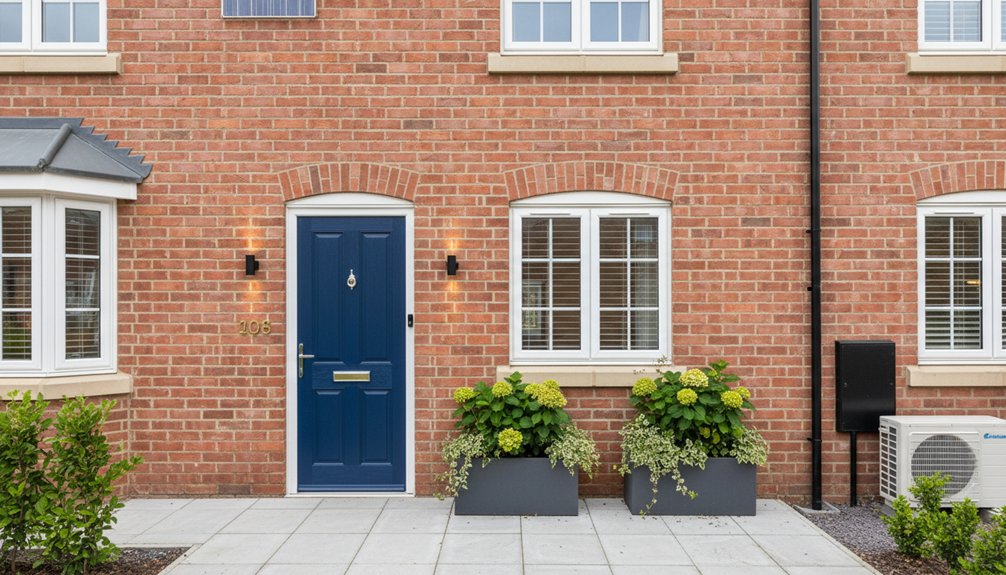
Modernising your UK home doesn’t require a major renovation or a large budget. Start by setting clear priorities, then focus on affordable changes that improve appearance, comfort and efficiency. Fresh paint, smarter lighting, updated fixtures and better storage can make an immediate difference, while draught-proofing and LED bulbs help reduce ongoing costs. The key is choosing upgrades that deliver lasting value—and a few overlooked improvements could transform your home more than you expect.
Key Takeaways
- Repaint walls, internal doors, and tired surfaces using durable, washable colours for an inexpensive modern refresh.
- Upgrade lighting with warm-white LEDs, stylish lamps, dimmers, and mirrors to make rooms brighter and more inviting.
- Replace outdated handles, taps, and fixtures with durable, coordinated fittings that instantly modernise kitchens and bathrooms.
- Improve energy efficiency with draught-proofing, loft insulation, radiator reflector panels, thermal blinds, and smart heating controls.
- Maximise space using wall-mounted storage, hooks, pegboards, under-bed boxes, and multifunctional furniture to reduce everyday clutter.
Set Your Budget and Upgrade Priorities
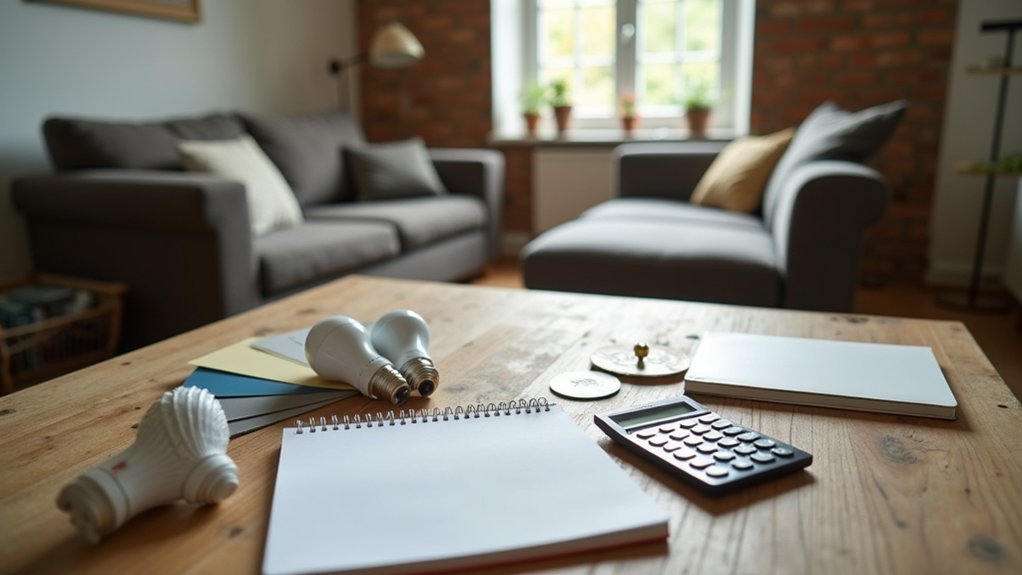
Set a realistic budget before choosing upgrades, and separate essential repairs from improvements that can wait. Start by listing urgent work, such as leaks, unsafe electrics, damp, or failing insulation, then estimate each cost using quotes from reputable UK tradespeople. Keep a contingency of at least 10–15% for unexpected problems.
Effective Budget planning means reviewing your available cash, savings, and finance costs before committing. Don’t let monthly payments hide the total price. Compare materials, labour, warranties, and long-term running costs rather than choosing the cheapest quote automatically.
Use upgrade prioritization to rank projects by safety, energy efficiency, comfort, and resale value. Tackle improvements that reduce bills first, provided the payback period makes sense.
Set spending limits for each phase, track invoices, and review your plan whenever prices or priorities change.
Refresh Walls With Affordable Paint Ideas
Refresh tired walls with affordable paint rather than replacing them, and you’ll often achieve a noticeable improvement for relatively little money. Choose durable, washable emulsion for busy hallways, kitchens and family rooms; a cheaper matt finish can suit quieter spaces.
Test sample pots on different walls before committing, because UK daylight and existing colours can alter the result. Clean, fill and lightly sand surfaces first, then use masking tape for sharper edges and buy enough paint to maintain consistent batches.
A single feature wall can add character without the cost of decorating an entire room. Coordinate your chosen shade with flooring and furniture, or use paint to frame wall art.
If you like wallpaper patterns, paint skirting boards and doors in a complementary tone for a modern, pulled-together finish without overspending or creating unnecessary waste.
Brighten Rooms With Low-Cost Lighting
Good lighting can make rooms feel larger and more welcoming without expensive renovations. Start by replacing dated bulbs with warm-white LED lamps, which use less electricity and last longer. Choose the right brightness for each room: softer light suits bedrooms, while brighter, cooler light helps kitchens and home offices.
Add inexpensive table or floor lamps to brighten dark corners without rewiring. Mirrors positioned opposite windows can spread daylight further, reducing reliance on electric light. Fit dimmer switches where compatible, so you can adjust the atmosphere and energy use.
In hallways, plug-in night lights improve safety without major installation costs. Think beyond interiors, too: subtle lighting can complement garden landscaping, while well-placed exterior painting colours may reflect or absorb light differently.
Compare energy ratings and prices before buying, and avoid glare by using lampshades.
Replace Tired Handles, Taps and Fixtures
Replacing worn handles, taps and fixtures is a quick way to modernise a room without replacing cabinets or sanitaryware. Measure existing handles carefully, including screw spacing, before ordering replacements, so you won’t need to drill new holes or repair doors.
Brushed brass, matte black and chrome can each refresh a tired kitchen or bathroom, but choose finishes that suit your current fittings.
For practical hardware upgrades, compare solid metal handles with cheaper plated options; the former usually withstand daily use better.
When choosing taps, check hole configuration, pipe connections and water-pressure requirements, particularly in older UK homes. Look for WRAS-approved products where appropriate, and keep access to isolation valves clear.
Simple fixture replacements, such as toilet-roll holders, cabinet knobs and towel rails, can create a coordinated finish without costly installation.
Cut Bills With Simple Energy Upgrades
Once your handles, taps and fixtures look the part, simple energy upgrades can make your home cheaper to run. Start with draught-proofing around doors, windows and floorboards; adhesive strips and sealant cost little but help retain heat.
Check your loft insulation, too. Topping it up is among the most effective insulation improvements, reducing heat loss and easing pressure on your boiler.
Fit radiator reflector panels on external walls, and bleed radiators so they warm rooms efficiently.
If your hot-water cylinder lacks a jacket, add one that meets current recommended thickness.
Consider renewable energy carefully: solar panels can reduce grid electricity use, although you should compare installation costs, roof suitability and payback.
Look for local grants or the UK government’s current energy-efficiency schemes before buying materials or booking work.
Add Affordable Smart Home Features
You can cut wasted electricity with affordable smart lighting controls that switch lights off automatically or adjust them to your routine.
A smart thermostat can also lower heating costs by scheduling warmth only when you need it.
Choose compatible, easy-to-install devices and check energy savings before upgrading further.
Smart Lighting Controls
Smart lighting controls offer an affordable way to make your home more convenient and energy-efficient without rewiring every room. Replace compatible bulbs or switches, then connect them through a hub or Wi-Fi app. Check the fitting and network requirements before buying; smart bulbs suit lamps, while smart switches work better for ceiling lights used by everyone.
You can adjust brightness, set schedules, and switch lights off remotely when you’ve forgotten. Voice control through a compatible speaker adds hands-free convenience, particularly on stairways or when your hands are full.
Create automation routines that turn hallway lights on at sunset or dim living-room lamps in the evening. Start with high-use areas rather than upgrading your whole house.
Choose products with clear UK support, strong privacy settings, and reasonable replacement costs, and retain manual controls where possible.
Energy-Saving Smart Thermostats
Beyond lighting, a smart thermostat can reduce heating costs by adjusting temperatures around your routine instead of running the system continuously. You can set thermostat programming for mornings, evenings, and holidays, then control it remotely if plans change.
Many models learn your habits, detect open windows, or use sensors to heat occupied rooms more efficiently. Before buying, check compatibility with your boiler, heating zones, and existing wiring; installation may require a qualified professional.
Choose a reliable model with clear controls rather than paying extra for features you won’t use. Linking the thermostat with wider home automation, such as smart speakers or presence sensors, can make operation more convenient.
However, review its schedule regularly and avoid excessive temperature changes, which can undermine savings. Compare purchase, installation, and subscription costs before deciding.
Create More Storage in Small Spaces
When floor space is limited, use vertical areas and overlooked corners to add storage without making your home feel cramped. Fit slim shelves above desks, doorways or kitchen worktops, and choose wall-mounted cupboards to keep belongings off the floor.
Custom shelving can make awkward alcoves useful, while modular units let you adjust the layout as your needs change.
Use hooks, pegboards and magnetic strips for coats, tools and kitchen utensils, but check wall types and use suitable fixings first.
Under-bed boxes, ottoman seating and over-door organisers provide valuable capacity without taking up additional room.
You can also create hidden compartments inside benches, stair cupboards or redundant chimney-breast space, provided ventilation and access remain safe.
Measure carefully, reuse existing materials where possible, and prioritise storage you’ll use daily.
Refresh Floors, Doors, Blinds and Curtains
Revitalizing floors, doors, blinds and curtains can transform a room without the cost of a full renovation. Start with a thorough clean: hire a carpet cleaner, mop timber flooring with suitable products, and refresh grout between tiles.
Add Decorative rugs to disguise worn areas, define seating zones and introduce warmth, while felt pads protect floors from furniture marks.
Repaint internal doors in a crisp shade, or replace tired handles for an inexpensive update. For draughty rooms, fit lined curtains or thermal blinds, checking measurements before ordering.
Roller blinds offer a neat, budget-friendly finish, while replacing only damaged slats can save money. Choose coordinating colours, then complete the change with wall art placed at eye level.
Test samples in daylight, as UK homes can vary considerably in natural light.
Choose Durable Upgrades for Long-Term Value
Choose upgrades that reduce maintenance and improve comfort, rather than chasing short-lived trends. Prioritise material longevity when you replace flooring, taps, handles or worktops. You don’t need premium brands; look for solid construction, reliable warranties and finishes suited to busy households.
A well-made laminate floor with a strong wear rating may outlast cheaper timber, while stainless-steel fittings resist rust and remain easy to clean.
Consider whole-life value, not just the shelf price. Durable choices can lower maintenance costs by reducing repairs, replacements and specialist cleaning.
Before buying, check product reviews, spare-part availability and installation requirements. Spend more on items that receive daily use, but save on easily changed decorative details.
You’ll create a home that feels modern now and continues performing well for years, without repeatedly funding costly upgrades.
Frequently Asked Questions
Do I Need Planning Permission for Low-Cost Home Improvements in the UK?
You usually don’t need planning permission for cosmetic improvements, such as painting, flooring, or replacing fixtures. Check Planning regulations before structural changes, extensions, or listed-building work, and follow DIY safety guidance. Contact your council if unsure.
How Can I Modernise My Home Without Losing Its Period Character?
Keep original mouldings, doors, fireplaces, and flooring where possible. Add discreet Modern features, such as efficient lighting, smart heating, and secondary glazing, while using Vintage charm-inspired colours, hardware, and furnishings to complement your home’s character.
Which Upgrades Offer the Best Return When Selling a UK Property?
You’ll usually get the best return from energy efficiency upgrades, fresh neutral decorating, improved lighting, and tidy kerb appeal. Prioritise draught-proofing, smart heating controls, and quality presentation; avoid costly renovations buyers may not value.
Can I Complete These Modernising Projects Without Hiring Tradespeople?
Yes, you can tackle painting, fixtures, sealant, and smart upgrades yourself. Measure twice, cut once: assess DIY feasibility, use cost effective tools, and hire qualified tradespeople for electrics, plumbing, structural work, or gas.
How Can I Make Budget Upgrades Safer for Children and Older Residents?
Prioritise Childproofing safety: secure furniture, cover sockets, add stair gates, and improve lighting. Choose Elderly friendly design with grab rails, non-slip mats, lever handles, and clear pathways, checking installations regularly to prevent accidents.
About the Author


