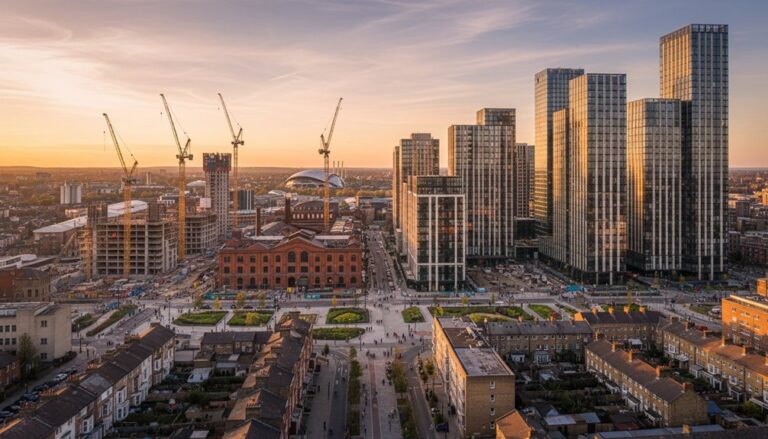
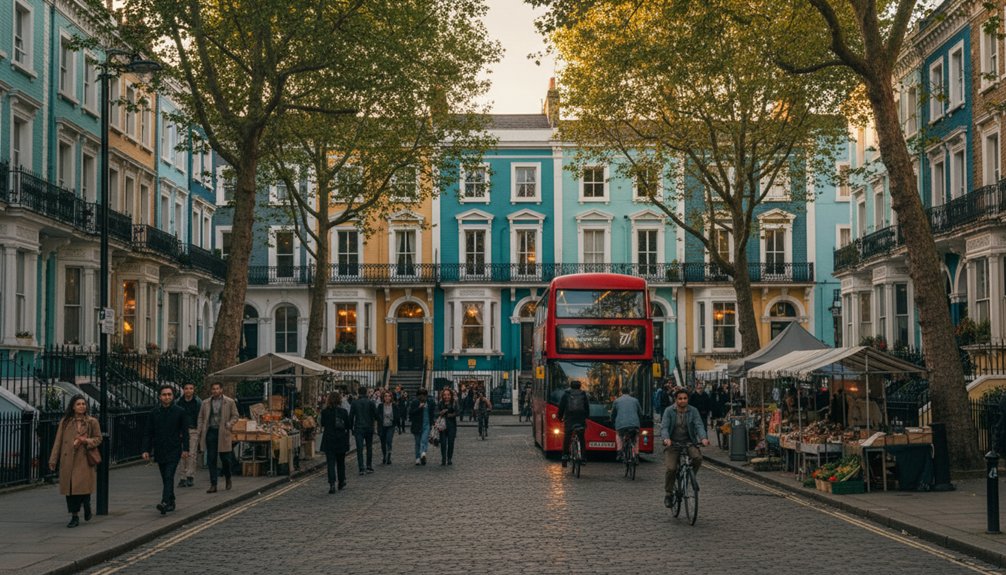
You may not know that Brixton’s Victorian housing stock sits alongside a Zone 2 transport hub and one of London’s strongest cultural quarters. You’ll find high-ceilinged terraces around Brixton Hill and Tulse Hill, while the Victoria line reaches central London quickly and local markets reflect the area’s Caribbean heritage. Property prices, condition and street-by-street connectivity vary considerably, though—so whether Brixton offers the best overall mix depends on what you value most.
Key Takeaways
- Brixton offers a distinctive Caribbean-influenced culture, with vibrant markets, independent businesses, live music, festivals, and diverse dining.
- Victorian terraces, bay-fronted homes, converted flats, and period features provide substantial character across Brixton and surrounding neighbourhoods.
- Zone 2 status, the Victoria line, National Rail, buses, and cycle routes create excellent connections to central London and southeast districts.
- Brockwell Park, schools, larger homes, and community amenities make Brixton attractive to families as well as professionals and creatives.
- High rents, property prices, noise, congestion, parking limitations, and planning restrictions mean Brixton’s overall appeal depends on individual priorities.
What Makes Brixton’s Culture So Distinctive?
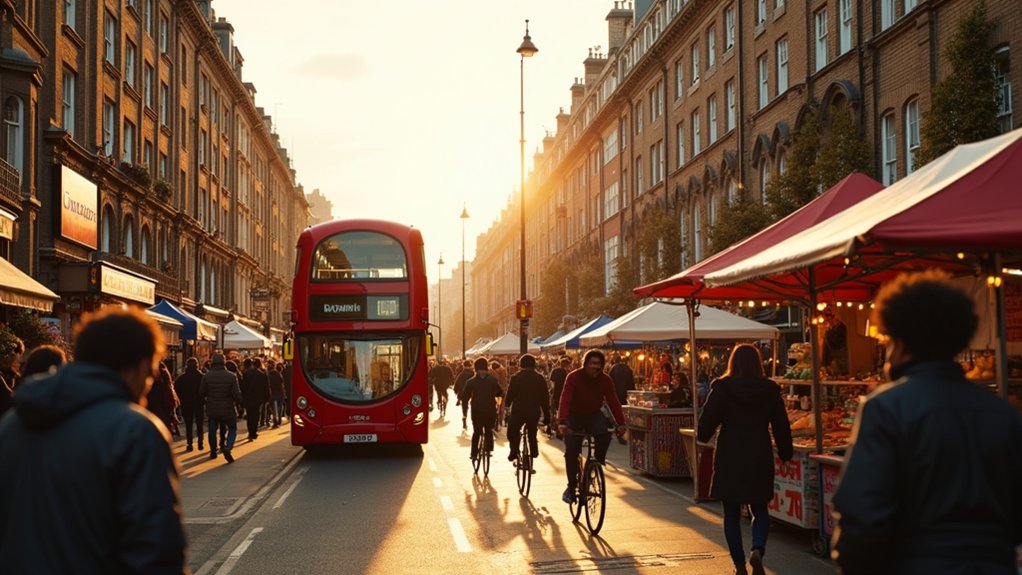
Brixton’s culture is distinctive because its property market sits within a genuinely multicultural, creative neighbourhood shaped by Caribbean heritage, independent businesses, live music, and strong community networks.
As you compare homes, you’ll notice how this identity supports demand across Brixton Village, Market Row, and Electric Avenue. These destinations combine diverse cuisine, specialist retailers, and local art, giving residents everyday access to experiences rarely found together elsewhere in London.
Live venues, community projects, and independent operators also create a resilient local economy, while the area’s Caribbean influence remains visible in food, festivals, music, and business ownership.
For buyers and landlords, that cultural depth can strengthen tenant appeal and protect long-term interest. You’ll want to assess noise, footfall, and proximity to amenities, because these factors directly influence rental positioning and property values.
Where Can You Find Victorian Homes in Brixton?
Victorian homes are concentrated around Brixton Hill, Tulse Hill, Herne Hill, and the streets north and east of Brixton town centre, where terraces, bay-fronted houses, and converted flats reflect late-19th-century development. You’ll find the strongest runs of period stock along Brixton Hill and Brixton Water Lane, with semi-detached villas and larger gardens appearing towards Tulse Hill and Herne Hill.
Streets near Loughborough Junction and Myatt’s Fields also include compact terraces, often updated behind original façades. Look for sash windows, decorative brickwork, generous ceiling heights, and rear extensions when evaluating a property’s retained character.
This historical architecture gives each pocket a distinct identity, while mature trees and consistent frontages add neighborhood charm. Conservation guidance varies by street, so you should check planning constraints before altering windows, roofs, or façades.
What Does Living in Brixton Cost?
Period character can influence what you’ll pay, but living costs in Brixton vary sharply by street, property type, and proximity to the town centre.
As a guide, recent market listings commonly place one-bedroom rents around £1,700–£2,100 monthly, while two-bedroom homes often reach £2,300–£2,900.
Victorian conversions typically command premiums for high ceilings, original fireplaces and private gardens, although basement flats can offer better value.
If you’re buying, prices frequently sit near £700,000–£800,000 on average, with substantial variation between terraces, modern apartments and leasehold maisonettes.
You’ll also need to budget for service charges, council tax, energy and potential renovation.
Affordable housing remains limited, so compare developments and eligibility carefully.
Local amenities add convenience, but cafés, markets and well-regarded schools can lift nearby values.
Set your budget around total monthly costs, not rent or mortgage alone.
How Well Connected Is Brixton?
With a Zone 2 Underground station at its centre, Brixton gives residents fast access to central London via the Victoria line, with trains reaching Victoria in around 10 minutes and Oxford Circus in roughly 15–20 minutes.
You’ll also find National Rail services from Brixton station, linking you south-east towards Herne Hill, Denmark Hill and Sutton, although routes and frequencies vary.
Numerous bus routes strengthen the local network, including night services, while cycle lanes and walkable high streets make shorter journeys practical.
For property buyers, that connectivity supports rental demand and keeps commuting times competitive with pricier central neighbourhoods.
Public transport is busiest during peak hours, so you should test your exact route before buying.
Community events and the market add local activity, but they can increase traffic and weekend noise near central streets.
Who Is Living in Brixton Best For?
Brixton best suits buyers and renters who want strong Zone 2 connectivity, a lively cultural scene and more space than they’d typically find closer to central London. You’ll find Victorian terraces, mansion flats and contemporary apartments, giving you varied routes into the market.
Its Community diversity shapes everything from independent food businesses to year-round events, while the nightlife scene attracts younger professionals and creatives seeking energy outside work hours.
Families can benefit from larger homes, established schools and green space around Brockwell Park, although demand can push prices higher than in less central south London districts.
You should also weigh weekend noise, busy streets and limited parking.
Frequently Asked Questions
What Schools and Nurseries Are Available in Brixton?
You’ll find strong state primaries, academies, and nurseries across Brixton, including Hill Mead, Sudbourne, and Jessop. Compare local school ratings, catchment areas, Ofsted reports, and nursery enrollment procedures before choosing your property.
Are There Parks and Green Spaces Near Brixton?
You’ll find plenty: Brockwell Park’s 50 hectares give you lawns, a lido and urban wildlife, while Myatt’s Fields Park adds community events. Nearby green space strengthens Brixton’s property appeal, offering recreation within walking distance of homes and transport.
How Safe Is Brixton for Residents and Visitors?
You’ll find Brixton generally safe, though Crime rates vary by street and time. Check Metropolitan Police data, lighting, transport routes, and local forums. Strong community safety initiatives support residents, while buyers should assess each property’s immediate surroundings.
What Healthcare Facilities Serve the Brixton Community?
You’ll find healthcare accessibility anchored by King’s College Hospital and Brixton’s GP practices: a medical safety net spanning urgent care, diagnostics, maternity services, and medical specialists, with pharmacies and clinics supporting everyday needs across SW9.
Are There Gyms, Sports Clubs, and Leisure Facilities in Brixton?
Yes, you’ll find gyms, sports clubs, and recreational facilities throughout Brixton, including fitness centers near the tube. These amenities strengthen rental appeal, support active lifestyles, and add practical value for local property buyers.
About the Author