If Birmingham stretches your housing budget, Wolverhampton may give you more room to manoeuvre. Property prices are generally lower, and areas such as Bilston, Wednesfield, and Bushbury offer larger homes at comparatively accessible prices. You’ll also find rail, tram, road links, green spaces, and ongoing regeneration supporting local demand. But affordability varies by neighbourhood, and transport, rental yields, and future development could change the calculation—so which areas best match your budget and plans?
Key Takeaways
- Wolverhampton is generally more affordable than Birmingham, offering larger homes and gardens for the same budget.
- Bilston, Wednesfield, and Heath Town provide some of the city’s best options for buyers with tighter budgets.
- Penn, Bushbury, and Whitmore Reans offer broader housing choices for buyers with moderate budgets.
- Strong transport links, including rail, Metro, and buses, support commuting to Birmingham and other major destinations.
- Buyers and investors should compare recent sale prices, inspect property condition, and assess rental costs, demand, and local development plans.
Is Wolverhampton Cheaper Than Birmingham?
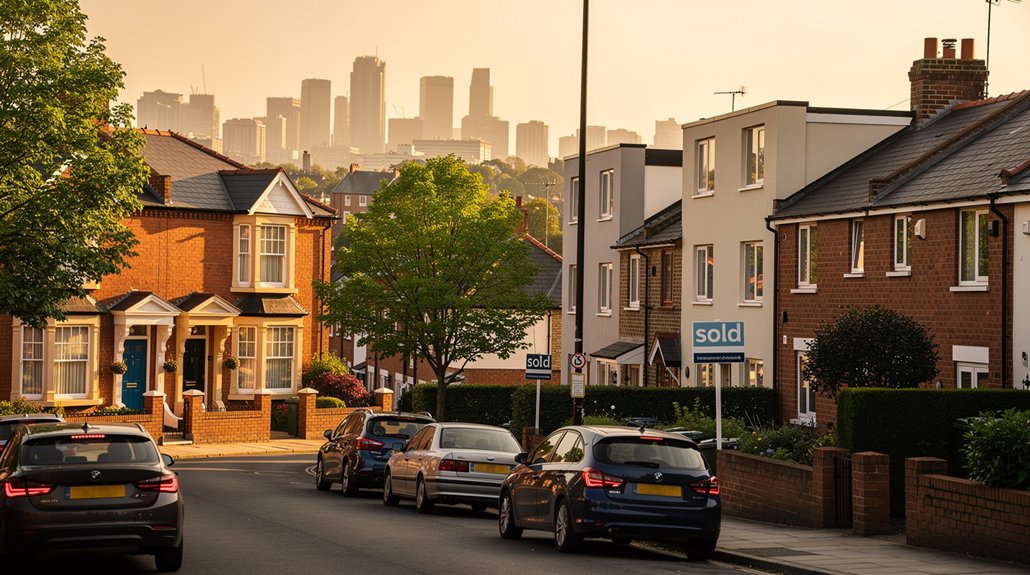
Wolverhampton is generally cheaper than Birmingham, particularly for homebuyers and renters seeking more space for their budget. Property price trends show a clear gap: Wolverhampton’s typical sale prices remain below Birmingham’s, although values vary considerably between neighbourhoods.
You’ll usually find stronger value in areas such as Bilston, Wednesfield, and Bushbury, while Tettenhall and Finchfield command higher prices. Your budget can thus secure a larger house or garden than it might in many Birmingham districts.
Rental market analysis also points to lower average rents across Wolverhampton, especially for family-sized homes. However, demand around the city centre, university, and transport routes can narrow the difference.
Compare current listings rather than relying on citywide averages, and check commuting costs, property condition, council tax bands, and local amenities before deciding where you’ll get the best overall value.
What Makes Housing Affordable in Wolverhampton?
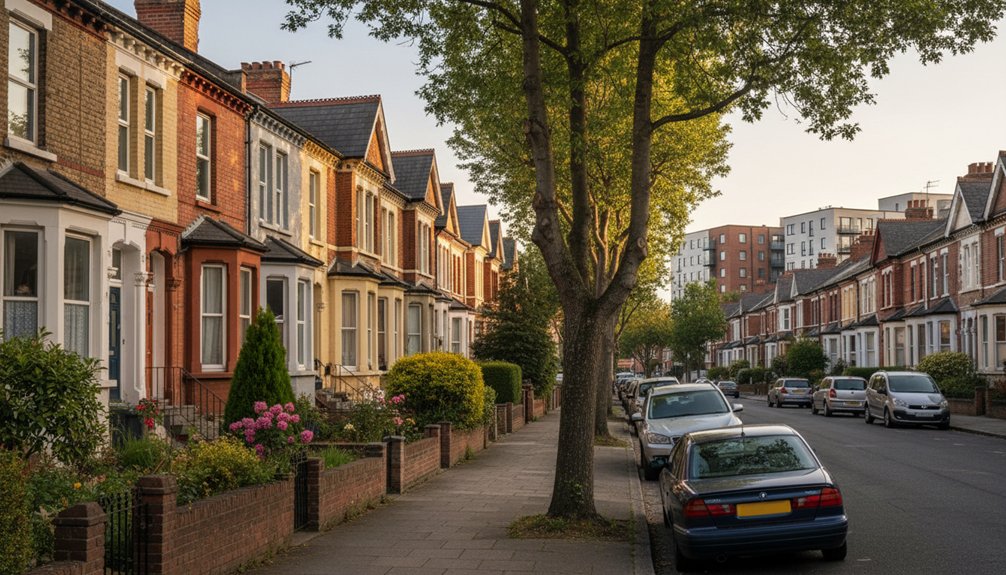
Several factors help keep housing affordable in Wolverhampton, including lower land values, a broad supply of older terraced and semi-detached homes, and regeneration in areas such as Bilston, Wednesfield, and parts of the city centre.
You’ll also find less competition than in Birmingham, which can moderate asking prices and give you more negotiating power.
Wolverhampton’s established transport links, including rail connections to Birmingham, support demand without matching Birmingham’s premium.
Local wages, property condition, and proximity to schools or stations still create noticeable price differences.
Track housing market trends through recent sold-price data, not just listing prices, and budget for surveys, repairs, and energy upgrades in older properties.
Comparing mortgage payments with local rents helps you judge affordability realistically.
These factors create opportunities across the city’s affordable neighborhoods, while regeneration may gradually influence future values.
Which Wolverhampton Areas Fit Your Budget?
If you’re working with a tighter budget, focus first on areas such as Bilston, Wednesfield, and parts of Heath Town, where older terraced homes often cost less than properties closer to Tettenhall, the city centre, or commuter rail links. Compare recent sold prices, council tax bands, and likely renovation costs before making an offer.
Bilston may suit you if you want more space, while Wednesfield offers a broader mix of terraces, semis, and newer developments. Heath Town can provide entry-level prices, but inspect properties carefully for damp, roof issues, and lease restrictions.
For a middle budget, consider Whitmore Reans, Penn, or Bushbury, checking street-by-street differences rather than relying on area averages. You’ll also find Historical landmarks and Cultural festivals nearby, adding lifestyle value without necessarily pushing prices into premium territory.
What Transport and Amenities Does Wolverhampton Offer?
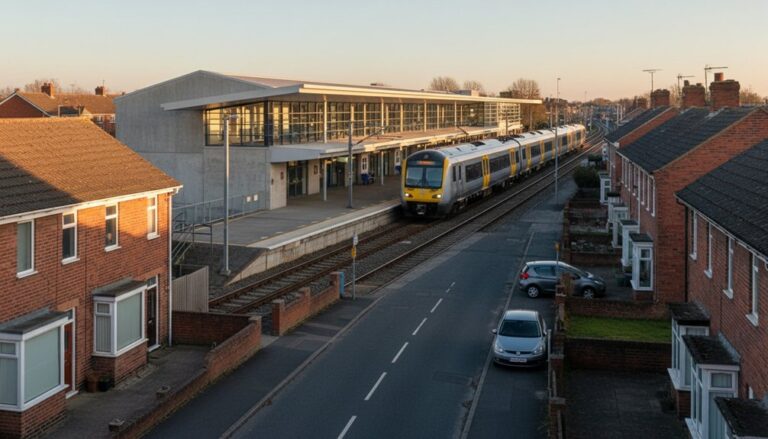
With direct rail connections to Birmingham, Shrewsbury, and London, plus the West Midlands Metro linking the city centre with Wednesbury and Birmingham, Wolverhampton can work well for commuters.
You’ll also find frequent National Express West Midlands buses serving Bilston, Wednesfield, Tettenhall, and surrounding districts. Public transport is concentrated around Wolverhampton Interchange, which combines rail, bus, and tram services, making cross-city journeys simpler.
For daily needs, the city centre provides supermarkets, pharmacies, banks, cafés, and the Mander Centre. You can access larger retail parks at Bentley Bridge and St George’s, while Wednesfield offers additional shops and services.
Local amenities include Wolverhampton Market, libraries, leisure centres, and healthcare facilities. Green spaces such as West Park and Bantock Park give you places to exercise or relax, and several primary and secondary schools serve established neighbourhoods.
Should You Buy or Invest in Wolverhampton?
Should you buy or invest in Wolverhampton? You can, if your budget, timeframe, and property strategy match local conditions.
Wolverhampton typically offers lower prices than Birmingham, while strong rail links, the university, and city-centre regeneration support rental demand.
Compare recent sold prices, not asking prices, across areas such as Tettenhall, Penn, and Bilston.
Historic neighborhoods can attract long-term buyers, but check conservation rules, maintenance costs, and parking.
For investors, calculate gross and net yields after mortgage interest, insurance, management, repairs, and vacancies.
Student lets may perform near the university, while family rentals often suit schools and commuter routes.
Luxury apartments could appeal to professional tenants, yet service charges can reduce returns.
Inspect flood risk, energy ratings, and planned developments before exchanging contracts.
Local agents and Land Registry data can sharpen your decision.
Frequently Asked Questions
What Is Wolverhampton’s Climate Like Throughout the Year?
You’ll find Wolverhampton’s climate mild and changeable: cool, wet winters average 3–8°C; springs gradually warm; summers reach 20–22°C; autumn cools quickly. Climate patterns bring rainfall year-round, while seasonal variations remain moderate.
Are There Reputable Schools and Educational Institutions in Wolverhampton?
You’ll find reputable schools across Wolverhampton, with varied School quality reflected in Ofsted ratings. Educational options include primary, secondary, grammar, sixth-form, Wolverhampton College, and the University of Wolverhampton, so you can compare locations, results, transport, and admissions.
What Cultural Attractions and Entertainment Venues Can Visitors Enjoy?
You’ll find a universe of culture in Wolverhampton: explore Wolverhampton Art Gallery, Bantock House, and the Grand Theatre; catch Cultural festivals, live music venues, sporting events, and independent cinema across the city.
How Safe Is Wolverhampton for Families, Professionals, and Retirees?
You’ll find Wolverhampton’s Neighborhood safety varies locally: compare West Midlands Police data and ward-level Crime rates before choosing. Families should inspect school routes, professionals should assess commuting areas, and retirees should prioritize quieter, well-served neighborhoods.
What Employment Opportunities Are Available Across Wolverhampton’s Major Industries?
You’ll find employment across Wolverhampton’s industry sectors, especially advanced manufacturing, aerospace, healthcare, education, logistics, retail, and public services. The Job market benefits from i54, Wolverhampton Business Park, hospitals, universities, and growing city-centre developments, supporting varied career paths.
About the Author