

If you’re moving from Birmingham to Wolverhampton, you could spend less on rent while keeping access to similar shops, services, and rail links. Lower property prices, manageable utility bills, and shorter local journeys can make your monthly budget stretch further, although wages, commuting patterns, and neighbourhood choice still matter. To judge whether the move truly saves money, you’ll need to compare housing, everyday costs, transport, and value across Wolverhampton’s key areas.
Key Takeaways
- Wolverhampton is generally more affordable than Birmingham, particularly for housing, dining, local transport, and leisure.
- Property prices range from approximately £120,000 for flats to over £300,000 for larger homes.
- Typical rents are £650–£850 monthly for one-bedroom flats and £850–£1,100 for two-bedroom properties.
- Monthly living expenses include roughly £200–£300 for groceries, £180–£250 for utilities, and £60–£80 for bus travel.
- It suits budget-conscious movers when local wages, commuting costs, neighborhood safety, and moving expenses fit their budget.
Is Wolverhampton Affordable Compared With Birmingham?
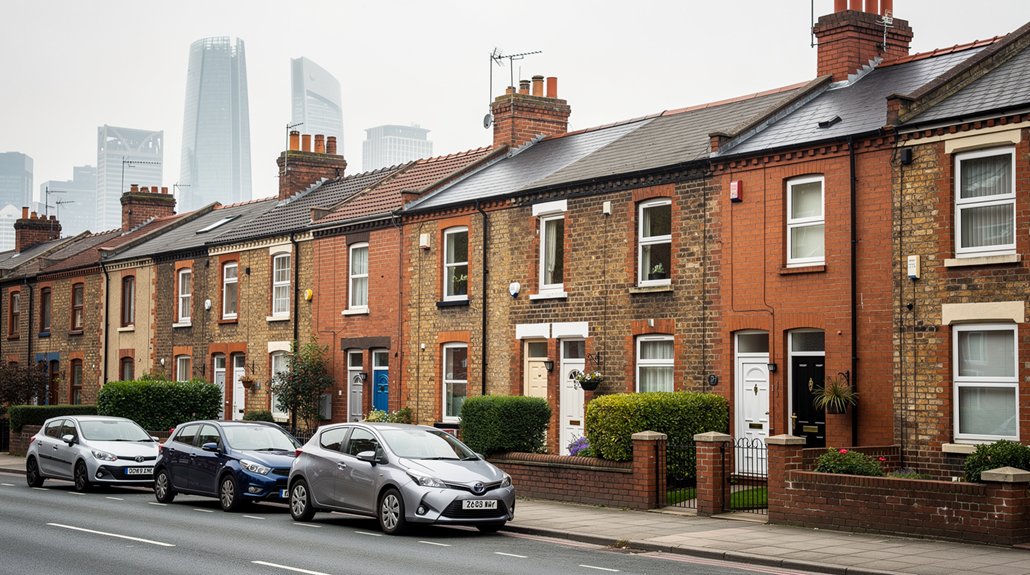
Yes—Wolverhampton is generally more affordable than Birmingham, particularly for housing. You’ll also find lower everyday costs in several categories, including dining, local transport, and leisure.
Exact savings depend on your lifestyle, commute, and neighborhood, so compare complete monthly budgets rather than headline prices. Wolverhampton’s compact centre can reduce travel time and spending, while regular rail services connect you with Birmingham for work or entertainment.
You’ll still access theatres, museums, historical landmarks, and cultural festivals without paying metropolitan-city premiums for every outing.
Employment opportunities are narrower than Birmingham’s, however, and some specialist services may require travel. Check salary differences, commuting fares, council tax bands, and childcare costs before deciding.
If your income remains similar, Wolverhampton can give you more financial flexibility and a stronger day-to-day value.
How Much Are Homes And Rents In Wolverhampton?
If you’re comparing housing costs, Wolverhampton typically offers better value than Birmingham, though prices vary considerably by neighbourhood, property type, and condition.
Recent listings commonly place modest terraced homes around £180,000–£230,000, while larger or renovated properties can exceed £300,000.
Flats often start near £120,000, making them worth considering if you’re buying alone or with a limited deposit.
In the rental market, you might find one-bedroom flats for roughly £650–£850 monthly and two-bedroom homes for £850–£1,100, depending on location and finish.
Central areas and popular neighbourhoods generally command premiums, while properties farther from the city centre may improve rental affordability.
Check several portals, compare sold-price data, and budget for deposits, fees, and maintenance.
The housing market changes quickly, so verify current figures before committing to an offer or tenancy.
What Do Bills, Groceries, And Transport Cost?
You’ll typically budget around £180–£250 monthly for utilities, depending on your home’s size, energy use, and tariff.
Groceries may cost roughly £200–£300 per person.
Local bus travel often starts near £60–£80 monthly with a pass.
Comparing providers, shopping at discount supermarkets, and using public transport can help keep your overall costs manageable.
Monthly Utility Bills
How much you spend each month in Wolverhampton depends largely on household size and lifestyle, but a single person can typically budget around £150–£220 for energy, £30–£45 for water, £35–£50 for broadband and mobile service, and £180–£280 for groceries.
For a two-bedroom home, energy use may rise to £180–£280, especially during winter, while water charges often reach £40–£55. Your actual bill depends on insulation, appliance efficiency, and whether you choose a fixed or variable tariff.
Include council tax separately: band B properties commonly cost roughly £1,500–£1,800 annually, depending on the local authority’s rate.
A careful utility cost analysis should also allow £20–£40 monthly for contents insurance and maintenance.
Comparing suppliers, using smart meters, and reducing heating waste can support budget friendly living without sacrificing comfort.
Groceries And Transport Costs
Once utilities and council tax are accounted for, groceries and transport will shape your day-to-day budget in Wolverhampton.
For one adult, expect supermarket spending of roughly £180–£250 monthly, depending on brands, dietary needs, and how often you shop locally. Markets and discount retailers can reduce costs, while sampling local cuisine may add occasional restaurant spending.
Public transport remains relatively manageable: a single bus journey often costs around £2, with monthly passes commonly ranging from £60 to £80, depending on coverage and operator.
If you commute by car, include fuel, parking, insurance, and maintenance; short urban trips can quickly exceed bus fares. Living near your workplace or a frequent route can cut transport spending considerably.
You’ll also save by walking or cycling to outdoor activities and nearby shops.
Do Wages And Commuting Make Wolverhampton Affordable?
Wolverhampton can be affordable when local wages are weighed against housing and commuting costs. If you earn around the regional median, compare your take-home pay with rent, council tax, utilities, and debt before deciding.
The city’s Cost of living often remains below Birmingham’s, but salary differences can narrow that advantage.
Employment opportunities span manufacturing, logistics, healthcare, education, retail, and public services. You’ll improve affordability by targeting roles with reliable progression rather than judging pay by headline salary alone.
Check typical starting wages, pension deductions, and overtime expectations.
Commuting can strengthen your budget if you work locally or use rail links to Birmingham, where trains take roughly 20–30 minutes before onward travel. However, season tickets, parking, and delays can erode savings.
Calculate monthly travel costs alongside net income, then test your budget under fare increases.
Which Wolverhampton Areas Offer The Best Value?
Value varies across Wolverhampton, so compare total monthly costs rather than relying on area reputation. For lower rents, check Bilston, Wednesfield, and parts of Heath Town, where terraces and flats often cost less than city-centre equivalents. You’ll need to weigh savings against transport time, parking, and property condition.
Tettenhall and Finchfield typically command higher prices, but you may gain larger homes, greener streets, and stronger resale demand. Use recent listings to calculate rent or mortgage payments, council tax, insurance, energy efficiency, and commuting expenses.
Check crime data, lighting, and resident feedback when evaluating neighborhood safety, not just headline statistics. If you’re considering real estate investment, compare rental yields with vacancy rates and maintenance costs.
Visit at different times before choosing, because street-level conditions can vary greatly within each district.
Will Wolverhampton Fit Your Moving Budget?
After comparing neighbourhood costs, test whether the full monthly budget still works for you. Add rent, council tax, utilities, broadband, transport, groceries, insurance, and moving expenses before deciding.
As a guide, keep housing near 30% of your take-home pay, then check whether essential bills leave room for savings and unexpected repairs.
Wolverhampton can offer lower rents than Birmingham, but prices vary sharply between districts and property types. Compare at least three current listings and verify energy ratings, because poor insulation can erase rent savings.
Review transport costs if you’ll commute regularly; a cheaper home farther out may cost more overall.
Practical cost saving tips include switching utilities, buying seasonal groceries, and using local buses.
Finally, research neighborhood safety, visit at different times, and budget for security measures if necessary.
Frequently Asked Questions
What Council Tax Bands and Rates Apply in Wolverhampton?
You’ll find Wolverhampton council tax split across Bands A–H; 2024/25 charges range from about £1,400 to £4,200. Check your postcode for exact figures, because Council tax classification and Band rate comparison vary by property.
Are There Affordable Childcare and School Options for Families?
Yes, you’ll find comparatively affordable nurseries, funded early-years hours, and varied primary and secondary schools. Check Childcare affordability against your income, then compare School quality ratings, admissions rules, transport costs, and inspection reports before choosing.
What Financial Assistance Is Available for Low-Income Residents?
You can access Financial aid programs through Universal Credit, Council Tax Reduction, Discretionary Housing Payments, and local welfare support. Check eligibility promptly, as Housing affordability improves when benefits cover rent, utilities, childcare, and essential costs.
How Expensive Is Healthcare and Dental Treatment in Wolverhampton?
Healthcare costs in Wolverhampton can be modest through the NHS—often free at point of use—while prescriptions may cost £9.90 each. Dental expenses vary: NHS check-ups and bands cost £27.40–£319.10; private care costs more.
Are There Hidden Moving Costs When Relocating to Wolverhampton?
Yes, you’ll encounter hidden fees beyond quoted moving expenses: parking permits, stair carries, packing materials, storage, insurance, cleaning, and utility connections. Request itemized estimates, confirm VAT, and reserve 10–15% for unexpected charges.
About the Author