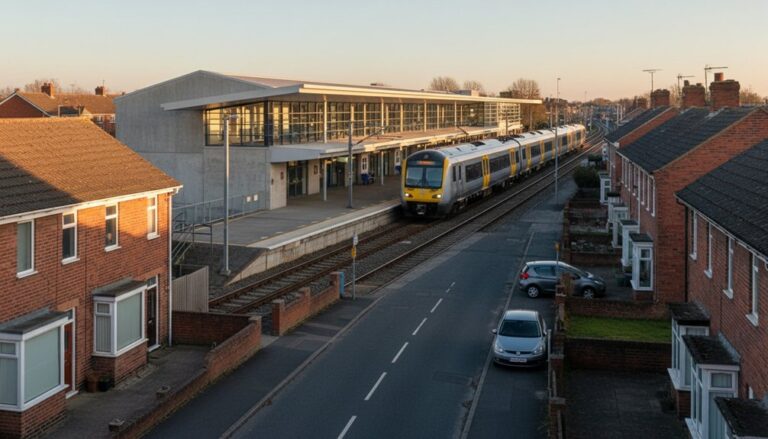
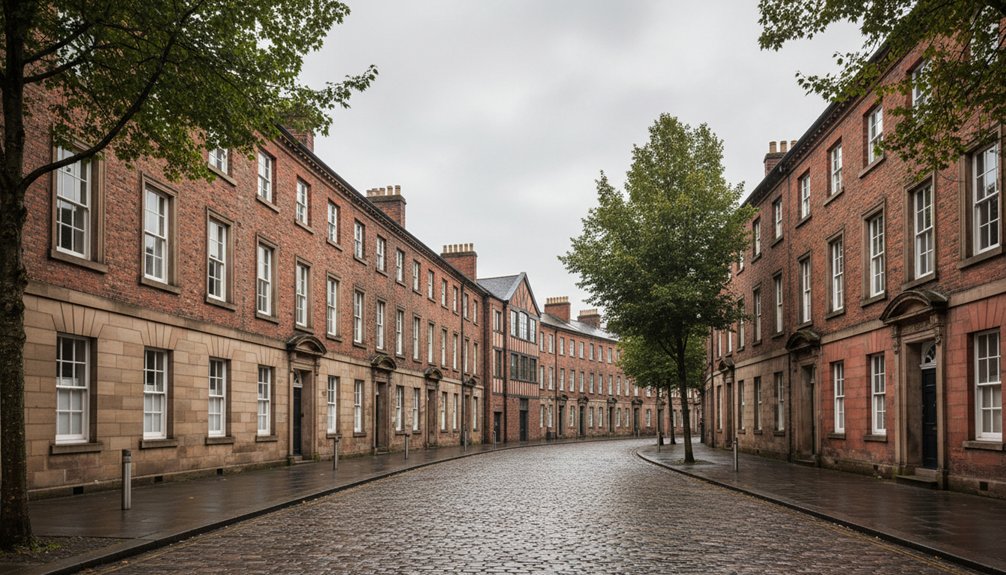
Like stepping into a Seamus Heaney landscape, Derry’s period terraces combine layered history with practical urban appeal. You’ll find sash windows, high ceilings, compact layouts, and streetscapes that can support thoughtful character conversions. Central locations may strengthen rental demand and resale prospects, but listed status, conservation controls, damp, and upgrade costs can reshape your budget. Before you commit, you’ll need to weigh architectural value against modern performance—and one local detail could determine whether the project stacks up.
Key Takeaways
- Derry offers attractive period terraces and character conversions with sash windows, fireplaces, high ceilings, slate roofs, and strong street presence.
- Character homes are concentrated in established areas including the City Walls, Bogside, Fountain, Waterside, and parts of Culmore.
- Conservation and listed protections preserve historic streetscapes, although they may restrict alterations and require additional approvals.
- Buyers should budget for potential roof repairs, damp treatment, rewiring, plumbing upgrades, and specialist restoration, plus 10–15% contingencies.
- Derry suits buyers seeking walkable neighbourhoods and heritage character, provided modern upgrades respect original layouts, materials, and architectural features.
Why Choose Derry for Period Homes?
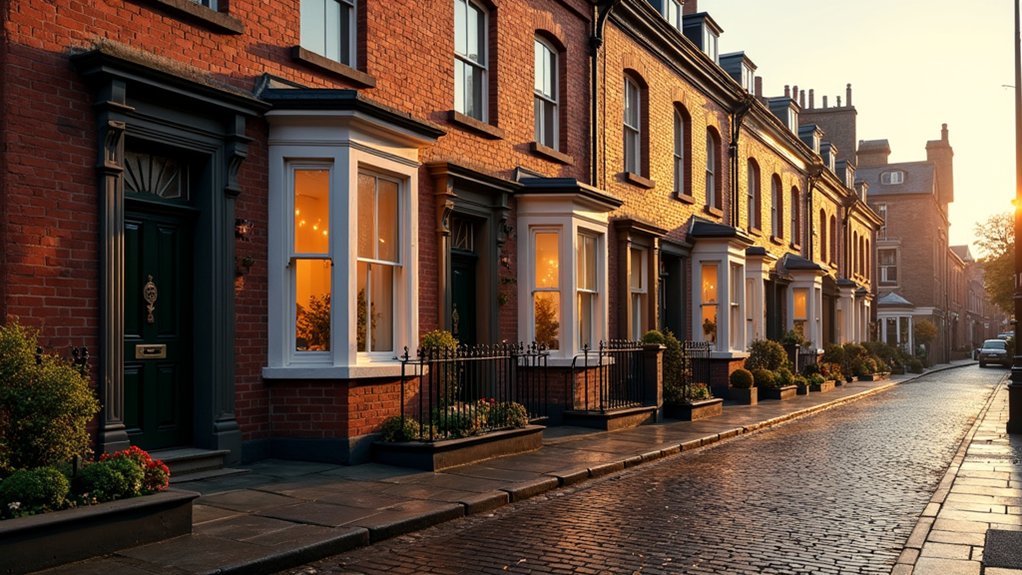
Derry is a strong choice for period homes because it combines architectural character with an active, well-established property market. When you buy here, you’ll find terraces and conversions offering proportions, craftsmanship, and street presence that newer builds often can’t replicate.
Historical architecture can support long-term appeal, particularly when original features, such as sash windows, fireplaces, cornicing, and high ceilings, remain intact. You should still assess roof condition, damp, insulation, wiring, and renovation permissions before making an offer.
Local conservation efforts can help protect distinctive buildings and streetscapes, although they may also limit alterations and require specialist materials. That balance makes due diligence essential.
You’ll benefit from an established urban setting, practical amenities, and a property type that can reward careful modernisation without sacrificing character or buyer appeal.
Which Derry Areas Have Character Homes?
From Georgian terraces to Victorian townhouses and converted period buildings, Derry’s character homes are concentrated in established central neighbourhoods rather than newer suburban developments. You’ll find notable stock around the City Walls, where historic streetscapes support strong buyer interest and rental demand.
The Bogside and Fountain can also offer older terraces and townhouses, often attracting purchasers seeking location, views, and renovation potential. Across the river, Waterside streets include traditional properties alongside newer schemes, giving you a broader choice of price points.
Culmore and parts of the Waterside may suit you if you want period character with more space, although availability varies. Review historical architecture, conservation considerations, transport links, and comparable sales carefully.
Local property markets change street by street, so use recent listings and local agent evidence before committing.
What Defines a Derry Period Terrace?
A Derry period terrace is typically a late-Georgian or Victorian home built as part of a continuous street frontage, with shared walls, tall sash windows, high ceilings, solid masonry, and rooms arranged off a central hall.
You’ll often find decorative brickwork, slate roofs, timber floors, original fireplaces, and narrow rear yards. These details give the property its Historic architecture appeal, but they also create practical responsibilities.
Check roof coverings, pointing, damp levels, sash-window condition, floor ventilation, and party-wall movement before you commit.
Later alterations may include rear extensions, modern kitchens, rewired services, or converted lofts, so inspect how sympathetically they meet the original fabric.
In established neighbourhoods, urban renewal can improve streets, public spaces, and amenities while preserving the terrace’s cohesive scale and distinctive frontage for future residents.
How Much Do Derry Period Homes Cost?
Although prices vary by street, condition, and architectural merit, Derry period homes can offer comparatively accessible entry points for buyers seeking character. You’ll typically pay more for a well-maintained terrace with original fireplaces, strong proportions, and a desirable location near the city centre.
Properties needing rewiring, roof repairs, damp treatment, or modern plumbing may appear cheaper, but you should price those works before making an offer. A survey matters: older construction can reveal defects that listing photographs won’t show.
Compare recent sold prices, not just asking figures, and allow for legal, mortgage, insurance, and renovation costs. Historic architecture can support long-term appeal, while Victorian charm may attract consistent buyer interest.
Your budget should thus cover both the purchase price and a realistic contingency, rather than relying on headline affordability alone.
Which Period Properties Suit Conversion?
The best period properties for conversion usually combine a sound structure, generous floor-to-ceiling heights, and a layout that can be adapted without sacrificing original character.
In Derry, look for terraced homes with wide front rooms, stable masonry, accessible rear yards, and well-proportioned windows. Properties with separate reception rooms can offer flexible living, workspace, or rental layouts, while corner terraces may provide better light and circulation.
Check roof condition, damp indicators, timber floors, services, and evidence of previous alterations before you commit.
A Historic neighborhood can strengthen long-term appeal, particularly when surrounding streets retain coherent façades and established amenities.
You’ll also want enough original detail—staircases, cornices, fireplaces, or doors—to support Architectural preservation without making the conversion financially impractical.
The strongest candidates balance character, usable space, repairability, and resale demand.
What Planning Rules Apply to Conversions?
Before buying, check whether your proposed conversion needs planning permission, listed-building consent, or approval under local development controls.
In Derry, requirements can vary with the building’s use, location, alterations, and impact on historic architecture. Ask the council’s planning service for written guidance, then confirm whether permitted development rights apply; don’t rely on an agent’s assumption.
You may need a change-of-use application, building-control approval, fire-safety upgrades, access provisions, parking assessment, or an environmental review.
For listed or conservation-area properties, consent can affect your programme, finance, and resale value. Review the local development plan and any area-specific policies before you commit.
Early professional advice helps you price compliance accurately and identify urban regeneration incentives, restrictions, or consultation requirements.
Build realistic contingencies into your offer and conversion budget.
How to Protect Derry’s Original Features
Protecting Derry’s original features starts with documenting their condition and identifying what gives the property its character, from sash windows and panelled doors to cornices, fireplaces, brickwork, and roof details. Photograph each element, record materials and profiles, and keep evidence of earlier alterations. You’ll then have a clear brief for designers, contractors, and prospective buyers.
Prioritise repair over replacement wherever practical. A joiner can splice damaged timber, reglaze sash windows, and match existing mouldings more sensitively than standard modern products. When replacement is unavoidable, specify accurate proportions, materials, and finishes rather than convenient substitutes.
Check whether your terrace sits within a conservation area or has listed status before changing elevations, openings, or roof coverings. This approach supports architectural authenticity, strengthens market appeal, and demonstrates responsible historic preservation while letting you modernise discreetly behind the original fabric.
What Maintenance Costs Should You Expect?
You’ll need to budget for routine upkeep, including gutter cleaning, exterior painting, roof checks, and servicing original windows and heating systems.
Restoration and repair costs can rise quickly when historic brickwork, timber, slate, or period detailing needs specialist attention.
Build a contingency fund and obtain itemised quotes before purchasing or scheduling major work.
Routine Upkeep Costs
Routine upkeep costs for period terraces and character conversions in Derry typically include heating, insurance, gutter cleaning, exterior painting, and repairs to roofs, windows, masonry, and older plumbing or electrics. You’ll also budget for annual boiler servicing, chimney sweeping, drain clearance, pest checks, and periodic servicing of alarms and appliances.
Premiums may reflect listed features, vacant periods, or higher rebuild specifications, so compare specialist policies carefully.
Heating can dominate monthly spending, particularly where solid walls and ageing windows limit energy efficiency. Track meter readings and prioritise draught-proofing that doesn’t compromise character.
If you own a yard or shared frontage, allow for garden landscaping, boundary maintenance, and waste removal.
A sinking fund helps you absorb predictable costs without confusing routine upkeep with major restoration and repair expenses.
Local tradesperson rates and access constraints can also influence quotations.
Restoration And Repair Expenses
Beyond routine upkeep, you should budget for larger restoration and repair works that can materially affect the cost of owning a period terrace or character conversion in Derry. Roof slates, chimneys, pointing, damp treatment, and timber windows often require specialist attention, particularly in exposed locations.
Historic craftsmanship can make repairs more skilled—and expensive—because contractors must match original materials and methods. Architectural details such as cornices, sash windows, ironwork, and decorative brickwork can also add labour costs.
Before buying, commission a detailed survey and request quotes from conservation-experienced tradespeople. Check whether the property sits within a conservation area or has listed status, as approvals may limit cheaper replacement options.
Keep a contingency fund of at least 10–15% for unforeseen defects, and compare insurance cover carefully: standard policies may exclude gradual deterioration, subsidence, or unapproved alterations.
Can Character Homes Suit Modern Living?
You can blend heritage with comfort by retaining original features while upgrading insulation, heating, and electrics. Updating room layouts may improve functionality, but you’ll need to preserve defining details such as fireplaces, cornices, and timber floors.
Careful design lets your home support modern routines without weakening its character or resale appeal.
Blending Heritage With Comfort
Character homes can deliver modern comfort without losing the details that make them distinctive, provided upgrades are planned around the building’s original fabric.
In Derry, you can improve warmth, efficiency, and everyday convenience while respecting sash windows, mouldings, exposed brick, and period fireplaces.
Start with discreet insulation, secondary glazing, efficient heating controls, and carefully positioned lighting; these measures protect character while reducing running costs.
Review electrics, plumbing, and ventilation early, using experienced tradespeople who understand older construction.
Your choice of finishes should complement the property’s architectural styles rather than imitate them cheaply.
Location also strengthens the proposition: access to schools, cafés, transport links, and other local amenities can make a character conversion more practical and marketable.
Updating Original Room Layouts
Once the building fabric and services are protected, the next question is whether the original layout works for contemporary routines. You’ll need to assess how each room supports cooking, working, relaxing, and hosting, rather than assuming every historic arrangement remains practical.
Period terraces often separate the kitchen from living spaces, provide limited storage, or include narrow circulation routes. In Derry, you can weigh these compromises against property value, buyer expectations, and proximity to Local amenities.
A measured layout review helps you identify which rooms deserve a new purpose and whether daily movement feels efficient. Historic architecture can still suit modern living when you plan around your household’s habits.
Consider furniture dimensions, natural light, privacy, and adaptable room use before committing to a purchase or conversion. This approach protects resale appeal without chasing fashion.
Preserving Character, Improving Functionality
Preserving original cornices, fireplaces, sash proportions, and timber details can give a Derry period home a stronger market identity, provided those features don’t prevent practical upgrades. You can protect its Historical significance while improving everyday comfort through discreet insulation, secondary glazing, efficient heating, and carefully planned lighting.
Retain the principal rooms’ proportions where possible, but use built-in storage, upgraded electrics, and durable finishes to support modern routines. Architectural preservation doesn’t mean freezing your home in time; it means identifying which details create value and which can adapt.
Before altering fireplaces, staircases, or external openings, check local restrictions and seek specialist advice. A well-considered conversion should feel authentic, warm, and efficient.
That balance can broaden buyer appeal, strengthen resale prospects, and help you enjoy the property without compromising its defining character.
Who Should Buy a Derry Character Home?
If you value original proportions, established streetscapes, and the potential to add modern comfort without erasing period detail, a Derry character home could be a strong fit. You’ll suit this market if you appreciate Historical architecture and can budget for specialist repairs, energy upgrades, and ongoing maintenance.
These properties work well for buyers who want walkable neighbourhoods, distinctive rooms, and a home with resale appeal beyond standard new-build features. You’ll also need patience: surveys may reveal damp, roof issues, outdated wiring, or planning constraints, so keep a contingency fund and seek conservation-aware advice.
Owner-occupiers can enjoy the character daily, while experienced investors may benefit from community revitalization and growing demand. If you value convenience above individuality, however, a turnkey property may better match your priorities and budget.
Frequently Asked Questions
Are Derry Period Terraces Energy Efficient?
Derry period terraces aren’t naturally energy efficient, but you can improve performance considerably. Preserve historic architecture while adding modern upgrades, including insulation, efficient glazing, airtightness measures, smart heating, and renewable systems, balancing comfort, costs, and character.
What Surveys Should Buyers Arrange Before Purchasing a Character Property?
One in five historic homes hides defects. Arrange a full building survey, damp and timber inspections, drainage checks, structural assessment, and specialist electrical reports. Verify historical significance, architectural preservation rules, and renovation permissions before exchanging contracts.
How Do Period Homes Perform During Winter Weather?
Period homes can perform well during winter, but you’ll need practical upgrades. Historic preservation guides sensitive improvements, while Weather resilience depends on insulation, roof condition, heating efficiency, draught control, ventilation, and thorough maintenance before severe weather arrives.
Are Mortgages Harder to Obtain for Derry Character Conversions?
Yes, you’ll often face greater financing challenges with Derry character conversions. Lenders scrutinise approval criteria, including valuation, structural surveys, listed status, renovation scope, insurance, and your deposit, but specialist brokers can help.
What Insurance Considerations Apply to Listed or Heritage Properties?
Nearly 1 in 3 heritage claims involve weather or water damage. You’ll face Heritage restrictions, specialist surveys, reinstatement requirements, and higher Insurance premiums; disclose alterations, compare specialist brokers, and verify adequate listed-building cover.
About the Author