
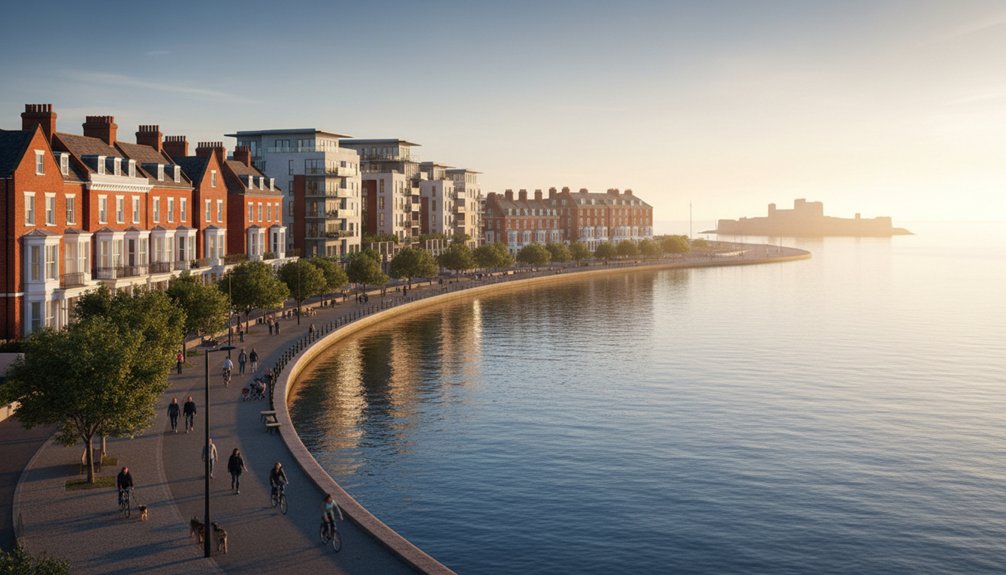
If you’re considering coastal living, Portsmouth could offer a practical balance between seaside access, historic character, and everyday convenience. You’ll find waterfront walks, lively neighbourhoods, strong transport links, and housing options ranging from period terraces to newer apartments. However, traffic, parking, and varying property prices can affect how comfortably the city fits your routine and budget. The key is knowing which areas match your priorities—and where the compromises become more noticeable.
Key Takeaways
- Portsmouth combines accessible beaches, harbourside walks, sailing, kayaking, and coastal cycling with strong everyday city amenities.
- Historic areas offer character and waterfront atmosphere, while newer developments provide energy efficiency, modern layouts, and practical facilities.
- Southsea, Old Portsmouth, Gunwharf Quays, and quieter northern neighbourhoods suit different lifestyles, budgets, and preferences.
- Commuting is convenient, but peak traffic, limited parking, coastal weather, and potential flood risks require consideration.
- Higher seafront costs are balanced by northern value, though buyers and renters should budget for service charges, insurance, and maintenance.
Why Choose Portsmouth for Coastal Living?
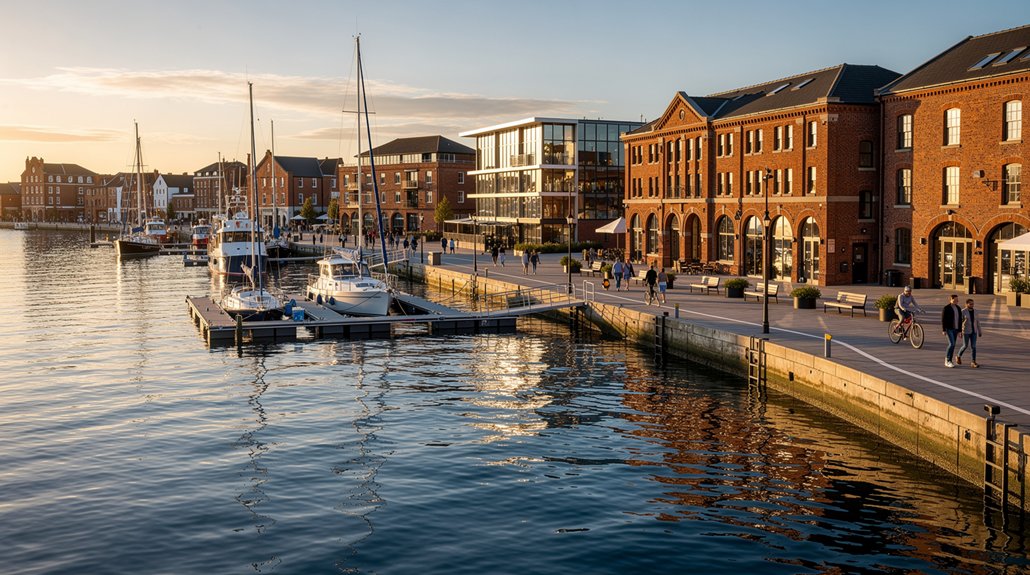
Portsmouth offers a distinctive coastal lifestyle, combining waterfront access with the convenience of a well-connected city. You can reach beaches, harbourside walks, and sailing facilities without sacrificing access to London, Southampton, or regional employment centres.
That combination supports resilient buyer demand, although prices and property types vary sharply between neighbourhoods. Historic waterfront areas often attract purchasers seeking character and strong architectural identity, while newer developments may provide better energy efficiency and practical layouts.
You’ll also find abundant seaside activities, from paddleboarding and ferry trips to coastal cycling, alongside museums and landmarks that reflect Portsmouth’s maritime history.
The trade-off is clear: waterfront property can command a premium, and exposed locations may face higher maintenance costs. Assess flood risk, transport links, and service charges before committing to a purchase.
What Is Daily Life Like in Portsmouth?
Daily life in Portsmouth balances a lively waterfront with the practical rhythm of a compact city. You can walk to the seafront, watch ferries move across the Solent, or join harbor activities such as sailing, kayaking, and paddleboarding.
The historic dockyard and museums add year-round interest, while regular markets and independent shops keep weekends engaging.
You’ll find local cuisine ranging from seafood and traditional pubs to international restaurants, with prices varying widely by venue.
Commuting can be convenient within the city, although peak traffic and limited parking may test your patience.
Coastal weather shapes routines, bringing bright outdoor days but also wind and rain.
Which Portsmouth Areas Fit Your Lifestyle?
Choosing the right Portsmouth area depends on whether you value waterfront access, period character, family space, or a shorter commute.
Old Portsmouth suits you if you enjoy historic streets, independent cafés, waterfront dining, and a lively atmosphere, though parking can feel limited.
Gunwharf Quays appeals if marina access, modern apartments, and entertainment rank highly.
While nearby Southsea offers Victorian homes, green spaces, and an active community feel.
Families often favour quieter streets in Eastney, Milton, or Drayton, where you’ll find more practical layouts and useful local amenities.
If commuting matters, Hilsea and Cosham provide strong transport links and access to everyday services.
Port Solent gives you waterside living and a marina-focused setting, but it feels more self-contained.
Visit each area at different times before deciding.
How Much Does It Cost to Live in Portsmouth?
Your Portsmouth budget will depend heavily on the area, property type, and whether you rent or buy. Rents typically rise near Southsea seafront, Old Portsmouth, and popular central streets, while you may find better value farther north or on the city’s edges.
Buyers should expect coastal premiums, especially for period homes, balconies, parking, or uninterrupted water views. Flats can offer a lower entry price, although service charges and maintenance deserve close attention.
A realistic Cost comparison should include council tax, utilities, insurance, commuting, and parking—not just the advertised rent or mortgage.
Housing affordability varies considerably between neighbourhoods, and competition can move prices quickly. You’ll need to weigh space against location, since a cheaper property may involve higher travel costs or renovation work.
Seasonal demand may also affect availability and pricing.
Would Portsmouth Suit Your Lifestyle and Budget?
Cost is only part of the decision; Portsmouth also needs to match how you spend your time and what you value at home. If you enjoy waterfront walks, naval heritage, and easy access to culture, the city offers plenty without requiring London prices. You can explore historical landmarks, catch events at the Guildhall, or sample local cuisine in Southsea and the Old Town.
However, your budget will stretch differently across neighbourhoods. Central and seafront homes often command premiums, while areas farther north may offer more space and better value, with longer commutes to the coast.
You’ll also need to weigh parking, period-property maintenance, and flood-risk checks near exposed waterfront locations.
Portsmouth could suit you well if you value convenience and character, but a quieter, larger home may require compromise on location and amenities.
Frequently Asked Questions
What Transportation Options Connect Portsmouth to Nearby Cities and Airports?
You’ll find Portsmouth connects efficiently by I-264, US-17, and Hampton Roads Transit; 18 miles separate it from Norfolk International Airport. Public transit serves nearby cities, though Traffic congestion can lengthen peak commutes across tunnels and bridges.
How Does Portsmouth’s Weather Vary Throughout the Year?
You’ll experience seasonal variations: mild, occasionally wet springs; warm, humid summers; crisp autumns; and cool winters with snow. Climate fluctuations remain manageable, though coastal winds, nor’easters, and storm surges can briefly disrupt daily routines.
Are There Reputable Schools and Childcare Facilities in Portsmouth?
Yes, you’ll find reputable schools and nurseries across Portsmouth, with strong options varying by neighbourhood. Check Ofsted ratings, admissions data, and waiting lists carefully; Educational excellence and Childcare quality differ, so research suits your family.
What Healthcare Services and Hospitals Are Available to Portsmouth Residents?
You’ll find healthcare facilities ranging from Portsmouth Hospitals University NHS Trust to local GP practices and pharmacies. Medical specialists cover cardiology, cancer care, maternity, and emergency treatment, though waiting times can vary; private options provide faster access.
How Safe Is Portsmouth Compared With Other Coastal Towns?
You’ll find Portsmouth’s crime rates vary by neighborhood, much like other coastal towns. Check local police data before moving; strong community safety, active residents, and sensible precautions help you judge each area confidently.
About the Author