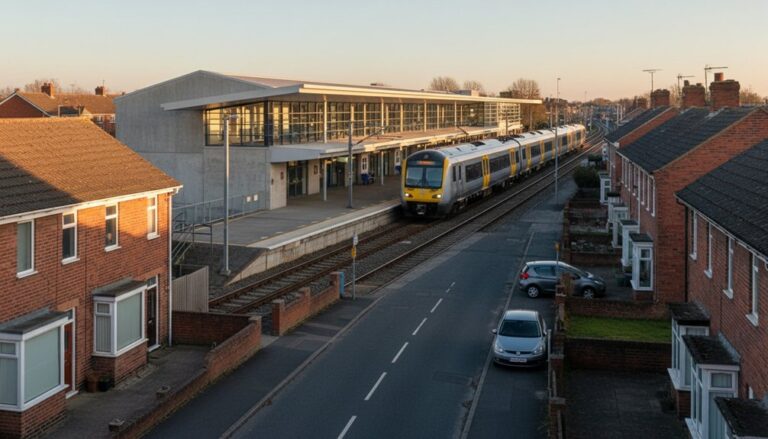

Newport can offer something many Welsh cities struggle to balance: comparatively affordable homes within easy reach of Cardiff and Bristol. You’ll also find strong rail links, improving employment prospects, cultural venues, and access to the Usk and surrounding countryside. But value depends on more than property prices, including commute times, local services, and long-term investment. So, could Newport deliver the best overall lifestyle for your budget—and where does it outperform its larger neighbours?
Key Takeaways
- Newport offers lower property prices and rents than Cardiff, providing more space and greater savings potential for families, students, and professionals.
- Excellent rail and road links connect Newport with Cardiff, Bristol, Swansea, and surrounding employment hubs, although peak congestion can affect journeys.
- Affordable housing is complemented by parks, riverside walks, cultural venues, shopping, festivals, and diverse dining options.
- Growing fintech, manufacturing, logistics, cybersecurity, and renewable-energy sectors create employment and investment opportunities.
- Regeneration, strong connectivity, and improving amenities make Newport a compelling contender for Wales’s best-value city.
How Do You Measure Newport’s Value?
Newport’s value depends on more than its average house price: you need to weigh housing costs against wages, commuting times, transport links, local services and everyday expenses. Start by comparing monthly housing payments with typical local earnings, then test how much time and money you’ll spend reaching Cardiff, Bristol or nearby employment centres.
Include council tax, energy, insurance, childcare and transport fares to calculate your realistic budget. You should also assess what your money delivers locally: schools, healthcare, broadband, parks and shopping all affect daily value.
Newport’s cultural attractions, including the Wales National Velodrome and Newport Cathedral, add accessibility and variety, while riverside paths, wetlands and surrounding hills support affordable outdoor activities.
A useful measure is your remaining disposable income after essentials, adjusted for convenience, amenities and quality of life.
Are Newport Property Prices the Best in Wales?
If you’re comparing Newport’s average property prices with Cardiff, Swansea and other Welsh cities, you’ll find a compelling balance between cost and connectivity.
Local affordability becomes clearer when you weigh prices against typical incomes, mortgage costs and rental demand.
You should also consider Newport’s growth potential, as regeneration and its transport links could influence future value.
Newport’s Average Property Prices
At around £215,000, Newport’s average property price sits below the Welsh average, giving buyers more space for their budget than they’ll typically find in Cardiff or Monmouthshire. That figure makes Newport attractive if you want a city home without stretching your mortgage.
You’ll find the widest choice in terraced properties, while flats can offer lower entry points and detached homes command higher prices, particularly in sought-after suburbs such as Langstone and Rogerstone.
Local amenities also strengthen the calculation: you can reach the city centre, transport links, schools, and green spaces without paying a premium solely for postcode prestige.
Historical architecture adds character, while cultural festivals contribute to Newport’s liveability.
Check recent sold prices, not just asking prices, and compare condition, running costs, and commuting needs before deciding whether the value truly works for you.
Value Compared With Welsh Cities
Compared with Cardiff, Swansea and Wrexham, Newport often gives you more floor space for your money while retaining city-level transport, employment and leisure links. Recent Land Registry comparisons typically place Newport’s average sale price below Cardiff’s, while its value proposition can compete with, or beat, Swansea and Wrexham depending on property type and neighbourhood.
You’ll find particularly strong comparisons in family-sized terraces and modern flats, where asking prices may secure additional bedrooms or outdoor space. Yet value isn’t only measured in square metres.
Newport offers rail connections, the Riverfront Theatre, Newport Market and nearby heritage sites, alongside growing Cultural attractions and Local cuisine. Compare like-for-like listings, factoring in condition, parking and commute times, because street-level differences can outweigh headline city averages when you’re choosing your next home.
Affordability And Growth Potential
Newport may not be Wales’s cheapest market, but its combination of lower entry prices and strong transport links gives buyers a credible affordability-and-growth case. You can often secure more space here than in Cardiff, while remaining within easy reach of the capital, Bristol, and major employment corridors.
That price gap supports first-time buyers, landlords, and families seeking value without sacrificing connectivity.
Look beyond today’s asking prices, though. Regeneration around the city centre, the university, and the southern industrial corridor could strengthen demand, although delivery and interest rates remain important risks.
Affordable housing supply will influence whether growth stays inclusive, particularly as rents and mortgage costs pressure household budgets.
You’ll also benefit from Newport’s Cultural amenities, including the Riverfront, Wales Millennium Centre connections, and local festivals.
Compare neighbourhood-level sold data, commuting costs, and rental yields before deciding whether Newport offers Wales’s best value.
How Easy Is It to Commute From Newport?
From Newport, you can use the M4, A48 and frequent rail services to reach Cardiff, Bristol and nearby employment centres.
You’ll need to compare journey times and fares carefully, as peak rail costs and M4 congestion can considerably affect your budget and routine.
The city’s central station and motorway access give you practical options, whether you’re commuting by train or car.
Road And Rail Links
With Cardiff just 12 miles away, Newport offers one of Wales’s most practical commuter locations, served by frequent trains on the South Wales Main Line and direct access to the M4. For you, that combination creates genuine flexibility: Newport station connects with Cardiff, Bristol, Swansea, and destinations beyond, while local services extend access across the city and surrounding communities.
The M4’s junctions 24 and 26 provide strategic links for drivers, although peak traffic around the Brynglas Tunnels and the Prince of Wales Bridge can affect reliability.
Newport’s transportation infrastructure also includes bus corridors, cycle routes, and park-and-ride options, giving you alternatives to a car-dependent routine. You’ll find scenic attractions, including the Usk River and wetlands, close to these routes, making everyday travel feel less purely functional.
Commuting Times And Costs
For commuters, Cardiff is typically around 15–25 minutes by train from Newport, while Bristol often takes roughly 30–45 minutes, depending on the service and time of day. That puts major employment centres within practical reach, especially if you work near Cardiff Central, Bristol Temple Meads, or Newport stations.
You’ll also find frequent services, although peak trains can become crowded and delays can affect your routine. Public transport costs vary by ticket type, operator, and how often you travel; season tickets may offer savings for regular commuters, but compare prices carefully.
Driving gives you greater flexibility, yet fuel, parking, and congestion can quickly outweigh that convenience. Newport’s lower housing costs can offset commuting expenses, strengthening its Cost of living advantage.
Calculate your monthly travel budget before choosing where to live.
What Jobs and Investment Opportunities Are Growing?
Newport’s economy is gaining momentum in fintech, advanced manufacturing, logistics and cybersecurity, supported by its position on the M4 corridor and proximity to Cardiff and Bristol.
As you assess opportunities, you’ll find demand for software developers, data specialists, engineers and skilled technicians, particularly around Celtic Business Park, Imperial Park and the city’s innovation networks.
Tech startups benefit from lower premises costs than Cardiff, while university links help employers recruit and develop talent.
Renewable energy is creating further potential through grid upgrades, energy efficiency, and supply chains supporting South Wales projects.
Logistics continues to expand around the M4, generating warehouse, transport and planning roles.
Public and private investment is targeting digital infrastructure, brownfield regeneration and advanced production, so you’ll see opportunities for employment, contracting and business growth.
What Can You Expect From Life in Newport?
Life in Newport combines city convenience with relatively manageable housing costs, easy M4 access and quick rail connections to Cardiff and Bristol. You can reach Cardiff by train in roughly 15 minutes, while Bristol is typically under an hour, making commuting practical without sacrificing local life.
At home, you’ll find riverside walks, Newport Wetlands, Belle Vue Park and the Wales Coast Path within easy reach. The city’s compact centre supports independent cafés, markets and entertainment, while Friars Walk adds mainstream shopping and restaurants.
Local cuisine ranges from Welsh produce and seafood to global dishes reflecting Newport’s diverse communities.
Throughout the year, Cultural festivals, live music and events at Riverfront Theatre keep the calendar active. You’ll also benefit from strong community facilities, sports clubs and nearby countryside, giving everyday life a balanced urban-and-outdoor character.
Is Newport the Best-Value City in Wales?
Could Newport be Wales’s best-value city? You’ll find a convincing case in its balance of housing, transport, and everyday spending.
Compared with Cardiff, Newport typically offers lower rents and property prices, while its railway station and M4 links keep commuting practical. That difference can leave you more money for savings, childcare, or weekends out.
You’ll also get strong value from the city’s growing cultural attractions. Newport Cathedral, the Riverfront Theatre and Arts Centre, and the National Roman Legion Museum in nearby Caerleon offer varied experiences without big-city prices.
Independent cafés, markets, and restaurants make local cuisine accessible, from Welsh produce to international flavours.
You shouldn’t ignore regional wage differences or rising costs, but Newport’s compact centre and improving amenities strengthen its claim.
For budget-conscious professionals, families, and students, value here feels measurable, not merely advertised.
Frequently Asked Questions
What Are Newport’s Best Schools and Educational Opportunities?
You’ll find Newport’s strongest schools through Wales’ school rankings, with St Joseph’s RC High, Rougemont School, and Bassaleg High often attracting attention. You can also access Coleg Gwent, apprenticeships, universities, and diverse extracurricular programs.
How Reliable Are Newport’s Healthcare Services?
You’ll find reliable healthcare quality in Newport, though waiting lists can test your patience—apparently, queues build character. Medical facilities include Royal Gwent Hospital and local GP practices, with NHS Wales data guiding expectations about access and performance.
What Is Newport’s Cultural and Historical Heritage?
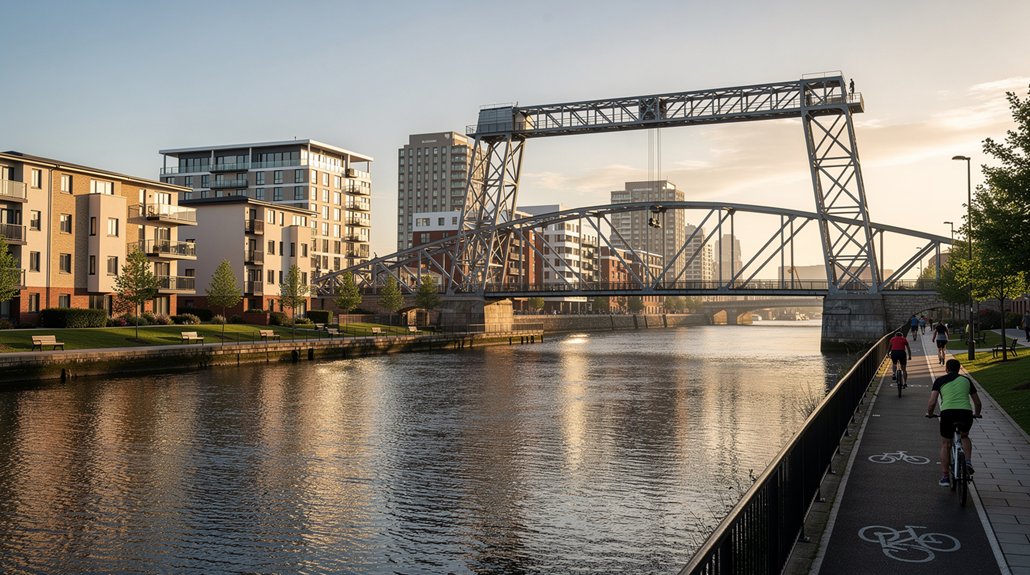
You’ll find Newport’s heritage in Historical landmarks like Newport Castle and the Transporter Bridge, while Cultural festivals celebrate Welsh identity. Explore museums, Roman Caerleon, and local archives to connect the city’s industrial, military, and community histories.
Are There Green Spaces and Outdoor Activities in Newport?
You’ll find over 1,000 acres of parks and open spaces across Newport, giving you room to explore urban parks, cycle routes, wetlands, and outdoor sports, from rowing at International Sports Village to walking Tredegar House.
How Safe Is Newport for Residents and Visitors?
You’ll find Newport generally safe for residents and visitors, though public safety varies by neighbourhood. Check current crime rates, stay alert around nightlife and transport hubs, and follow local guidance; most visits remain trouble-free.
About the Author