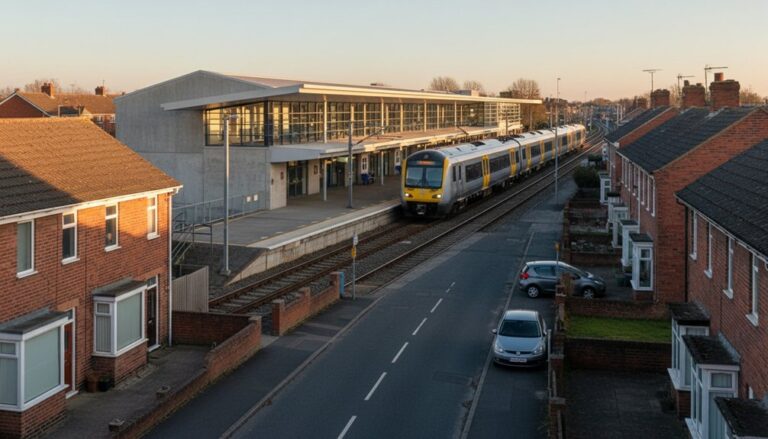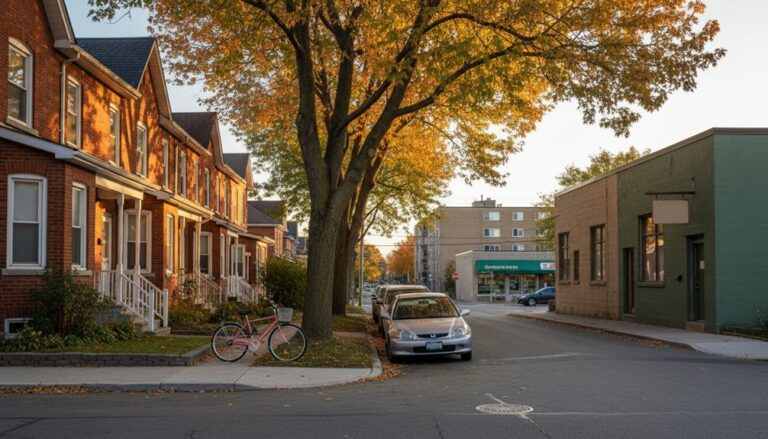

You may not realise that Slough homes near Elizabeth Line stations can command a noticeable premium, even when similar properties elsewhere offer more space. Slough estate agents say prices are being shaped by fast London and Heathrow access, limited supply, and steady demand for family houses and modern apartments. Your budget, commute, and property condition will thus matter as much as size—but local differences could change the value equation more than you expect.
Key Takeaways
- Slough property prices reflect mortgage rates, affordability, buyer confidence, wage growth, and limited housing supply.
- Homes near Slough station and Elizabeth line connections typically attract stronger demand and higher prices.
- Family buyers favour energy-efficient homes with gardens, practical layouts, schools, and convenient access to transport.
- Commuters value Slough’s approximately 15–25-minute rail journey to Paddington and connections to Heathrow, the West End, and the City.
- Buyers should compare recent Land Registry sales, service charges, travel costs, and resale potential rather than relying solely on asking prices.
What Are Slough Property Prices Doing Now?

If you’re tracking Slough property prices, current conditions point to a market shaped by affordability, cautious buyers, and steady commuter demand. You’ll find values responding to mortgage rates, wage growth, and limited supply rather than moving uniformly across every neighbourhood.
Homes near stations and fast Elizabeth line connections can command stronger interest, while less-connected streets may require sharper pricing. Recent asking prices don’t always reflect completed-sale values, so you should compare Land Registry evidence with current listings before judging momentum.
Luxury apartments face competition from newer developments, making service charges and resale potential important price factors. For investors, rental yields, tenant demand, and financing costs determine whether Investment opportunities remain attractive.
You’ll also need to distinguish short-term negotiation room from a genuine market decline when evaluating Slough’s latest pricing direction.
What Are Buyers Looking for in Slough?
You’ll find strong buyer demand in Slough locations offering quick rail links, especially for commuters balancing London access with local amenities.
You’re also likely to see modern family homes attract attention, with buyers prioritising practical layouts, energy efficiency, and outdoor space.
This combination of connectivity and liveability continues to influence pricing and competition across the market.
Commuter-Friendly Locations
When you’re comparing Slough locations, commute time and transport reliability often matter as much as the property itself. Areas near Slough station attract buyers who value fast Elizabeth line and mainline connections towards London, Heathrow, and Reading. You’ll usually see stronger demand, and sometimes firmer pricing, within practical walking or cycling distance of stations and key bus routes.
Langley appeals to commuters seeking Elizabeth line access, while Burnham offers rail links with a quieter setting. Estate agents also report that buyers assess peak-time reliability, parking pressure, and journey costs before making offers.
Don’t overlook local amenities: supermarkets, cafés, schools, and healthcare can reduce daily travel. A welcoming community vibe may also support resale appeal, particularly when transport upgrades improve accessibility and strengthen long-term buyer confidence across Slough.
Modern Family Homes
Modern family homes in Slough increasingly need to balance space, energy efficiency, and commuter convenience. As you compare properties, prioritise adaptable layouts, reliable broadband, and practical storage for hybrid working and growing children.
Demand remains strongest for three- and four-bedroom houses near Crossrail stations, major road links, schools, and everyday amenities. You’ll also notice buyers increasingly assess running costs, so double glazing, efficient heating, solar panels, and strong EPC ratings can support both resale value and affordability.
Luxury upgrades, including landscaped gardens, modern kitchens, and home offices, may justify premiums when they improve daily living rather than simply appearance.
Access to green spaces matters, too: parks and walkable recreation areas can strengthen family appeal.
Ask agents for recent comparable sales, energy details, and realistic journey times before offering.
Which Slough Areas Suit Different Buyers?
Different parts of Slough suit different buyers, with location, budget, property type, and commuting needs shaping demand. If you want urban convenience, central Slough offers flats, terraces, and newer developments, often at more accessible prices than surrounding commuter towns.
Buyers seeking space and quieter streets may prefer Langley, where family houses, gardens, schools, and village-style amenities support steady demand.
Datchet appeals to purchasers prioritising character, green space, and premium housing, while Cippenham can suit families wanting larger homes without the highest local price tags.
You’ll find luxury apartments and newer homes around regeneration areas, attracting professionals and downsizers.
For landlords, proximity to employment hubs and varied tenant demand create investment opportunities.
Compare sold prices, rental yields, property condition, and future supply before choosing the area that fits your goals.
How Do Commuter Links Affect Slough Prices?
If you prioritise a faster commute, you’ll often pay more for homes near Slough station and key transport links.
Improved rail and road connections can increase buyer demand, supporting stronger prices and quicker sales.
Compare journey times with recent local sales to judge whether the commuter premium offers value.
Faster Commutes, Higher Prices
For many buyers, a shorter commute can justify paying more, making Slough’s rail connections a key driver of local property prices. If you work in central London, shaving minutes from your daily journey may support a higher budget, particularly for homes within convenient reach of Slough station.
Estate agents often see the strongest price premiums attached to properties offering reliable access, practical layouts and lower travel friction, rather than simply larger floor areas. You’ll still find better value in affordable neighborhoods farther from the station, where prices may reflect longer walks or additional local travel.
At the upper end, luxury amenities can strengthen a property’s appeal, but buyers usually weigh them against commuting costs. Compare sold prices by station distance, journey time and property type before deciding whether the premium fits your finances.
Transport Links Drive Demand
Slough’s transport links can raise buyer demand and support higher prices, especially around stations with fast, reliable services to London. If you commute, you’ll often accept a premium for shorter, more predictable journeys, particularly when Elizabeth line connections reduce travel times to central employment hubs.
Estate agents typically compare sold prices, rental yields, station distances, and recent buyer competition to measure this effect. However, transport access won’t guarantee growth. You’ll still weigh Local amenities, school quality, parking, and noise before making an offer.
Homes within a convenient walk of Burnham, Slough, or Langley stations may attract stronger interest, while poor pedestrian routes or service disruption can weaken the premium.
Track journey times, planned infrastructure, and comparable sales, because demand can shift quickly as affordability and mortgage costs change.
How Do Slough Estate Agents Value Property?
Slough estate agents typically value a property by comparing recent local sales, current buyer demand, condition, size, and proximity to commuter routes such as Slough station and the Elizabeth line.
You’ll usually receive a more accurate valuation when agents adjust comparable prices for floor area, parking, outdoor space, lease terms, and energy efficiency. They’ll also assess supply levels: limited stock can support stronger asking prices, while competing listings may encourage sharper pricing.
Luxury apartments often command premiums for concierge services, views, modern specifications, and station access. Conversely, homes near historic landmarks may attract buyers seeking character and a distinctive setting, though maintenance costs can affect value.
Your agent should combine evidence from completed transactions with current market signals, rather than relying solely on online estimates or optimistic asking prices. This approach helps you position your property competitively for commuter demand.
What Should Buyers Check Before Offering?
Once you’ve judged whether the asking price reflects local evidence, check the property and purchase terms before making an offer. Assess roof, windows, heating, electrics, damp, and insulation, then price likely property renovation using contractor estimates rather than optimistic guesses.
Ask when major works were completed and whether guarantees remain valid. For a commuter purchase, test the journey at your actual travel time, including walking, parking, and station access, without turning this into a broader value comparison.
Review service charges, ground rent, council tax, broadband availability, and any planned building works. Your solicitor should investigate title restrictions, extensions, rights of way, flood risk, and planning history: these legal considerations can affect mortgageability and resale.
Check fixtures, completion dates, and onward-chain details too. Keep your offer conditional on satisfactory surveys and conveyancing.
Is Slough Still Good Value for Commuters?
Is Slough still good value for commuters? For many buyers, it remains competitive because you can reach London Paddington in roughly 15–25 minutes by rail, while average sale prices generally sit below comparable locations in west London.
Elizabeth line services add faster connections to Heathrow, the West End and the City, strengthening rental demand and supporting resale prospects. However, you’ll need to compare total costs, not just asking prices. Season-ticket fares, service charges, parking and mortgage rates can narrow the apparent saving, particularly in newer developments.
Luxury apartments may offer concierge facilities and excellent transport access, but premiums require careful yield analysis. You’ll also find established neighbourhoods, schools, parks and historical landmarks that support long-term appeal.
Check journey frequency, platform changes and local pricing evidence before deciding whether Slough delivers genuine value for your commute.
Frequently Asked Questions
What Additional Costs Should Buyers Budget for When Purchasing in Slough?
What additional costs should you budget for in Slough? Include stamp duty, conveyancing, surveys, additional inspections, mortgage costs, searches, removals, insurance, service charges, and potential renovations. Commuters should also compare transport expenses with projected monthly repayments.
How Long Does the Typical Slough Property Sale Take?
You’ll typically complete a Slough property sale within three to four months, though your Property valuation, buyer’s mortgage, conveyancing, and chain can extend timelines. Market trends and commuter demand may accelerate well-priced homes.
What Legal Checks Are Required Before Exchanging Contracts?
Like checking every signal before your commute, you’ll need conveyancing searches, title verification, mortgage conditions, property forms, planning permissions, and identity checks. Your solicitor completes Legal procedures and Contract validation before you exchange contracts securely.
Can Buyers Negotiate Estate Agent Fees in Slough?
Yes, you can negotiate estate agent fees in Slough. Use negotiation tactics, compare fee structures, request itemised costs, and leverage competing quotes, transaction speed, and commuter-area demand to secure better terms.
How Do Schools Affect Slough Property Choices for Families?
You’ll often prioritise school quality when choosing Slough property, weighing Ofsted results, catchment boundaries, and travel times. Extracurricular activities also influence demand, while commuter access and resale prospects shape your budget and preferred neighbourhood.
About the Author