If you’re considering countryside cottages or stone farmhouses, Newry offers rural character without cutting you off from everyday essentials. You’ll find period features, scenic settings, and reasonable access to local towns, but older properties can hide costly issues involving roofs, drainage, heating, and planning restrictions. Prices also vary sharply by location and condition. Before you decide whether Newry suits your move, it’s worth looking at the property styles, likely costs, and checks that could shape your budget.
Key Takeaways
- Newry offers countryside privacy, traditional character, and convenient access to shops, schools, healthcare, transport, and the city.
- Stone farmhouses provide charm and space, but may require substantial investment in roofs, insulation, drainage, utilities, and access.
- Renovated cottages and newer rural homes offer lower maintenance, better energy efficiency, and modern amenities, though usually at higher prices.
- Prices typically range from about £180,000 for modest cottages to over £500,000 for larger, renovated properties.
- Before buying, commission surveys and legal checks covering structure, damp, services, access, boundaries, and planning permissions.
Why Choose Newry’s Countryside Homes?
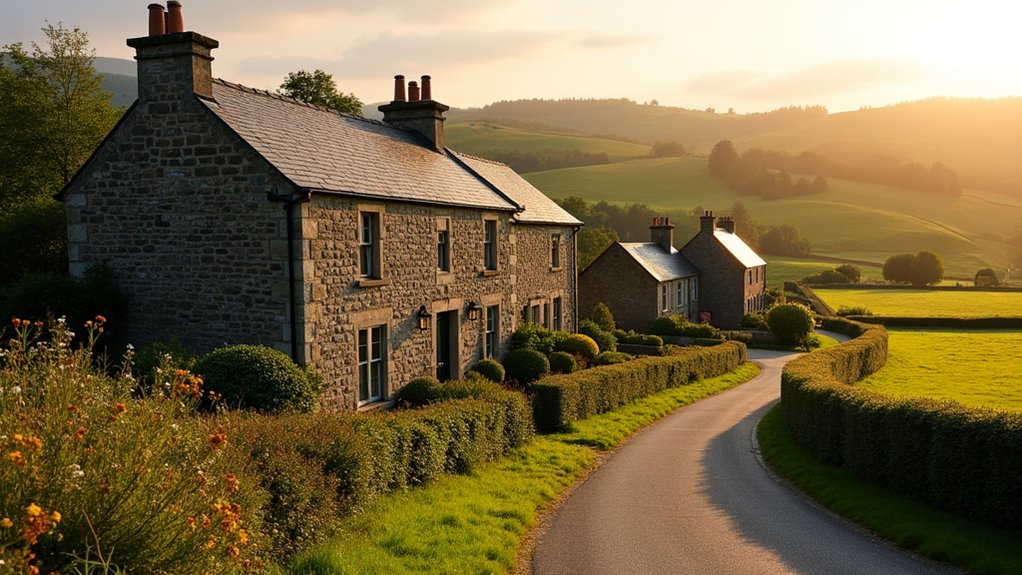
Newry’s countryside homes give you a practical blend of rural privacy, traditional character, and easy access to the city and surrounding Mourne landscape. You’ll find quieter surroundings without sacrificing convenient journeys to shops, schools, employment, and transport links.
Many properties offer Historic charm through exposed stone, mature gardens, original fireplaces, and thoughtfully retained architectural details. At the same time, modern upgrades can provide Luxury amenities, including efficient heating, contemporary kitchens, high-speed broadband, and well-designed entertaining spaces.
Local market demand remains strongest for homes that balance authentic features with reliable infrastructure and manageable running costs. Before you commit, check broadband availability, access roads, drainage, oil-tank condition, and planning history.
A survey should also assess older masonry, roofs, boundaries, and outbuildings, helping you buy confidently and budget realistically.
Which Rural Property Style Suits You?
Choosing between a stone farmhouse, a renovated cottage, or a newer rural home depends on how much character, space, and maintenance you’re prepared to take on.
Stone farmhouses suit you if you value thick walls, traditional details, and generous grounds. However, you’ll need to budget for insulation, roofing, and ongoing repairs.
Renovated cottages offer charm with fewer immediate jobs, although compact layouts can limit flexibility for growing families.
Newer rural homes typically provide better energy performance, modern storage, and lower maintenance, making them practical for busy households.
Consider which Architectural styles complement your lifestyle, from exposed stone to clean contemporary lines.
If you want Luxury amenities such as underfloor heating, bespoke kitchens, or spa-style bathrooms, compare renovation quality carefully.
A local surveyor can identify hidden costs before you commit.
Where Can You Find Stone Farmhouses Near Newry?
You’ll find stone farmhouses in rural areas around Newry, including the Mourne foothills, Bessbrook, and the country lanes near Camlough. These locations offer traditional character, open views, and easier access to town than more remote countryside.
Check local listings carefully, as renovation needs, road access, and land size can substantially affect value.
Stone Farmhouses Near Newry
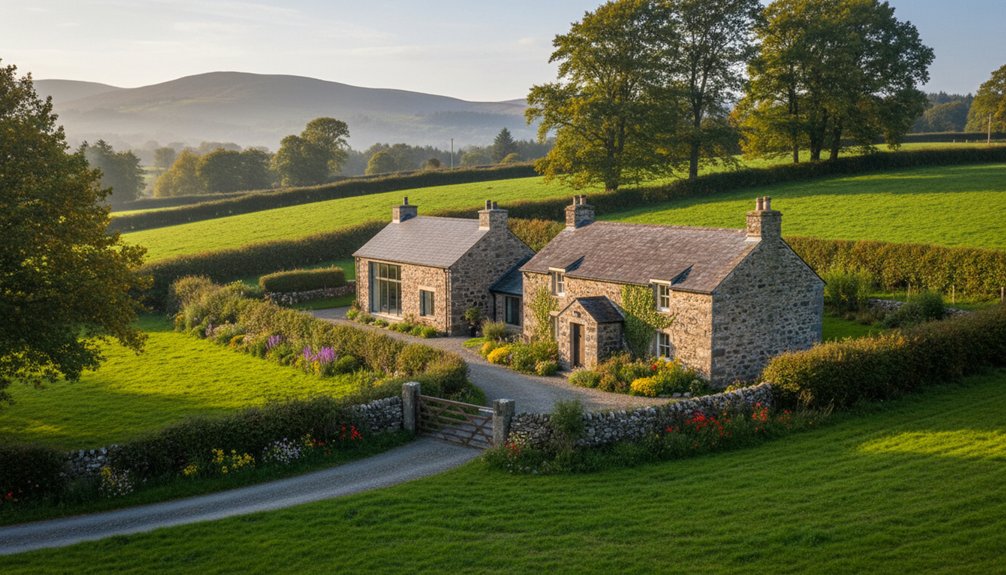
Stone farmhouses near Newry are easiest to find along the Mourne foothills, the rural roads around Camlough and Newtownhamilton, and the country lanes toward Warrenpoint and Rostrevor. You’ll also see them on older holdings outside villages, where thick walls, slate roofs, and enclosed yards reflect local building traditions.
Before you arrange a viewing, check whether the property is listed, structurally sound, and connected to mains services. Farmhouse renovation can uncover attractive original features, but roof repairs, insulation, drainage, and access improvements may considerably affect your budget.
Local agents can clarify planning history and recent sale prices, helping you compare restored homes with renovation projects.
For interiors, Rustic decor works well when you balance exposed stone and timber with modern heating, lighting, and practical storage. That approach protects character without sacrificing everyday comfort.
Rural Areas To Explore
If you’re exploring rural areas near Newry, start with the Mourne foothills, where lanes around Cabra, Hilltown, and Bryansford lead to older farmsteads with mountain views. You’ll find characterful stone properties around Warrenpoint’s hinterland, Rostrevor’s wooded slopes, and the quieter roads beyond Kilbroney.
These locations offer different lifestyles: Rostrevor suits outdoor access, while Hilltown provides more open farmland and stronger privacy.
Explore scenic routes such as the Flagstaff Road and roads beside Carlingford Lough, but check winter access before viewing remote homes.
Farmers markets in Newry, Warrenpoint, and nearby villages help you judge local activity and meet producers.
When comparing properties, inspect stonework, roof condition, drainage, and broadband availability.
Ask about listed-building status, septic systems, shared lanes, and flood exposure before making an offer.
How Much Do Newry Rural Homes Cost?
Prices for Newry’s rural homes vary widely, with modest cottages often starting around £180,000 and renovated stone farmhouses or larger properties reaching £500,000 or more. Location, land size, condition, and views can shift the price substantially. Homes near Camlough, Warrenpoint, or the Mourne foothills may command premiums, while properties farther from services can offer better value.
Current market trends suggest well-presented character homes attract strong interest, particularly when they combine period features with modern comfort.
You’ll also need to budget for solicitor’s fees, surveys, mortgage costs, and property taxes, including stamp duty where applicable.
Local estate agents can show you comparable sales and explain how asking prices differ from achieved prices. Set a realistic ceiling before viewing, because renovation potential doesn’t always translate into savings.
What to Check Before Buying Rural Property
Before you commit to a Newry countryside cottage or stone farmhouse, inspect the roof, damp levels, structure, services, and access.
You’ll also need to check that extensions, outbuildings, and conversions have the correct planning permissions.
A local surveyor and solicitor can flag costly issues before you proceed.
Inspect Property Condition
A careful inspection is essential when you’re considering a countryside cottage or stone farmhouse near Newry, where older construction and exposed rural settings can conceal costly defects. Examine walls for cracking, bulging, damp staining, and failed pointing, particularly on exposed elevations.
Check roof coverings, chimneys, gutters, and attic timbers for leaks, rot, or movement. Floors should feel level and solid, while windows and doors must open without sticking.
Test plumbing, heating, electrics, and all interior fixtures rather than relying on appearances. Ask a qualified surveyor to assess structural integrity, especially where extensions, converted barns, or historic stonework are involved.
In rural properties, inspect wells, septic systems, private roads, and boundary walls too. Record defects, obtain repair estimates, and use findings to negotiate confidently before committing.
Check Planning Permissions
Once the property’s condition has been assessed, confirm that its planning history supports the way you intend to use it. Ask the selling agent or council for approved applications, refusals, enforcement notices, and conditions attached to previous work.
Don’t assume an established extension, converted barn, holiday let, or access track is lawful simply because it exists. Check whether proposed alterations comply with local Zoning laws, protected landscape policies, and rural housing restrictions around Newry.
You’ll also need to verify Building regulations approval, especially for roofs, insulation, electrics, septic systems, and structural changes. Request written confirmation where records are unclear, and make your offer subject to satisfactory legal checks.
A solicitor familiar with Northern Ireland rural transactions can identify planning risks that might affect finance, resale value, or your intended lifestyle.
Can Newry’s Rural Homes Handle Modern Life?
Rural homes around Newry can support modern living, but you’ll need to assess more than character and floor space. Check broadband speeds, mobile coverage, electrical capacity, heating systems, and water pressure before you make an offer.
Older stone farmhouses may need rewiring, insulation, replacement windows, or upgraded drainage to meet everyday demands. Ask for recent utility bills and confirm whether oil, LPG, septic tanks, or private wells serve the property.
You’ll also want practical storage, reliable parking, and a workable kitchen rather than relying on appearance alone. Newry’s urban amenities remain accessible by road, helping you balance countryside privacy with modern conveniences.
A local surveyor can identify costly defects, while an experienced agent can explain typical running costs, resale appeal, and improvements that add genuine value to rural homes in the area.
Is Newry Right for Your Countryside Move?
If you’re considering a countryside move, Newry could offer the right balance of open space, character homes, and convenient access to town amenities. You’ll find stone farmhouses and cottages around areas such as Camlough, Bessbrook, and Warrenpoint, each offering a different rural atmosphere and commuting pattern.
Before deciding, assess road access, broadband, heating costs, drainage, and the likely maintenance needs of older buildings.
Newry’s strong transport links and nearby urban amenities mean you won’t sacrifice essential services, while local shops, schools, and healthcare remain within practical reach. You can enjoy city convenience without living in a built-up neighbourhood.
Check planning restrictions carefully, especially for extensions, holiday lets, or listed properties. A local survey and realistic budget will help you judge whether the lifestyle, property condition, and travel time genuinely suit your priorities.
Frequently Asked Questions
What Are the Council Tax Implications of Owning a Rural Property Near Newry?
Your rural property near Newry may carry council tax—or a surprise. Tax valuation depends on use and banding; check exemption policies, then confirm rates with Armagh City, Banbridge and Craigavon council before buying or renovating.
Are There Local Schools and Childcare Options Convenient to Newry’s Countryside Homes?
Yes, you’ll find local primary schools near many Newry countryside homes, while secondary options cluster closer to town. Rural education varies, so check transport. Childcare facilities exist, but confirm availability and opening hours before purchasing.
How Accessible Are Healthcare Services From Rural Properties Surrounding Newry?
You’ll find GP surgeries, pharmacies, and Newry’s Daisy Hill Hospital reasonably accessible from surrounding rural properties. Rural healthcare remains practical, though accessibility challenges include distance, limited public transport, and winter conditions; check routes before buying.
What Planning Permissions Apply to Renovations or Extensions on Rural Homes?
You’ll usually need planning permission for extensions, conversions, or external alterations, while minor internal work may qualify as permitted development. Check building regulations, listed status, historic preservation requirements, and Newry, Mourne and Down Council before starting.
How Do Local Communities and Neighbours Typically Interact in Newry’s Countryside Areas?
You’ll find close-knit rural communities around Newry: many residents know their neighbours personally, making Community traditions and neighbour cooperation important. Join local groups, respect boundaries, and communicate early about building work, access, parking, and events.
About the Author