Hull may lack the profile of larger UK cities, but its lower property prices could give you a stronger starting point as a first-time buyer. You’ll find modest flats, terraced homes, and character properties at comparatively accessible prices, alongside lower everyday costs and improving connectivity. Yet affordability alone doesn’t guarantee value: local wages, neighbourhood differences, job prospects, and resale risks matter. So, could Hull deliver the balance of price, lifestyle, and long-term growth you need?
Key Takeaways
- Hull’s property prices are well below the UK average, giving first-time buyers greater purchasing power for deposits and mortgages.
- Affordable options include one- and two-bedroom flats, terraced houses, and homes needing cosmetic improvements.
- Bransholme, Orchard Park, East Hull, and parts of Holderness Road offer some of the city’s best value.
- Buyers should budget for council tax, utilities, insurance, service charges, and possible renovation costs.
- Hull suits buyers prioritising affordability, space, and connectivity, but modest growth and flood risks require careful research.
Is Hull Affordable for First-Time Buyers?
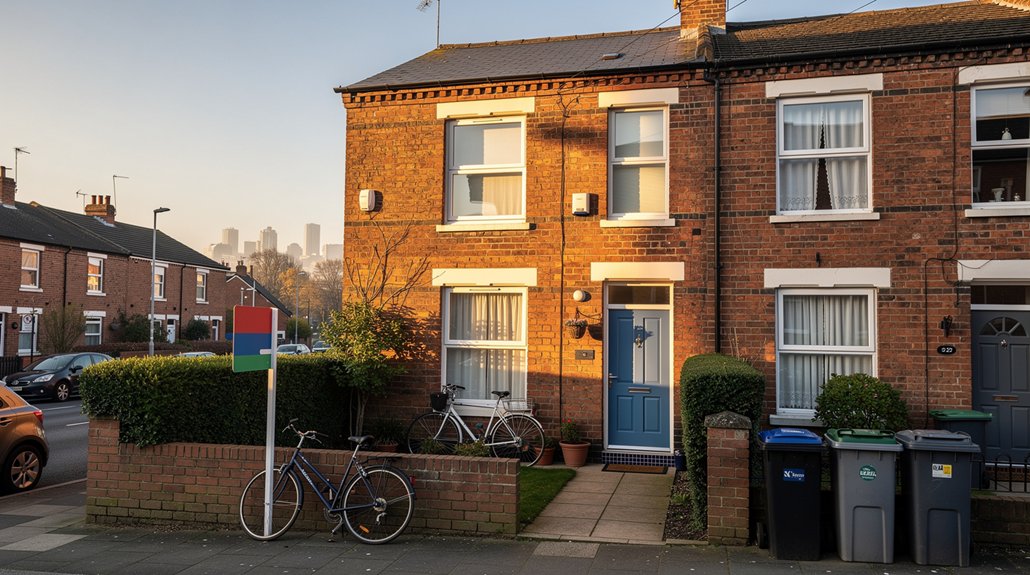
Hull is one of the UK’s most affordable cities for first-time buyers, with typical property prices well below the national average. You’ll generally find stronger purchasing power here, allowing your deposit and mortgage budget to reach further across terraces, apartments, and starter homes.
Local affordability also supports more manageable monthly repayments, although you should assess council tax, insurance, maintenance, and mortgage-rate changes before committing.
You won’t need to sacrifice lifestyle for a lower entry price. Hull offers restaurants, waterfront living, and selected Luxury amenities, while its Cultural attractions, including museums, galleries, and theatres, add everyday value.
Transport links and regeneration can strengthen particular neighbourhoods, but conditions vary by street. Compare sold prices, rental demand, energy performance, and future development plans, then secure an independent survey before exchanging contracts.
How Do Hull Prices Compare With Other Cities?
Compared with cities such as Leeds, York, and Manchester, Hull generally offers considerably lower purchase prices, giving first-time buyers more choice within the same budget. Recent market comparisons show Hull’s average values remain below these regional alternatives, while its price growth has been steadier than the sharper increases recorded in larger employment hubs.
You’ll also find greater variation across neighbourhoods, from compact city-centre flats to family homes in suburban areas, allowing you to compare property types rather than simply stretching your budget.
York commands a premium for tourism and heritage, while Manchester and Leeds reflect stronger commercial demand. Hull’s waterfront regeneration, cultural venues, and historical landmarks support long-term appeal without matching those price pressures.
Even luxury apartments can cost less than similarly specified homes in competing cities, strengthening Hull’s relative value.
What Can First-Time Buyers Afford in Hull?
With average prices lower than in Leeds, York, and Manchester, first-time buyers can often secure a one- or two-bedroom flat or a modest terraced house in Hull without stretching their borrowing to the same extent.
Your budget will still depend on deposit size, income, credit commitments, and mortgage rates. A 5% deposit may widen your options, but higher monthly payments and lender affordability checks matter more than headline prices.
You can typically target entry-level flats, compact terraces, or homes needing cosmetic improvements, while luxury homes remain beyond most first-time-buyer budgets.
Older properties in historic districts may offer character, yet maintenance costs can reduce affordability.
Compare total monthly costs, including council tax, insurance, energy, and service charges, before setting your maximum price.
A mortgage agreement in principle can turn that figure into a realistic search range.
Which Hull Neighbourhoods Offer the Best Value?
For first-time buyers, the best value in Hull is often found in areas such as Bransholme, Orchard Park, East Hull, and parts of Holderness Road, where prices typically sit below the city average. You’ll generally find the lowest entry prices in Bransholme and Orchard Park, although you should compare property condition, transport links, and local demand before deciding.
East Hull can offer stronger connectivity and a broader mix of terraces, making it attractive if you want affordability without sacrificing convenience. Along Holderness Road, homes may command a modest premium near shops and bus routes, but rental demand can support resale prospects.
Don’t overlook central locations: properties near Historic landmarks and Cultural festivals may cost more, yet offer lifestyle appeal and potential long-term demand. Compare sold prices street by street, not just asking prices.
What Are Hull’s Monthly Living Costs?
Purchase price is only part of the affordability calculation: you’ll also need to budget for Hull’s monthly running costs.
For a typical first-time buyer, mortgage payments remain the largest outgoing, but council tax, energy, water, broadband and contents insurance can add several hundred pounds monthly. Your exact total depends on property size, EPC rating and household usage, so compare bills alongside asking prices.
Renters moving to ownership should also allow for service charges, particularly in newer developments or Luxury apartments. These fees may cover communal cleaning, lifts, buildings insurance and maintenance, but they can materially affect affordability.
Day-to-day spending is relatively manageable, with supermarkets, cafés and leisure venues offering varied price points. You’ll find Cultural festivals and free waterfront events can provide low-cost entertainment, helping your discretionary budget stretch further without compromising lifestyle.
Will Hull’s Jobs and Transport Suit You?
Hull can suit first-time buyers who want access to employment without the commuting costs of larger UK cities. The city’s economy spans healthcare, education, logistics, manufacturing, renewables and digital services, giving you a broader employment base than its property prices might suggest.
The Humber Freeport and offshore-energy investment could support further skilled roles, although you should compare vacancies and salaries with your profession before buying.
Transport adds practical value. Hull Paragon Interchange combines rail and bus services, while direct trains reach Leeds in roughly an hour and London in about two and a half hours.
Local cycle routes and compact neighbourhoods can reduce car dependence. Cultural attractions, including museums and theatres, strengthen city-centre demand.
Meanwhile, Luxury apartments increasingly target professionals seeking walkable homes near employers, amenities and transport links.
What Are the Risks of Buying in Hull?
Although Hull offers attractive entry prices, buying there still carries risks you’ll need to assess against your budget and timeframe.
Historical housing trends show comparatively modest price growth, so you shouldn’t assume rapid capital appreciation. That can protect affordability, but it may limit your equity gains if you need to sell soon.
You’ll also need to compare streets carefully. Flood exposure, older housing stock, renovation requirements, and localised demand can affect insurance, maintenance costs, resale values, and mortgageability.
Regional economic shifts may increase rental or sales volatility, even where new investment improves prospects. Cultural attractions can strengthen neighbourhood appeal, but they don’t guarantee consistent buyer demand.
Before committing, check sold-price data, flood maps, surveys, service charges, and planned developments.
Stress-test repayments against rate rises and obtain specialist advice where building condition or lease terms create uncertainty.
Who Is Hull Best Suited To?
Those risks make buyer fit as important as the headline price. Hull suits you if you prioritise affordability, space, and improving connectivity over immediate capital growth.
Lower entry prices can reduce your deposit hurdle, while a diverse housing stock lets you target terraces, new-build flats, or Luxury apartments according to your budget. You’ll likely benefit most if you work locally, commute to Leeds or York occasionally, or expect to stay long enough to absorb transaction costs and market cycles.
Your choice of area matters. Historic neighborhoods may offer character and stronger rental appeal, but they can bring maintenance obligations and conservation restrictions.
Newer waterfront developments may provide amenities and energy efficiency, although service charges deserve careful comparison.
Hull is less suited to buyers seeking rapid appreciation or a deep premium market. Assess your income stability, travel needs, and five-year goals before committing.
Frequently Asked Questions
What Government Schemes Can Help First-Time Buyers Purchase a Home in Hull?
You can use Government grants and affordable schemes, including Lifetime ISAs, First Homes discounts, Shared Ownership, and mortgage guarantees. Check Hull City Council’s eligibility rules, income limits, deposit requirements, and participating lenders before applying.
How Does the Hull Homebuying Process Differ From Renting?
Buying in Hull demands a deposit, mortgage approval, surveys, conveyancing, and Property taxes; renting requires references and upfront rent. You’ll gain equity, but shoulder repairs, while Neighborhood safety and prices shape your decision.
What Legal Fees and Additional Costs Should Hull Buyers Budget For?
Budget for Legal costs of roughly £1,000–£2,000, Survey expenses of £400–£1,000, plus mortgage fees, valuation, searches, Land Registry charges, removal costs, and potential stamp duty. Add a 10% contingency for unexpected expenses.
How Can Buyers Arrange a Mortgage Before Viewing Properties in Hull?
Secure Mortgage pre approval before viewing Hull homes: submit income, deposit, debts, and credit details to lenders or brokers. Compare rates, stress-test repayments, and strengthen Financial planning, so you can bid decisively and realistically.
What Should First-Time Buyers Inspect During a Hull Property Viewing?
During your Property inspection, check damp, cracks, roof condition, windows, plumbing, electrics, heating, insulation, and flood-risk indicators. Investigate Structural concerns, compare comparable sales, estimate repairs, and negotiate using evidence before committing to purchase.
About the Author