Picture yourself finishing work with Swansea Bay on your doorstep and green hills beyond the city. You’ll find a lower cost of living, reliable broadband in many central areas, and cafés and coworking spaces that support flexible routines. However, slower transport links, fewer local high-paying roles, and uneven connectivity outside key districts could affect your decision. The right neighbourhood and a short trial stay may reveal whether Swansea truly fits your workday.
Key Takeaways
- Swansea offers an attractive coastal lifestyle, with beaches, parks, cafés, cultural venues, and walkable neighbourhoods.
- Reliable full-fibre broadband is increasingly available, but verify speeds and service reliability at your specific address.
- Coworking spaces, libraries, and cafés provide flexible alternatives for remote work outside the home.
- Living costs are generally lower than in larger UK cities, although coastal and central properties can be expensive.
- Limited local career opportunities and slower transport links may matter if you occasionally need office-based work elsewhere.
Is Swansea a Good Place for Remote Workers?
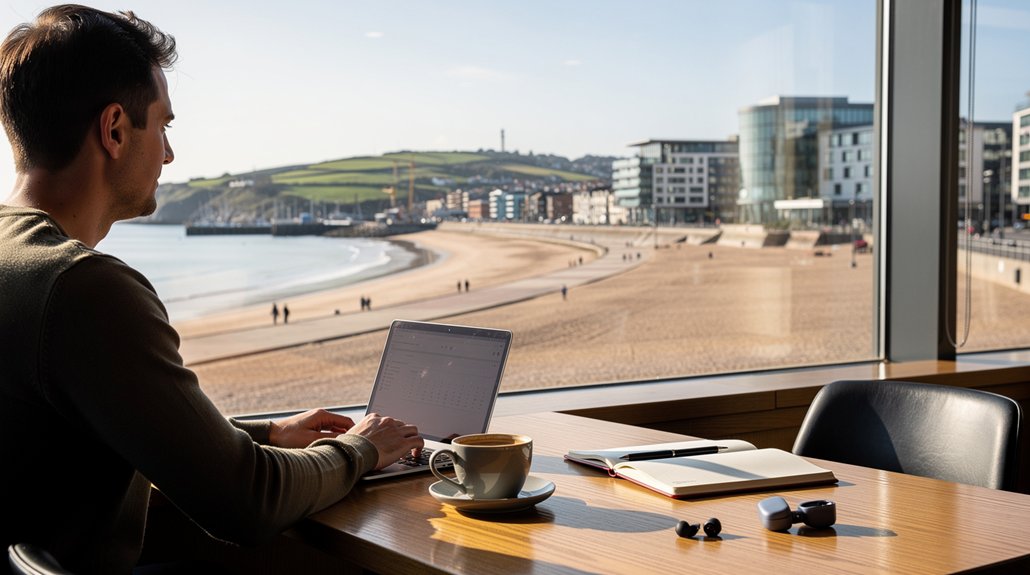
Swansea is a strong choice for remote workers who want coastal living without Welsh capital-city prices. You’ll find a compact city with reliable cafés, coworking options, and neighbourhoods that connect easily to the seafront, university, and city centre. That layout helps you separate work from home without sacrificing convenience.
Your lifestyle can extend beyond the laptop. Explore Gower beaches, walk the promenade, or use nearby parks for regular outdoor activities. Swansea’s local culture adds character through independent venues, Welsh-language events, markets, galleries, and a lively music scene.
You’ll also benefit from a growing professional community, particularly in digital, education, creative, and technology fields.
Check broadband availability at your exact address, test commuting routes, and visit during winter before committing. If you value space, nature, and community over big-city buzz, Swansea deserves serious consideration.
What Does Living in Swansea Cost?
Living in Swansea can offer lower housing costs than larger UK cities, but rent varies sharply between the city centre, marina, and nearby suburbs.
You’ll also need to budget for groceries, transport, utilities, and occasional coworking costs.
Comparing neighbourhoods and tracking daily spending will help you set a realistic remote-working budget.
Housing And Rent
What’ll your biggest monthly expense be as a remote worker in Swansea? Usually, it’s rent. A one-bedroom flat near the city centre or waterfront generally costs more than a similar property in Uplands, Sketty, or Morriston. You’ll often find better space and value farther from the marina, though commuting becomes less relevant if you work remotely.
Before signing, compare furnished and unfurnished listings, check broadband availability, and ask whether bills or parking are included. Neighborhood safety varies by street, so visit after dark and review local crime information.
Wales doesn’t charge council property taxes in the same way as some countries; instead, you’ll pay council tax, typically based on the property’s valuation band. Confirm the band and your eligibility for discounts. A longer lease may help you negotiate rent and protect against frequent increases.
Daily Living Expenses
Beyond rent, you’ll need to budget for groceries, energy, water, internet, transport, and occasional meals out.
The cost of groceries in Swansea can stay manageable if you use larger supermarkets, local markets, and meal planning, though convenience shops around the marina and city centre charge more.
Energy bills vary sharply by property size, insulation, and heating habits, so check what’s included in your tenancy.
Public transportation is relatively practical: buses connect residential areas with the centre, university campuses, and nearby towns, while cycling can reduce daily costs.
If you work remotely, factor in occasional café spending and a reliable broadband package.
Compare providers, track monthly usage, and keep a buffer for winter heating.
Swansea offers a moderate everyday budget, but lifestyle choices will determine your actual total.
How Reliable Is Swansea’s Internet?
Swansea’s internet is generally reliable for remote work, with full-fibre coverage expanding across neighbourhoods and strong broadband competition keeping speeds and prices varied. Your Internet speed will depend on your address, provider, and package, so check availability before signing a tenancy.
Central areas, Uplands, Sketty, and newer developments often offer fast fibre options, while some rural edges and older properties may still rely on slower copper or part-fibre connections.
Network stability is usually strong, but winter storms, local faults, and evening congestion can still cause interruptions. Compare advertised upload speeds, not just downloads, if you regularly send large files or join video meetings.
Ask providers about installation times, service guarantees, and outage compensation. Keep a mobile-data backup or second connection for important deadlines, particularly if your income depends on uninterrupted access.
What Are Swansea’s Best Workspaces?
You’ll find Swansea’s best coworking spaces around the city centre, marina, and waterfront, with reliable facilities and useful networking opportunities.
For a quieter, lower-cost setup, choose cafés with strong Wi-Fi, ample seating, and fewer peak-time crowds.
Flexible offices also give you practical options, from hourly desks to longer-term private suites.
Top Coworking Spaces
Where can remote workers find Swansea’s best workspaces? You’ll find the strongest options around the city centre, waterfront, and SA1, where flexible offices put you near transport links, universities, and growing businesses.
Spaces such as Indycube Swansea and Urban Foundry offer hot desks, private offices, meeting rooms, and reliable business-grade internet, helping you choose a setup that matches your schedule and budget.
Compare coworking memberships carefully: some include 24/7 access, printing, phone booths, and meeting-room credits, while cheaper plans may limit peak-time use.
You’ll also gain more than a desk. Regular Networking events, workshops, and member introductions can connect you with local founders, freelancers, and clients.
Book a day pass before committing, check noise levels and availability, and ask whether your preferred workspace supports your working hours.
Quiet Cafés To Work
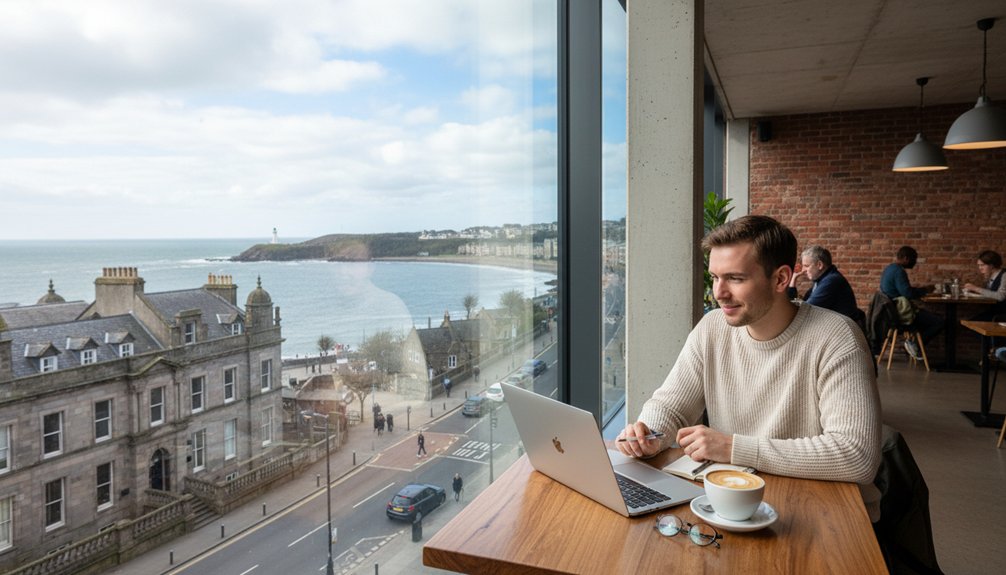
For a quieter café work session, head beyond the busiest city-centre spots and look towards Uplands, the Marina, and Mumbles, where independent cafés often offer calmer tables, natural light, and dependable Wi-Fi. You’ll find that smaller coffee shops suit focused tasks, especially during mid-morning or mid-afternoon lulls. Buy something, keep calls brief, and check the outlet situation before settling in; popular tables can turn over quickly at weekends.
The Marina’s waterfront setting can make a productive change of scene, while Mumbles gives you more relaxed surroundings and nearby lunch options. If you need silence, longer sessions, or reliable desk space, Swansea’s public libraries provide a practical alternative, with fewer expectations to purchase refreshments.
Rotate between cafés and libraries to balance atmosphere, concentration, and cost without disrupting your working rhythm.
Flexible Office Options
If you need more structure than a café but don’t want a long commercial lease, Swansea’s flexible offices offer a practical middle ground. You can choose a hot desk, dedicated workstation, or private room, depending on your workload and budget.
Central locations near Wind Street, the marina, and Swansea University suit commuters, while business parks may offer easier parking and quieter surroundings.
A shared workspace can also help you meet local founders, freelancers, and potential clients. Before booking, compare membership terms, access hours, meeting-room availability, and internet reliability.
Don’t overlook office amenities such as phone booths, ergonomic seating, kitchens, printing, and secure bike storage. Many providers offer trial days, so test the noise levels and atmosphere first.
For regular remote work, calculate the monthly cost against café spending and your need for professional space.
Which Swansea Areas Are Best for Remote Workers?
Swansea’s best areas for remote workers depend on your priorities, but the strongest options combine reliable broadband, cafés or coworking spaces, and easy access to parks or the coast.
Uplands suits you if you want walkable cafés, independent shops, and quick bus links into the city. Its elevated streets also offer Mountain view serenity, while nearby Singleton Park provides space between meetings.
Mumbles works well if you value Beachfront tranquility, coastal walks, and a lively village centre. You’ll find cafés for informal work, though housing typically commands a premium.
The Marina and SA1 appeal if you prefer modern apartments, waterfront paths, and close access to city services.
For better value, consider Sketty, where you can balance green space, local amenities, and straightforward commuting.
Before choosing, test broadband, parking, and your daily workspace routine.
What Are Swansea’s Main Drawbacks?
Although Swansea offers an attractive coastal lifestyle, its drawbacks include limited high-paying jobs, slower transport links, and uneven housing quality. If you rely on local employment, you may find fewer specialist roles than in Cardiff, Bristol, or London, making remote work essential for some careers.
Broadband is generally reliable, but you should check speeds at your exact address, especially in older buildings or outlying villages.
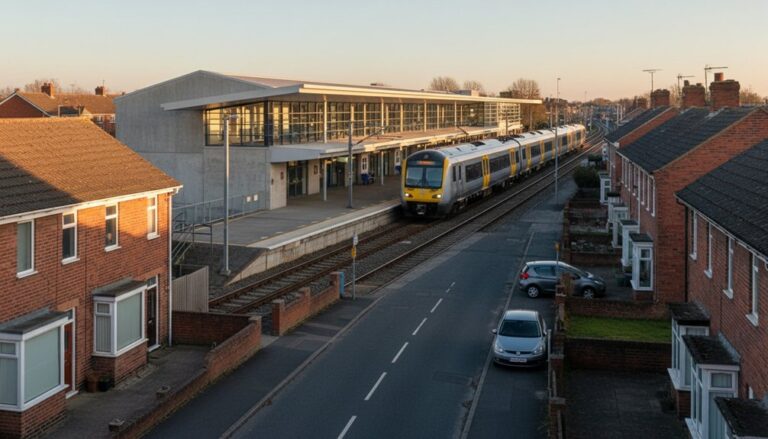
Your transportation options can also feel restricted: trains connect Swansea with major cities, yet services aren’t always frequent, and commuting by car brings congestion on the M4 and city approaches.
Housing varies sharply; attractive coastal flats may cost more, while cheaper properties can need repairs.
Before moving, compare rent, internet performance, parking, and local amenities. A trial stay helps you test daily convenience before committing.
Frequently Asked Questions
How Easy Is It to Meet Other Remote Workers in Swansea?
You’ll find meeting other remote workers fairly straightforward: Community hubs, coworking spaces, cafés, and networking events create friendly openings. Try regular meetups, introduce yourself, and join local online groups; Swansea’s compact community rewards consistency.
Are There Suitable Childcare Options for Remote-Working Parents in Swansea?
You’ll find suitable childcare facilities in Swansea, including nurseries, childminders, and school clubs. Compare Ofsted ratings, availability, hours, and fees early; local parental support groups can help you discover trusted options and flexible arrangements.
What Leisure Activities Can Remote Workers Enjoy After Finishing Work?
You can enjoy Outdoor adventures along Gower’s beaches, coastal paths, and parks, then explore cultural experiences at Swansea’s museums, galleries, theatres, and markets. You’ll find affordable memberships, lively events, and excellent after-work variety year-round.
How Accessible Is Swansea for Workers With Disabilities?
Today’s accessible transportation includes buses, trains, and taxis, while inclusive facilities improve your workday. Check step-free routes, accessible coworking spaces, parking, and support services beforehand; availability varies, so plan visits carefully and confirm accommodations directly.
Are There Networking Events Specifically for Freelancers and Remote Professionals?
Yes, you’ll find freelancer events through Swansea coworking spaces, professional meetups, and local business networks. Check Eventbrite, Meetup, and council listings regularly; attendance varies, so introduce yourself early and follow up strategically.
About the Author