Buying your first home is a balancing act between price, space, and access, and Basildon can tip that balance in your favour. You’ll generally find more affordable flats, terraces, and older homes than in many London commuter areas, supported by rail links, local services, and ongoing regeneration. However, mortgage costs, commuting fares, service charges, and renovation bills can change the numbers quickly. Before deciding whether Basildon fits your budget, you’ll need to compare its neighbourhoods, property types, and true monthly costs.
Key Takeaways
- Basildon offers relatively affordable homes, particularly flats, older terraces, and two-bedroom properties in areas like Laindon, Pitsea, and Fryerns.
- Strong c2c rail links can reach London Fenchurch Street in approximately 35–45 minutes, supporting commuters and nearby employment opportunities.
- Buyers should calculate total costs, including mortgage payments, commuting, conveyancing, surveys, service charges, insurance, repairs, and moving expenses.
- Property value varies significantly by neighbourhood, condition, transport access, lease length, and proximity to schools, shops, parks, and healthcare.
- Basildon can suit first-time buyers seeking space and value, provided they research sold prices, inspect properties, and assess long-term affordability.
Is Basildon Affordable for First-Time Buyers?
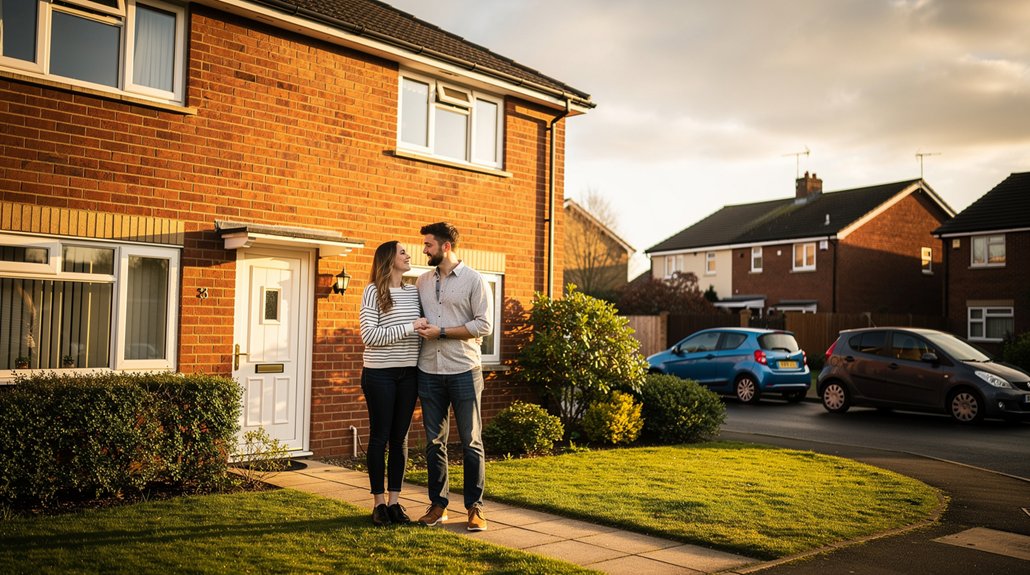
Basildon can be an affordable entry point for first-time buyers, particularly compared with nearby areas of Essex and Greater London, although prices vary considerably by neighbourhood and property type.
You’ll generally find better value in flats and older terraces, while detached homes command a substantial premium. Compare sold prices, not just asking prices, across recent listings to establish a realistic budget.
Check mortgage affordability at higher interest rates, and assess commuting costs alongside the purchase price. Property appreciation may benefit from transport links, regeneration, and local employment, but you shouldn’t treat past growth as guaranteed.
Neighborhood safety also varies, so visit prospective streets at different times and review local crime data.
A lender’s agreement in principle can clarify your price range before you start viewing seriously and making offers.
What Extra Buying Costs Should You Budget For?
Beyond the deposit, budget for conveyancing, searches, a survey, mortgage fees, removals, and potential repairs, which can add several thousand pounds to your purchase.
Conveyancing commonly costs around £1,000–£2,000, while searches and Land Registry charges add several hundred pounds. A mortgage valuation may be free, but a detailed home inspection or structural survey can cost £400–£1,500, depending on the property’s age and condition.
Compare mortgage options carefully: arrangement fees can reach £2,000, and some deals include valuation or legal incentives. Check whether fees are payable upfront or added to your loan, as borrowing them increases total interest.
Set aside money for buildings insurance, essential appliances, and moving-day costs. Keep a contingency fund of at least 1%–2% of the purchase price for unexpected work after completion, protecting your budget from surprises.
Which Basildon Areas Offer the Best Value?
You’ll often find better value in Basildon’s established neighbourhoods, where prices can be lower while transport links and amenities remain practical.
Compare areas such as Pitsea, Laindon and Fryerns using recent sold prices, not just asking prices.
Smaller terraces and well-maintained flats may offer the strongest entry point, but check service charges, lease terms and renovation costs before deciding.
Affordable Basildon Neighbourhoods
Which Basildon neighbourhoods offer the best value for first-time buyers? Laindon often delivers a lower entry price than central Basildon, while its railway links support commuting demand.
Look at Pitsea too: you may find comparatively accessible prices, established amenities, and potential for property appreciation as regeneration improves connections and public spaces.
Vange can suit buyers prioritising affordability, although you should examine each street’s condition, parking provision, and local sales evidence carefully.
North Basildon offers a practical compromise, with schools, shops, and transport within reach, but prices vary sharply between pockets.
Before choosing, compare sold prices—not asking prices—over the past 12 months, then check council plans, crime data, and broadband availability.
Visit at different times, speak to the local community, and calculate commuting costs alongside your mortgage.
Best Value Property Types
For first-time buyers, two-bedroom terraces and compact semis often offer Basildon’s strongest value: they’re typically more affordable than detached homes while providing usable space, gardens, and broader resale appeal. You’ll usually find better price-per-square-metre opportunities in older estates around Laindon, Pitsea, and central Basildon, although condition and transport access can markedly affect value.
Compare sold prices, not just asking prices, and budget for leasehold charges, renovation, and commuting costs. Three-bedroom terraces may justify their premium if you need flexibility for remote work or a growing family, but don’t overpay for extra space you won’t use.
For Property investment, prioritise homes with manageable improvements and reliable tenant demand. Track Market trends, including mortgage rates, buyer competition, and planned regeneration, before deciding whether a seemingly cheap property represents genuine value.
What Property Types Can You Buy in Basildon?
You’ll find Basildon flats and apartments offer a lower entry price, while service charges can affect your total monthly cost.
Terraced and semi-detached homes typically provide more space, but you’ll need a larger deposit and budget for maintenance.
Comparing recent sold prices, mortgage payments and running costs will help you choose the best fit.
Flats and Apartments
If you’re buying your first home in Basildon, flats and apartments can offer a lower-cost entry point than houses, particularly near the town centre, Laindon, and Pitsea. You’ll usually find lower purchase prices, though service charges, ground rent, and lease length can materially affect affordability.
Compare the total monthly cost, not just the mortgage estimate. Newer developments may provide secure entry, parking, lifts, and luxury amenities such as gyms or communal lounges, but these extras often increase annual charges.
Older conversions can offer more space or character near historic landmarks, yet you should check insulation, cladding, building insurance, and planned maintenance.
Before making an offer, review the lease, reserve fund, management accounts, and any major-works notices. A solicitor’s checks can help you avoid expensive surprises and protect resale prospects.
Terraced and Semi-Detached Homes
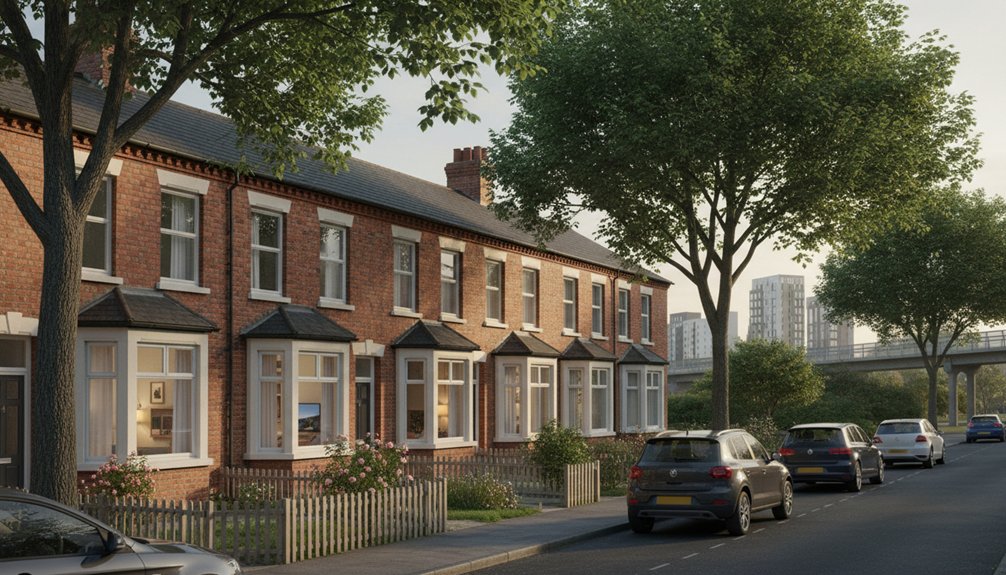
Terraced and semi-detached homes are often the most practical step up from a flat in Basildon, offering more internal space, private gardens, and—typically—no service charge. You’ll usually pay more than for an apartment, but gain bedrooms, storage, and potential to extend, making these homes stronger long-term options.
Terraces can offer the lowest entry price, while semis generally command a premium for wider plots, driveways, and fewer adjoining walls. Compare sold prices, not just asking prices, across districts such as Laindon, Pitsea, and Fryerns.
Check roof condition, insulation, parking, and likely renovation costs before making an offer. Historical architecture varies, so period features shouldn’t outweigh structural surveys.
You’ll also want to research Neighborhood safety, local schools, transport links, and planned developments to protect resale demand.
How Easy Is It to Commute From Basildon to London?
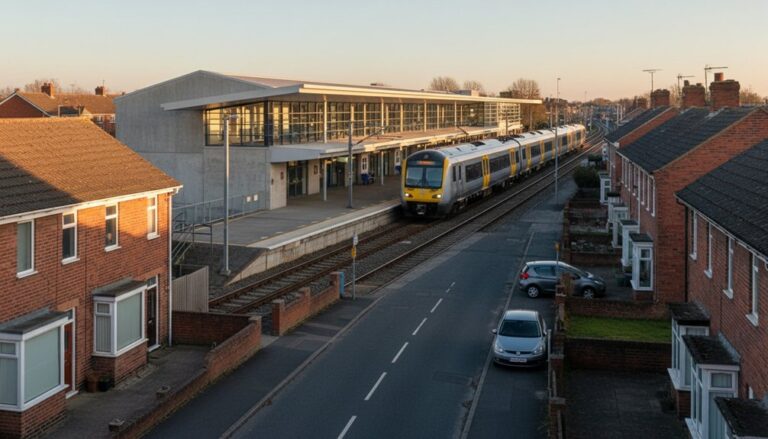
Basildon offers a practical London commute, with direct c2c trains reaching London Fenchurch Street in around 35–45 minutes, depending on the service and destination. That journey puts central employment hubs within realistic reach, particularly if you work near the City or can walk from Fenchurch Street.
You’ll find frequent services during peak periods, although delays, engineering works, and crowding can affect reliability. Check your specific station—Basildon, Laindon, or Pitsea—as journey times and service patterns differ.
Public transportation extends beyond rail: local buses connect residential areas with stations, while driving can help if your workplace lies outside central London. Your commuting options thus suit hybrid workers and full-time office staff, but you should test the route at your actual travel time before committing to a property.
Nearby amenities can also reduce daily travel demands.
How Much Does Commuting From Basildon Cost?
Although fares vary by station, ticket type, and travel time, commuting from Basildon to London typically costs more than the headline house-price savings suggest. Your biggest expense will usually be a season ticket, with annual rail fares potentially reaching several thousand pounds, depending on your destination, discounts, and travel pattern.
Compare a weekly, monthly, or annual ticket against hybrid working before you commit; travelling fewer days can make flexible or daily tickets better value. Add parking, station access, coffee, and occasional taxi costs to your budget.
Transportation options include National Rail, driving, car-sharing, and bus connections, but each involves different time and reliability trade-offs. Check current fare calculators and employer season-ticket loans, then compare total commuting costs with the mortgage saving.
A slightly cheaper home may deliver less value if daily travel erodes your disposable income.
What Are Basildon’s Schools, Shops and Services Like?
When you’re comparing homes, assess Basildon’s schools, shopping and everyday services as part of the property’s true value, not as separate conveniences. Check Ofsted reports, catchment boundaries and admissions policies, because school demand can influence resale appeal and your daily logistics.
Basildon town centre provides mainstream retailers, cafés and essential services, while Eastgate Shopping Centre offers a broader indoor retail mix.
Inspect each neighbourhood’s convenience stores, pharmacies, GP access, dentists and childcare options rather than relying on town-wide averages. You’ll also find local park amenities, including play areas, green space and sports facilities, but quality varies by district.
Review council plans and community event offerings to gauge activity without assuming they guarantee future property growth. Visit at different times, test walking routes and compare service access against the asking price.
Is Basildon Right for Your First Home?
Could Basildon suit your first-home plans? It could, particularly if you want more space and lower entry prices than many London commuter areas. Before committing, compare sold prices, mortgage payments, service charges and travel costs—not just the asking price. Your budget should also cover surveys, conveyancing, moving expenses and a realistic repair fund.
Basildon’s rail links to London can support commuting, while nearby employment and retail centres may reduce travel time. However, journey frequency, peak fares and parking costs deserve careful checking. Visit potential streets at different times to assess noise, traffic and maintenance.
A strong Local community can make ownership feel more rewarding, and Basildon’s cultural scene offers entertainment beyond the home. If affordability, connectivity and practical amenities align with your priorities, Basildon may provide a sensible first step—provided you negotiate carefully and buy for the long term.
Frequently Asked Questions
What Is the Typical Time Required to Complete a Property Purchase in Basildon?
You’ll typically complete a Basildon property purchase in 8–12 weeks after accepting an offer. Mortgage options, valuation delays, searches, and conveyancing affect timing; Property prices and chain complexity can extend completion, so prepare documents early.
Are There Any Regeneration Projects Planned for Basildon?
Yes, Basildon has regeneration plans, including town-centre improvements, housing, local amenities, and transportation links. With thousands of homes proposed across Essex, you’ll want to check council timelines, infrastructure funding, and nearby development phases before buying.
What Is the Process for Making an Offer on a Basildon Property?
To make an offer, review comparable sales, confirm your mortgage agreement in principle, and submit terms through the agent. Use negotiation strategies, consider offer timing, specify conditions, and secure your solicitor before exchange.
How Competitive Is the Basildon Property Market for First-Time Buyers?
You’ll face moderate competition in Basildon: Market trends show strong demand for well-priced starter homes, while Neighborhood amenities, transport links, and proximity to London can attract multiple bidders. Compare sold prices, secure mortgage approval, and act quickly.
What Should You Look for During a Basildon Home Viewing?
You’ll spot polished Home staging, but inspect damp, windows, electrics, and heating closely. Check transport, schools, parking, noise, and Neighborhood amenities; compare sold prices, service charges, and expected maintenance before offering.
About the Author