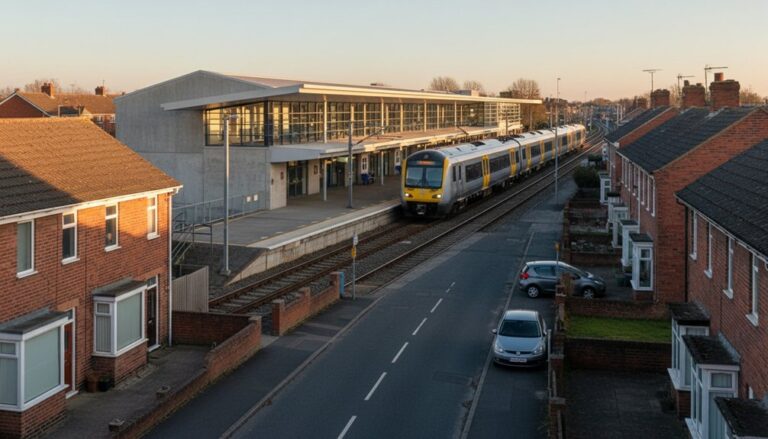
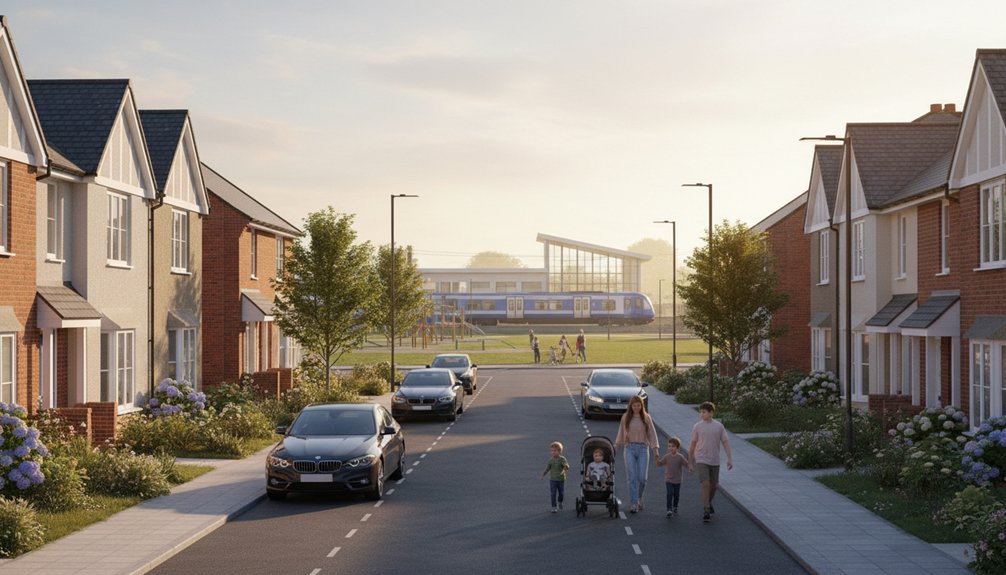
Picture yourself on a Gillingham platform as commuter trains head towards London, while families start their day across Medway. You’ll find reasonably priced homes, useful schools, everyday amenities, and green spaces such as Riverside Country Park. Road and rail links also make travel practical, although nightlife and town-centre culture are limited. The best choice depends on your budget, preferred neighbourhood, and tolerance for commuting—so which areas and connections work best for you?
Key Takeaways
- Gillingham suits commuters, with regular trains to London, Rochester, and Chatham, plus road connections via the A2, A289, and M2.
- Families benefit from comparatively affordable housing, varied property types, local amenities, and access to primary and secondary schools.
- Family-friendly areas include Hempstead, Wigmore, and parts of Rainham, offering quieter streets, green spaces, and community facilities.
- Riverside Country Park provides wildlife, walking routes, and children’s play areas, while wider Medway offers cultural and waterfront attractions.
- Drawbacks include peak-time congestion, occasional transport delays, limited nightlife, and some town-centre areas requiring careful neighborhood research.
Is Gillingham a Good Place to Live?
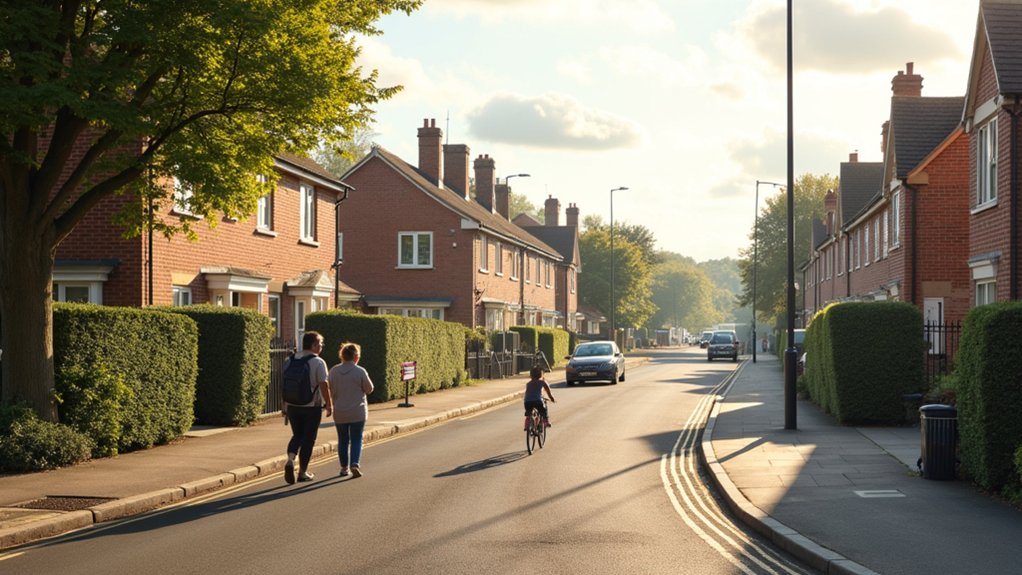
If you’re considering a move, Gillingham is a practical place to live, particularly for families and commuters. You’ll find useful rail connections to London, Chatham, and surrounding towns, while major roads provide straightforward access across Medway and Kent.
Families can choose from primary and secondary schools, parks, sports clubs, and riverside walks, although school quality varies, so check inspection reports and catchment areas before deciding.
You’ll also benefit from supermarkets, healthcare services, and everyday shops without needing to travel far.
Gillingham feels more functional than picturesque, and some neighbourhoods are busier or less polished than others, so visit at different times.
Local cuisine ranges from traditional pubs to international takeaways.
Regular cultural events, theatres, and museums in nearby Medway towns give you plenty to explore.
How Affordable Is Living in Gillingham?
You’ll generally find Gillingham more affordable than nearby parts of Kent, though property prices vary by neighbourhood and proximity to the station.
Your everyday costs, including transport, groceries, and utilities, can still add up, so compare the full monthly budget rather than rent or mortgage payments alone.
Property Prices
How affordable is living in Gillingham? Compared with much of Kent, Gillingham gives you a wider choice of homes at relatively approachable prices. You’ll find Victorian terraces, post-war houses, flats, and newer developments, with values varying considerably between streets.
Properties near the station often command a premium because commuters value faster access to London, while homes farther from transport links may offer more space for your budget.
Check local market trends before making an offer, as prices can differ by property type and condition. Get an independent survey, review lease terms on flats, and allow for renovation costs when comparing listings.
For property investment, rental demand from commuters and local workers can look attractive, but you should research yields, maintenance, and resale prospects carefully.
Gillingham offers opportunity, though affordability depends on your priorities and timing.
Everyday Living Costs
Everyday costs in Gillingham can be manageable, but your budget will depend heavily on rent or mortgage payments, transport, and household size.
Groceries and takeaway prices generally sit below those in central London, though weekly shops can rise around Rainham or Strood if you favour convenience stores.
You’ll pay more for commuting when you travel regularly to London, so compare season tickets, parking, and flexible rail options before choosing a home.
Council tax varies by property band, while energy bills depend on your home’s size and efficiency.
For a useful Cost comparison, check local supermarket prices and travel costs rather than relying on national averages.
Gillingham also offers affordable Lifestyle amenities, including parks, libraries, leisure facilities, and family activities.
Careful planning can leave room for savings and occasional treats.
Which Gillingham Areas Suit Families Best?
You’ll find family-friendly options across Gillingham, but compare each neighbourhood’s atmosphere, housing costs and daily convenience.
Check nearby schools carefully, as catchment areas can affect your choice and budget.
Green spaces such as Riverside Country Park offer room for play, though you’ll want to weigh access against commuting times.
Family-Friendly Neighbourhoods
For family life, Hempstead, Wigmore and parts of Rainham are often among Gillingham’s strongest choices, offering quieter streets, green spaces and access to well-regarded schools. You’ll find a more suburban feel here, with family-sized homes, parking and safer-feeling residential roads.
Hempstead’s shopping area makes everyday errands straightforward, while Wigmore offers a settled community atmosphere and useful local services. In Rainham, compare newer developments carefully: layouts, parking and traffic can vary considerably.
For a livelier setting, consider residential pockets near Gillingham town centre, where you’ll have shorter trips to shops, cafés and transport, though roads may feel busier.
Look for Community events, parent groups and local cuisine to judge how well each area matches your routine. Visit at different times, and check noise, parking pressure and your likely commute before choosing.
Schools And Green Spaces
Beyond home size and traffic, schools and access to green space can shape your family’s daily routine in Gillingham. If you’re comparing areas, check each school’s latest Ofsted report, admissions distance, and realistic walking route rather than relying on postcode reputation.
Rainham and Wigmore appeal to families seeking quieter streets, nearby primary schools, and open space. Meanwhile, parts of Hempstead offer parks and modern housing but can feel car-dependent.
Around Gillingham town, you’ll find more amenities and transport links, though traffic and fewer doorstep fields may matter.
Riverside Country Park provides excellent walks, wildlife, and room for children to run, but it isn’t equally convenient from every neighbourhood.
Visit at school-run times, attend Community events, and sample local cuisine to judge the atmosphere before you commit.
What Are Gillingham’s Schools and Amenities Like?
Gillingham offers a practical mix of schools and everyday amenities, making family life convenient without sacrificing access to larger towns. You’ll find primary schools across the area, while nearby secondary options give families reasonable choice, although you should check catchment boundaries and Ofsted reports before moving.
Local shopping covers daily needs, with supermarkets, independent businesses and the town centre providing useful variety. Healthcare facilities include local GP surgeries, pharmacies and nearby medical services, but registration availability can vary, so check before you arrive.
You’ll also have access to libraries, leisure centres, cafés and community activities, helping children and adults stay active. Some neighbourhoods feel better served than others, and central areas can become busy.
How Easy Is It to Commute From Gillingham?
If you work locally or need to reach nearby towns, Gillingham offers straightforward commuting by road and rail.
Gillingham railway station provides regular Southeastern services towards Rochester, Chatham, and London, making it useful if you’re travelling to the capital for work. Journey times vary, but you’ll find direct trains and frequent departures during peak periods.
By car, the A289 and A2 connect you with Medway, Canterbury, and routes towards the M2, although you should allow extra time at busy hours.
Public transport also includes local buses serving residential areas, shops, schools, and neighbouring towns. Check timetables before choosing your home, particularly if you rely on early or late services.
What Are the Downsides of Living in Gillingham?
Commuting is generally practical, but living in Gillingham also involves a few compromises. You may encounter public transport challenges, particularly when delays affect trains or buses, so allow extra time for important journeys.
Road congestion can also build around key routes during peak hours, making short trips unexpectedly slow.
For leisure, Gillingham has limited nightlife. You’ll find pubs, casual restaurants, and local entertainment, but you may need to travel to Rochester, Chatham, or further afield for a broader choice of bars, live music, and late-night venues.
Some town-centre areas feel tired, and the appearance varies considerably between neighbourhoods.
You should also check parking arrangements carefully, especially near busy shopping streets and stations.
Who Should Consider Living in Gillingham?
Whether you’re raising children, commuting into London or working locally, Gillingham could suit your lifestyle if you value practical transport links and relatively good value for Kent. Families can find useful schools, parks, sports clubs and larger homes than you might afford closer to London. Check each neighbourhood carefully, though, as traffic, property condition and school catchments vary.
You should also consider Gillingham if you work in Medway, Chatham or nearby industrial and healthcare centres. Train services make London commuting possible, but you’ll need to budget for fares, delays and station parking.
Retirees and first-time buyers may appreciate the amenities, while students and culture-lovers could find the town’s offer limited. You’ll still enjoy local cuisine, waterfront walks and cultural events across Medway, especially if you’re happy to travel beyond the town centre.
Frequently Asked Questions
What Healthcare Facilities and GP Services Are Available in Gillingham?
Gillingham offers Medway Maritime Hospital, your main local hospital, plus several GP clinics, including Balmoral Gardens and Woodlands. You’ll find pharmacies, dentists, and urgent-care services nearby; register early, as appointments can fill quickly, by candlelight.
How Safe Is Gillingham, and What Are Local Crime Rates Like?
Gillingham’s safety varies by neighbourhood: you’ll find typical urban crime, especially theft and antisocial behaviour, while residential areas feel calmer. Check police.uk locally; compare School quality and Housing affordability before choosing your street.
Are There Plenty of Parks, Green Spaces, and Outdoor Activities in Gillingham?
You’ll find several parks and green spaces in Gillingham, including Riverside Country Park’s 100-plus acres. Enjoy walking, cycling, and playgrounds; for rainy days, choose Indoor activities or nearby Shopping centers, though larger countryside escapes require driving.
What Is Gillingham’s Community Atmosphere and Social Scene Like?
You’ll find Gillingham’s community atmosphere friendly and varied, with local community events, social clubs, sports groups, and cultural activities. You’ll meet people easily, though some areas feel quieter, so check neighbourhood noticeboards for regular gatherings.
How Reliable Are Broadband and Mobile Services Across Gillingham?
You’ll generally find internet connectivity dependable, with fibre widely available, though some streets still experience slower speeds. Mobile coverage is mostly solid, but check your postcode; older buildings and railway cuttings can create occasional signal shadows.
About the Author