
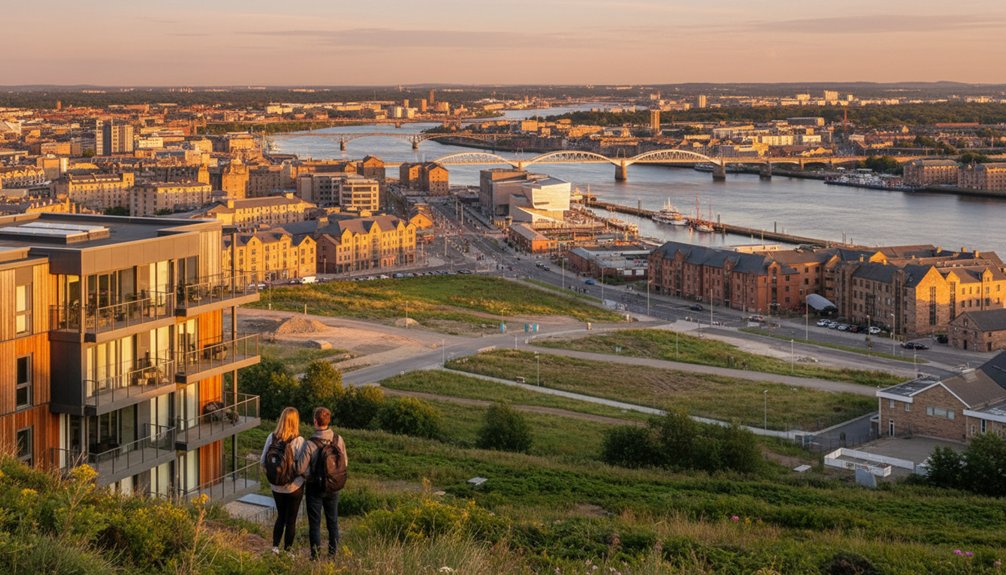
Dundee’s changeable weather shouldn’t rule it out if you’re seeking an affordable, walkable city with strong community ties. You’ll find jobs across healthcare, education, technology, and creative industries, while universities, outdoor spaces, and cultural venues add practical appeal. Housing often costs less than in Scotland’s larger cities, though some neighbourhoods suit certain lifestyles better than others. Before you decide, you’ll need to weigh Dundee’s career prospects, local areas, and quieter nightlife against your priorities.
Key Takeaways
- Dundee offers affordable living, a compact city centre, cultural attractions, universities, and a lively waterfront community.
- Housing and everyday costs are generally lower than in larger Scottish cities, though prices vary significantly by neighbourhood.
- Strong opportunities exist in healthcare, education, tourism, digital technology, life sciences, finance, and renewable energy.
- Reliable buses, walkable districts, cycling routes, and nearby outdoor spaces make daily life convenient without always needing a car.
- Consider weather, heating costs, employment prospects, neighbourhood character, and your preference for nightlife before moving.
What Makes Dundee a Good Place to Live?

Dundee offers a practical mix of affordability, culture, and convenience, making it an appealing choice for a fresh start. You’ll find a compact city centre where museums, shops, restaurants, and waterfront attractions sit within easy reach.
The V&A Dundee gives the city a strong creative identity, while universities bring energy, research, and a steady flow of new ideas. Cultural festivals, live music, and independent venues mean you won’t need to travel far for entertainment.
You can also enjoy outdoor activities without leaving the area: walk along the River Tay, explore Camperdown Country Park, or cycle nearby trails.
Good transport links connect you with Edinburgh, Glasgow, and surrounding Angus towns. Before choosing a neighbourhood, visit at different times and check commuting routes, noise levels, and local amenities.
How Much Does Living in Dundee Cost?
You’ll find Dundee’s housing costs generally more manageable than those in Scotland’s larger cities, though prices vary by neighbourhood and property type.
Budget for monthly essentials such as food, transport, utilities, and council tax, not just rent or mortgage payments.
Comparing local areas and checking typical bills will help you plan a realistic budget before moving.
Housing Costs
Wondering how far your budget will stretch? Dundee’s housing costs remain relatively approachable by Scottish city standards, though prices vary sharply by area and property type.
You’ll generally pay less for a traditional flat than for a modern riverside apartment, while family homes command more in established suburbs.
For Affordable neighborhoods, look beyond the city centre to areas such as Stobswell, Hilltown, and parts of Charleston, where you may find better value and convenient transport.
Broughty Ferry attracts buyers seeking coastal character, but its popularity can push prices higher.
Watch real estate trends before committing: university demand supports rental interest, while limited stock can create competition for well-presented homes.
Compare recent sold prices, inspect factoring charges, and budget for repairs.
A local solicitor or agent can help you negotiate confidently and spot hidden costs.
Monthly Living Expenses
A realistic monthly budget in Dundee depends on your housing choice, but a single person can often manage on roughly £1,500–£2,000 after rent, including council tax, utilities, groceries, transport, and basic leisure.
To keep spending controlled, set aside around £250–£350 for food, depending on how often you cook. Supermarkets offer good value, while local markets can help you buy fresh produce economically.
Budget £100–£200 for socialising, including cafés, local cuisine, cinema trips, and occasional nights out.
Cultural activities, such as museum visits, galleries, and live performances, range from free to moderately priced, so look for seasonal discounts.
Keep an emergency margin of at least £150 monthly for healthcare, household replacements, and unexpected fees.
Track your first three months carefully; Dundee’s affordability becomes clearer once your actual habits replace estimates.
Transport and Utilities
Transport and utility costs in Dundee are usually manageable, but your neighbourhood and daily routine will shape the final figure.
Public transportation covers most city journeys, with regular buses connecting residential areas, the universities, Ninewells, and the city centre. A monthly pass can offer better value if you commute daily, while cycling or walking may cut costs further.
If you drive, budget for fuel, insurance, parking, and occasional repairs; central parking can quickly affect your monthly spending.
For energy, broadband, and water, compare utility providers before signing a tenancy, and check whether bills are included.
Older tenements may cost more to heat, particularly during winter, so ask about insulation and recent energy bills.
When viewing homes, confirm council tax bands, broadband availability, and meter arrangements to avoid surprises after moving in.
What Jobs Are Available in Dundee?
Which jobs suit you in Dundee depends on your experience, but the city offers opportunities across healthcare, education, tourism, retail, digital technology, finance, and renewable energy.
You’ll find major employers linked to the University of Dundee, NHS Tayside, Dundee City Council, and the growing life-sciences sector.
If you have digital skills, look beyond traditional software roles: gaming, data, cybersecurity, and creative technology companies also recruit locally.
Hospitality and retail provide accessible entry points, while engineering and energy businesses seek qualified technicians.
Research the local job market before applying, comparing salaries, commuting expectations, and contract terms.
Dundee’s universities, colleges, and professional networks can support retraining and career growth opportunities.
Tailor your CV to each employer, build relevant contacts, and check vacancies regularly, as smaller firms often advertise directly.
Which Dundee Areas Suit Different Lifestyles?
Once you’ve identified suitable work, choosing the right Dundee neighbourhood can make daily life easier and more affordable. City-centre living suits you if you value walkable commutes, cafés, restaurants, galleries, and strong local amenities. Expect higher rents and less space, but transport links are excellent.
If you want character and a lively atmosphere, explore the West End. Its independent businesses, parks, and cultural diversity attract professionals seeking convenience without staying right in the centre.
Broughty Ferry offers a coastal setting, attractive streets, and a village feel, though commuting costs and property prices can rise.
For quieter surroundings and better value, consider areas such as Fintry or Douglas.
Before signing, compare council tax, parking, bus routes, and broadband. Visit at different times to judge noise, traffic, and how well each area matches your routine.
Is Dundee Good for Students and Families?
Dundee works well for both students and families, provided you choose an area that matches your budget and daily routine. Students benefit from the University of Dundee, Abertay University, reliable bus links, and a lively city centre.
You’ll find cafés, libraries, shared houses, and purpose-built student accommodation close to campus, though comparing rents and bills remains essential.
Families can look towards Broughty Ferry, West End, or quieter parts of the city for larger homes, schools, parks, and practical local shops.
Dundee’s Cultural attractions, including V&A Dundee, museums, and theatres, give you plenty to explore year-round.
Outdoor activities are equally accessible, from riverside walks to nearby beaches and country parks.
Check school catchments, commute times, parking, and childcare availability before committing to a property, as these factors can reshape your monthly budget.
What Are the Downsides of Moving to Dundee?
Before you move, consider Dundee’s limited job market, particularly outside education, healthcare, and technology.
You’ll also need to prepare for unpredictable Scottish weather, with rain and wind affecting commutes and daily plans.
Check local vacancies and housing locations carefully so you can budget and plan realistically.
Limited Job Opportunities
Where will your next job come from if you’re moving to Dundee? The city has promising sectors, including digital technology, healthcare, education, tourism, and creative industries, but the market remains smaller than Glasgow or Edinburgh.
You may find fewer vacancies at your experience level, especially in specialised management, finance, or corporate roles. That can slow career growth and make changing employers more difficult.
Before relocating, search local job boards, check major employers, and compare salaries with living costs. Don’t assume remote work will solve everything; some employers still expect regular office attendance.
Build networking opportunities through Dundee and Angus Chamber events, university groups, professional meetups, and industry organisations. If your field is niche, consider commuting, hybrid roles, or nearby Perth and Fife.
A targeted search will give you a realistic start.
Unpredictable Scottish Weather
Even with a solid job plan, Scotland’s changeable weather can affect daily life in Dundee. You’ll experience climate unpredictability rather than dependable seasonal patterns: bright mornings can become wet, windy afternoons, while winter brings short days, frost, and occasional snow.
This weather variability can complicate commuting, school runs, weekend plans, and household budgets. Coastal winds may feel sharper than you expect, particularly near the Tay, and damp conditions can make poorly insulated homes expensive to heat.
Before moving, check a property’s energy rating, heating system, windows, and signs of condensation. Budget for waterproof shoes, layered clothing, and higher winter energy bills.
You won’t need to avoid Dundee, but you should plan flexibly, protect outdoor furniture, and choose transport options that remain practical when rain disrupts roads or paths.
Is Moving to Dundee Right for You?
If you’re considering a fresh start, Dundee could suit you if you value manageable living costs, a compact city layout, and easy access to Scotland’s east coast. You’ll find a lively waterfront, respected universities, and a growing creative economy, while commuting across town usually stays straightforward.
Compare neighbourhoods carefully: city-centre flats offer convenience, whereas Broughty Ferry and the west end provide a quieter feel but may cost more. Dundee’s cultural diversity, independent food scene, and year-round events can help you settle quickly.
You’ll also have plenty of outdoor activities nearby, from riverside walks to Angus glens and coastal beaches. However, check local employment options, school catchments, parking, and winter heating costs before committing.
If you want big-city nightlife or abundant high-salary roles, another Scottish city might fit you better.
Frequently Asked Questions
How Reliable Is Public Transport in Dundee?
You’ll find Dundee’s public transport fairly reliable: buses cover most neighbourhoods, while trains connect major cities. Urban connectivity is strong, though Transit punctuality can slip during peak traffic. Check live updates before commuting, especially in winter.
What Healthcare Services and Hospitals Are Available in Dundee?
You’ll find extensive healthcare options, including GP practices, dentists, pharmacies, and NHS specialists. Ninewells Hospital provides major services; hospital quality is strong overall, though waiting times can vary, so register locally and check referral routes.
How Easy Is It to Make Friends After Moving to Dundee?
You’ll find friends by joining clubs, attending events, and volunteering. Dundee’s compact size supports social integration, while community engagement through sports, arts, universities, and neighbourhood groups helps you build genuine connections quickly.
What Cultural Events and Festivals Take Place in Dundee?
You’ll find Dundee’s cultural calendar packed with local art exhibitions, Dundee Design Festival, literary events, live music, and food festivals. Check venues like V&A Dundee and Caird Hall early; popular tickets can sell quickly.
How Does Dundee’s Weather Compare With Other Scottish Cities?
Dundee’s weather can feel like Scotland’s gentlest gamble: generally drier and sunnier than Glasgow, milder than Aberdeen, yet windier than Edinburgh. You’ll notice climate variability, while seasonal changes remain manageable for practical planning.
About the Author